- Oak Brook:(630) 705-9999
- Chicago:(312) 920-8822
- Email:inquiry@vervecollege.edu
- Make a Payment
 Sign up
 Login
Login
- Home
- Programs
- Admission
- Resources
- ATI Entrance Exam Resources
- New E-Digital Library
- Refer a Friend
- School Newsletter
- Events
- Employers
- Job-Network
- Alpha Beta Kappa Candidates
- Verve College Library
- Graduation and Pinning Ceremony Photo Galleries
- Textbook Information
- Career Services
- Tutoring
- School Catalog
- FAQ
- Constitution Day Program
- Alumni
- Verve College Plans
- Financial Aid
- HEERF Reporting
- Satisfactory Academic Progress
- Apply For Financial Aid
- Net Price Calculator
- Return of Title IV Funds (R2T4)
- Financial Aid Office Code of Conduct
- Contact
- FAQs
- Verification Policy
- Vaccination Policy
- Student Right-to-Know Act
- Misrepresentation
- Information Security Program
- Academic Award Year
- Availability of Employee
- Cost of Attendance
- Health & Safety Exemption Requirement
- Students Rights and Responsibilities
- Leave of Absence
- Pell Formula
- Military Students
- Grants/ Scholarship Policy
- Contact Us
- Testimonials
- Blog
Is a Nursing Career Right For You?
Take The Free Quiz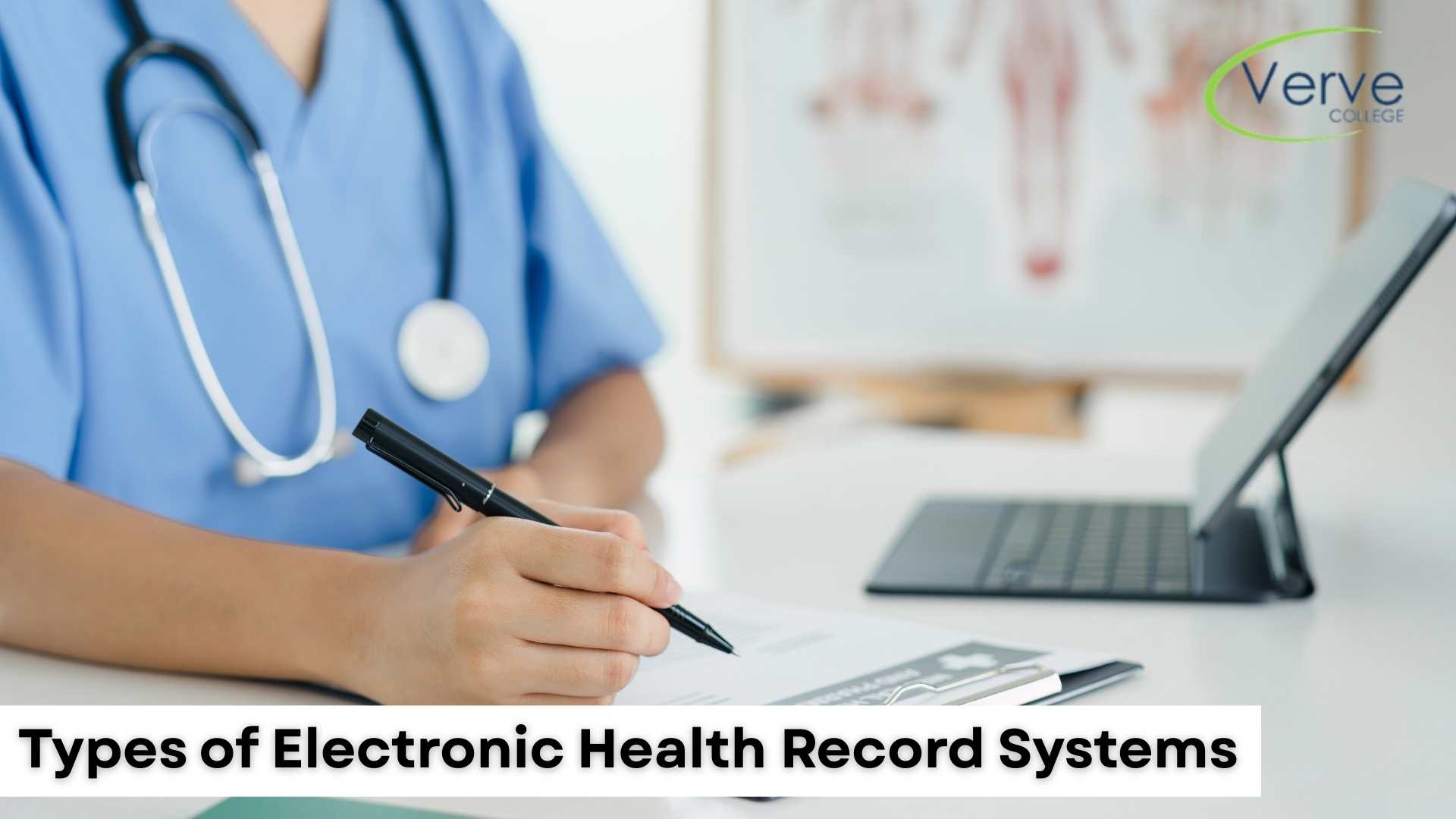
6 Most Common Types of EHR Systems in 2025
6 Most Common Types of EHR Systems in 2025
Types of electronic health record systems are changing fast, and in 2025 they are more important than ever. A recent report shows that more than 9 out of 10 hospitals in the United States now use an EHR, and the number keeps growing each year. These systems help doctors, nurses, and patients by keeping medical records in one safe place. New updates like artificial intelligence, mobile access, and telehealth connections are making them even more useful.
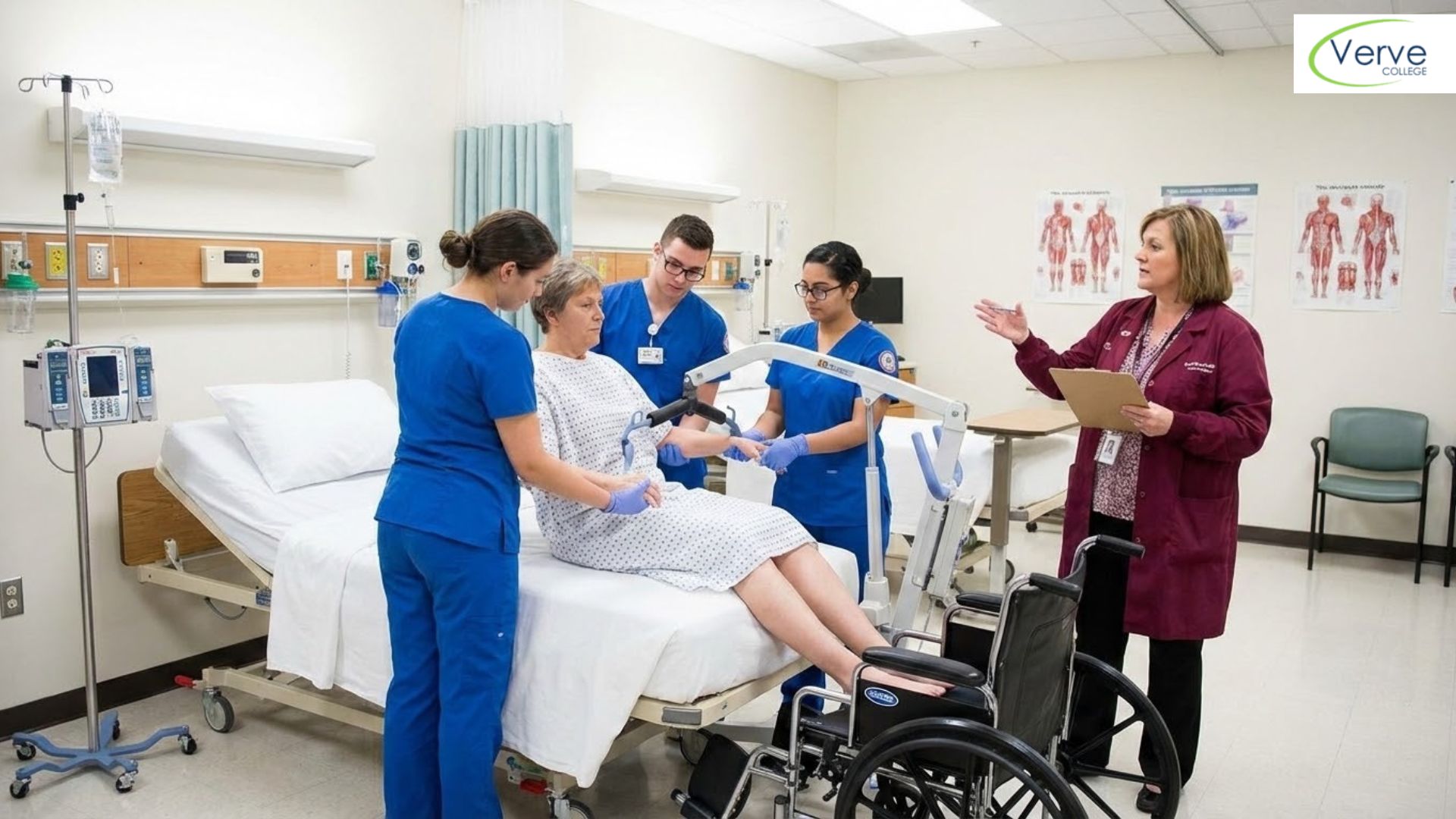
At our nursing school, we prepare students for this future with hands-on training that connects classroom learning with real patient care, just like our licensed practical nurse programs in Chicago.
6 Top Electronic Health Record Systems in 2025
Choosing the right system is key for safe and efficient patient care. Electronic health records importance lies in how they improve safety, accuracy, and communication across healthcare. Below are the top electronic health record systems used in 2025. Each type has unique strengths and challenges that healthcare providers should know.
- Physician-Hosted EHR Systems
These store data on local servers within a clinic or hospital. They give providers full control and customization. However, they require high costs for setup and maintenance. - Remotely-Hosted EHR Systems
In this model, data is stored on an external server managed by a vendor. It lowers the IT workload for staff. The drawback is dependence on internet speed and vendor reliability. - Cloud-Based EHR Systems
This type is the most popular in 2025. Anyone with a web link can get to records from anywhere. Although it is scalable and reasonably priced, data security issues could arise. - Specialty-Specific EHR Systems
These are designed for particular specialties, such as oncology, dentistry, or pediatrics.They include tailored features to meet specialty needs. This reduces errors and improves efficiency for providers. - Integrated EHR with Practice Management
This combines medical records with tools for billing, scheduling, and reporting. It streamlines workflows in hospitals and large clinics. The system improves patient care coordination across departments. - Open-Source EHR Systems
Open-source platforms allow customization by healthcare IT teams. They cost less in licensing and offer flexibility. Still, they require strong technical support to manage effectively.
Conclusion
The healthcare field continues to evolve, and choosing from the many types of electronic health record systems is an important step for any provider. Each option, from physician-hosted to cloud-based platforms, has unique benefits and challenges. Understanding these systems helps improve patient care, reduce errors, and make everyday tasks easier for healthcare teams. By learning how top electronic health record systems work, future nurses and healthcare professionals can feel more prepared to succeed in their careers.
Want to Make a Career in Nursing? Get More Information About Our Courses!
At Verve College, we focus on preparing students with both clinical skills and the technical knowledge needed in today’s healthcare settings. Our programs include training that connects classroom learning with practical tools used in real workplaces.
If you are ready to gain the confidence and skills to thrive in nursing, explore our Night and Weekend LPN Programs and start building a strong future with Verve College.
Most Popular Blogs Posts

Vital Signs Monitoring: A Complete Student…
March 26, 2026 Read More
Soft Skills That Make You a…
March 25, 2026 Read More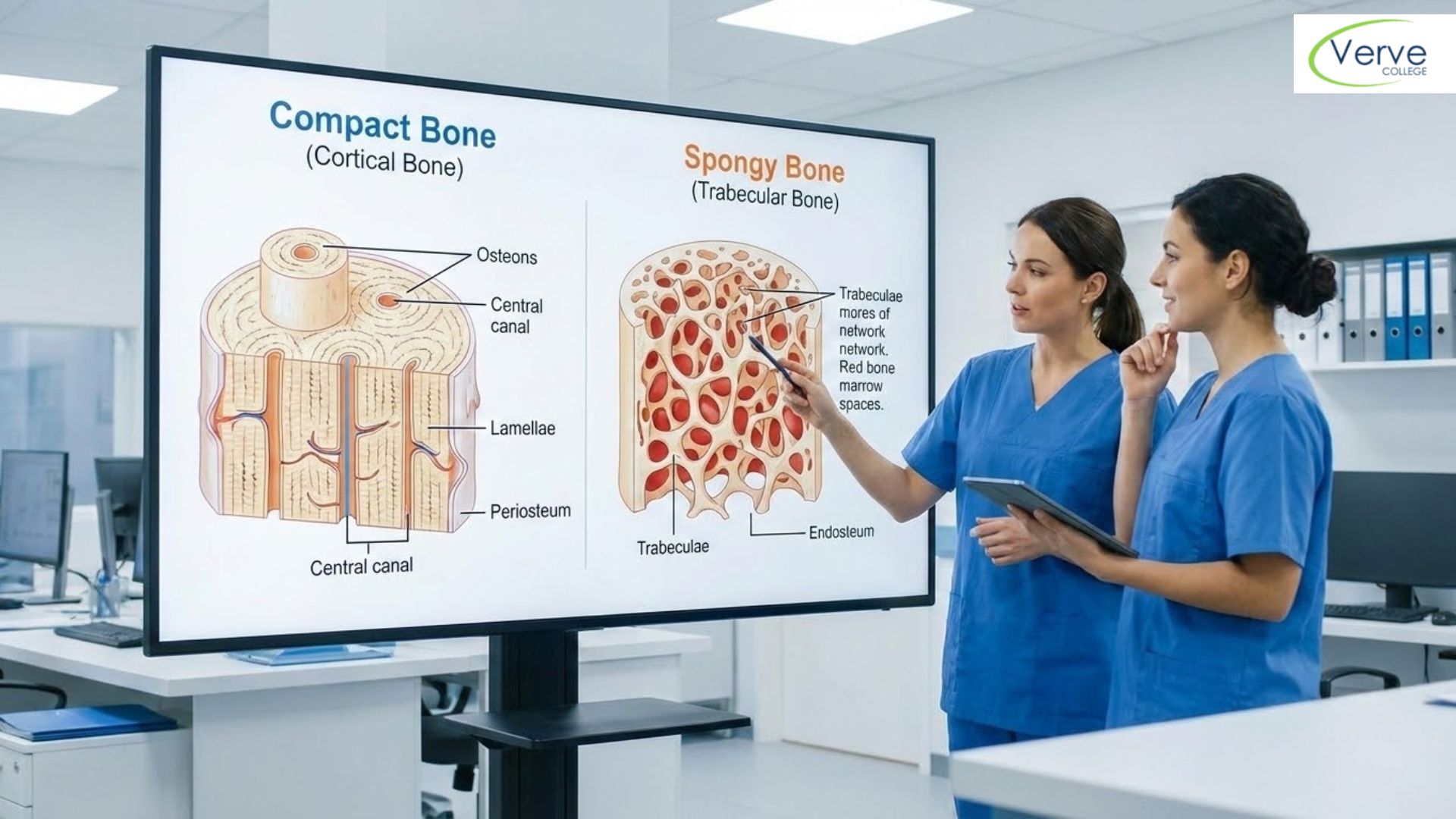
Compact Bone vs Spongy Bone: Key…
March 24, 2026 Read More
Can You Work While Studying LPN?…
March 24, 2026 Read More