-
Oak Brook
📍📞 630-705-99992625 Butterfield Rd. Suite 102E
Oak Brook, IL 60523📠 Fax: 630-705-1422✉️ inquiry@vervecollege.edu 🗺️ Open in Google Maps 🍎 Open in Apple Maps🕒Office HoursMon–Fri: 9:30 AM – 6:00 PM
Sat: 8:00 AM – 12:00 PM
Sun: Closed -
Chicago
📍📞 312-920-8822216 W. Jackson Blvd. Suite 900
Chicago, IL 60606📠 Fax: 630-705-1422✉️ inquiry@vervecollege.edu 🗺️ Open in Google Maps 🍎 Open in Apple Maps🕒Office HoursMon–Fri: 9:30 AM – 6:00 PM
Sat: 8:00 AM – 12:00 PM
Sun: Closed - Email:inquiry@vervecollege.edu
- Make a Payment
 Sign up
 Login
Login
- Home
- Programs
- Admission
- Resources
- ATI Entrance Exam Resources
- New E-Digital Library
- Refer a Friend
- School Newsletter
- Events
- Employers
- Job-Network
- Alpha Beta Kappa Candidates
- Verve College Library
- Graduation and Pinning Ceremony Photo Galleries
- Textbook Information
- Career Services
- Tutoring
- School Catalog
- FAQ
- Constitution Day Program
- Alumni
- Verve College Plans
- Financial Aid
- HEERF Reporting
- Satisfactory Academic Progress
- Apply For Financial Aid
- Net Price Calculator
- Return of Title IV Funds (R2T4)
- Financial Aid Office Code of Conduct
- Contact
- FAQs
- Verification Policy
- Vaccination Policy
- Student Right-to-Know Act
- Misrepresentation
- Information Security Program
- Academic Award Year
- Availability of Employee
- Cost of Attendance
- Health & Safety Exemption Requirement
- Students Rights and Responsibilities
- Leave of Absence
- Pell Formula
- Military Students
- Grants/ Scholarship Policy
- Contact Us
- Testimonials
- Blog
Is a Nursing Career Right For You?
Take The Free QuizWhy Observation Skills Matter in Nursing
Why Observation Skills Matter in Nursing
When you walk into a patient’s room during a clinical shift, your evaluation begins the exact second you make eye contact. Many beginners assume that tracking a patient’s health status relies entirely on pushing buttons on digital medical screens or waiting for lab printouts. In reality, a nurse’s own senses are the most valuable diagnostic tools inside a modern hospital or clinic floor. Developing sharp observation skills in nursing allows you to spot minor physical variations before they escalate into major medical emergencies. Enrolling in accredited practical nursing programs provides you with the structured training required to turn routine into professional observation.
Key Takeaways
- The Initial Scan: Learn how an experienced healthcare provider uses sight, sound, and touch to evaluate a patient instantly.
- Catching Hidden Cues: Discover why monitoring subtle directional trends in breathing or skin tone safeguards lives.
- The Structural Blueprint: See how mastering core anatomical properties helps you distinguish normal from abnormal biological statuses.
- Practical Training Loops: Find out how mock clinical drills and instructor mentoring turn classroom ideas into reliable bedside habits.
What Is Clinical Observation in Healthcare?
Clinical observation is the active, deliberate process of gathering objective information about a patient’s physical, mental, and emotional status during every interaction. Instead of just passing by a bedside, you are actively analyzing how a person speaks, moves, and rests.
This systematic tracking is a foundational component of nursing clinical observation, which directly shapes how you prioritize care tasks throughout a busy shift. Mastering this continuous assessment loop ensures you catch changing patient data quickly and accurately.
Why Sensory Cues Protect Patients From Preventable Harm
When a sick patient’s condition begins to decline, the human body almost always sends out quiet physical warning signals hours before a major crisis occurs. A patient might start using their neck muscles to draw extra breath, look unusually pale around their lips, or act mildly restless during a simple conversation.
Nurses use their sharp patient assessment skills to notice these quiet, directional trend changes early. Tracing these micro-developments gives the medical team a massive advantage, allowing them to adjust medications or order diagnostic imaging before an organ system fails.
To build this level of professional awareness, you must first understand how a healthy body operates at a cellular and structural level. Attending high-quality anatomy and physiology classes gives you the precise biological roadmaps required to identify when an internal pathway is beginning to struggle.
The Daily Physical Indicators Nurses Monitor
Practicing professional observation during a busy healthcare shift means you are constantly scanning multiple clinical areas at the exact same time:
- Breathing Depth and Pace: Watching for shallow chest rises, rapid respiratory patterns, or audible wheezing during rest.
- Skin Texture and Color: Noting if a patient’s limbs feel cool and clammy or if their skin tone appears unusually gray or flushed.
- Mobility and Balance: Observing how smoothly an individual sits up, stands, or grips objects during routine morning adjustments.
- Behavioral and Mental Changes: Catching sudden drowsiness, temporary forgetfulness, or unusual agitation during a standard checklist review.
Transforming Lab Simulation Drills into Bedside Success
Many adult learners and career changers feel nervous about missing vital patient clues during their first official hospital rotations. Modern medical education addresses this common concern by utilizing interactive simulation labs on campus.
Inside a controlled training lab, you practice assessing realistic patient mannequins that mimic real-world clinical declines. Instructors guide you through changing scenarios, helping you practice what to look for, how to document findings, and how to communicate updates clearly to a doctor. This supportive practice turns classroom theories into natural bedside instincts without any risk to a live person.
Choosing a Direct Educational Path
If you are a working adult ready to transition into a stable healthcare career, finding a school that values practical training and direct mentorship is essential. Exploring accredited licensed practical nurse programs can provide the exact combination of intimate class sizes, targeted tutoring, and job placement assistance you need to thrive.
Verve College focuses strictly on essential medical frameworks and clinical readiness, allowing you to complete your certificate efficiently in 12 to 14 months. Our supportive instructors help you master foundational science concepts and practical monitoring techniques step by step. We cut out unrelated general electives to save you valuable time, keeping your energy entirely centered on passing your NCLEX-PN exam and entering the workforce with total confidence.
Misconceptions About Bedside Assessment
A very common mistake that introductory nursing students make is assuming that excellent observation skills are an automatic, natural instinct that only comes after working twenty years on a hospital floor. In reality, clinical attentiveness is a structured habit that you begin building on your very first day of prerequisite science training. Every single baseline measurement you practice and every checklist you verify in a campus lab builds your long-term diagnostic resilience. Trusting this steady, supervised process ensures you enter your medical career as a highly competent, self-aware professional.
Conclusion
Mastering the art of clinical observation is a major educational milestone that transforms you from a student into a safe, reliable healthcare provider. Moving past simple checklist tracking allows you to anticipate complications, safeguard patient health, and communicate updates like a true medical professional. Developing these precise physical and analytical habits takes patience, high-tech lab hours, and dedicated instructor mentoring. Investing your energy into a career-focused training pathway gives you a significant advantage during your hospital clinical rotations and future job transitions. Contact an admissions representative at Verve College today to explore our upcoming class timelines and start your journey toward workforce-ready success.
Get Your Nursing Career Training Readiness Score Now!
Frequently Asked Questions (FAQs)
What is the difference between casual-looking and professional nursing clinical observation?
Casual looking simply notes a person’s presence in a room. Professional observation actively cross-references a patient’s current skin temperature, breathing effort, speech patterns, and mobility trends against known biological baselines to verify internal stability.
How do practical nursing programs help students improve their patient assessment skills?
Practical nursing programs combine interactive classroom lectures with hands-on practice in high-tech simulation labs. Instructors guide you through realistic clinical scenarios where you practice identifying symptoms, recording trends, and making safe care decisions.
How do I apply for the upcoming practical nursing cohorts at Verve College?
You can start the enrollment process easily by visiting our website to connect directly with an admissions representative. Our team will guide you through entry exam preparation, campus visit opportunities, and available financial aid options for qualifying pathways.
Most Popular Blogs Posts
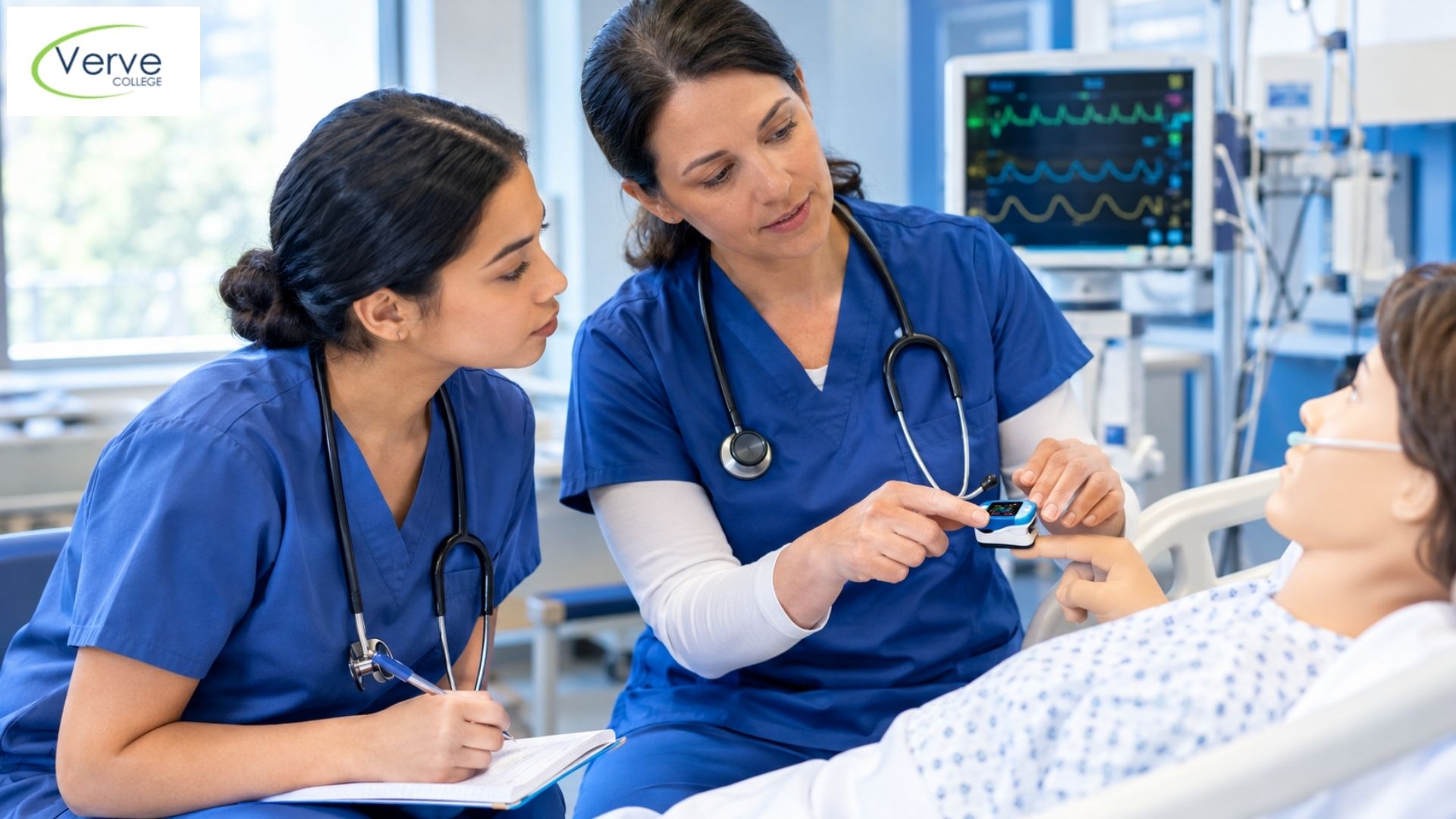
Hypoxia in Nursing Guide: Causes, Signs,…
October 22, 2026 Read More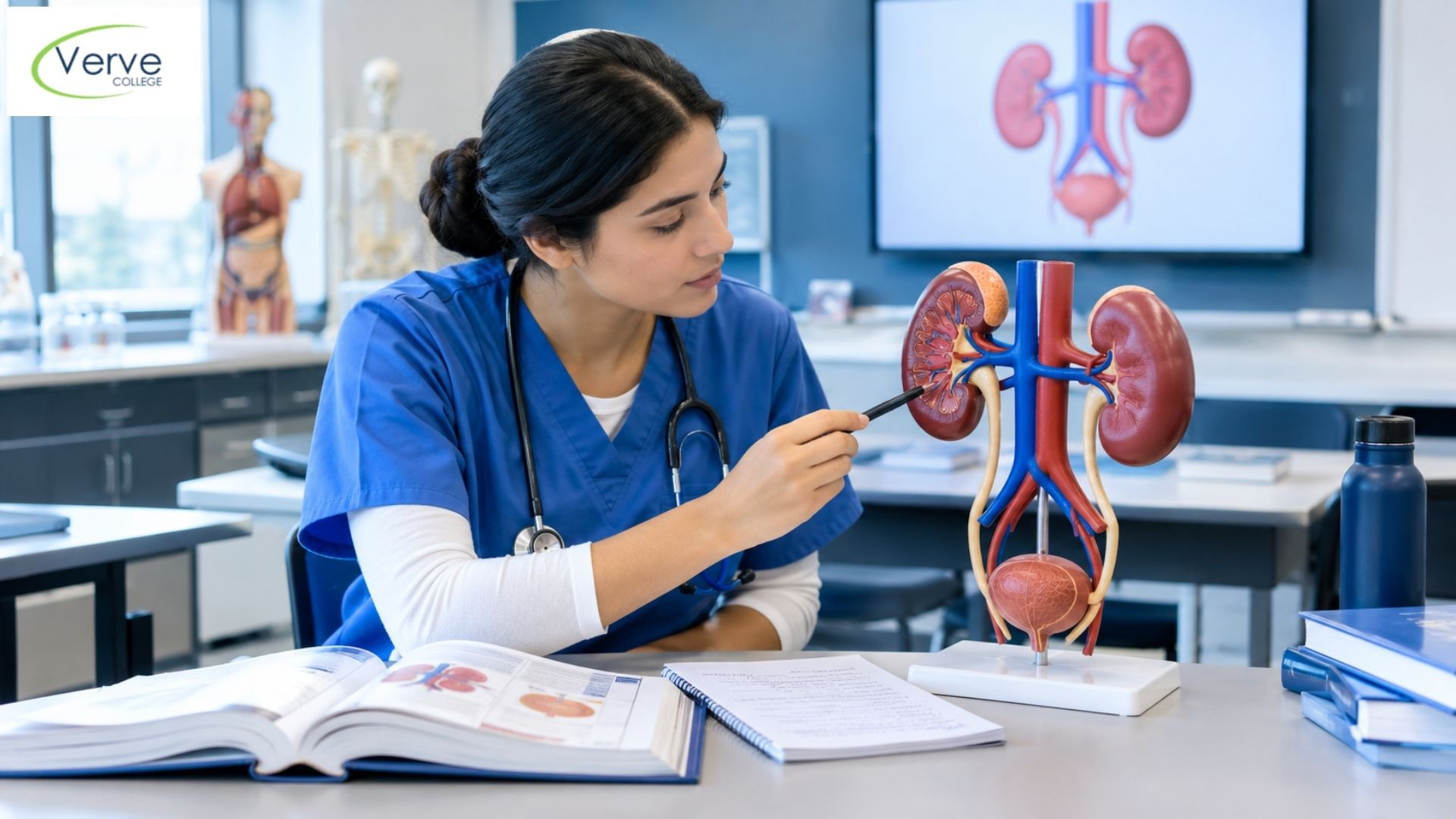
Kidney Fluid Balance Nursing Guide: How…
October 21, 2026 Read More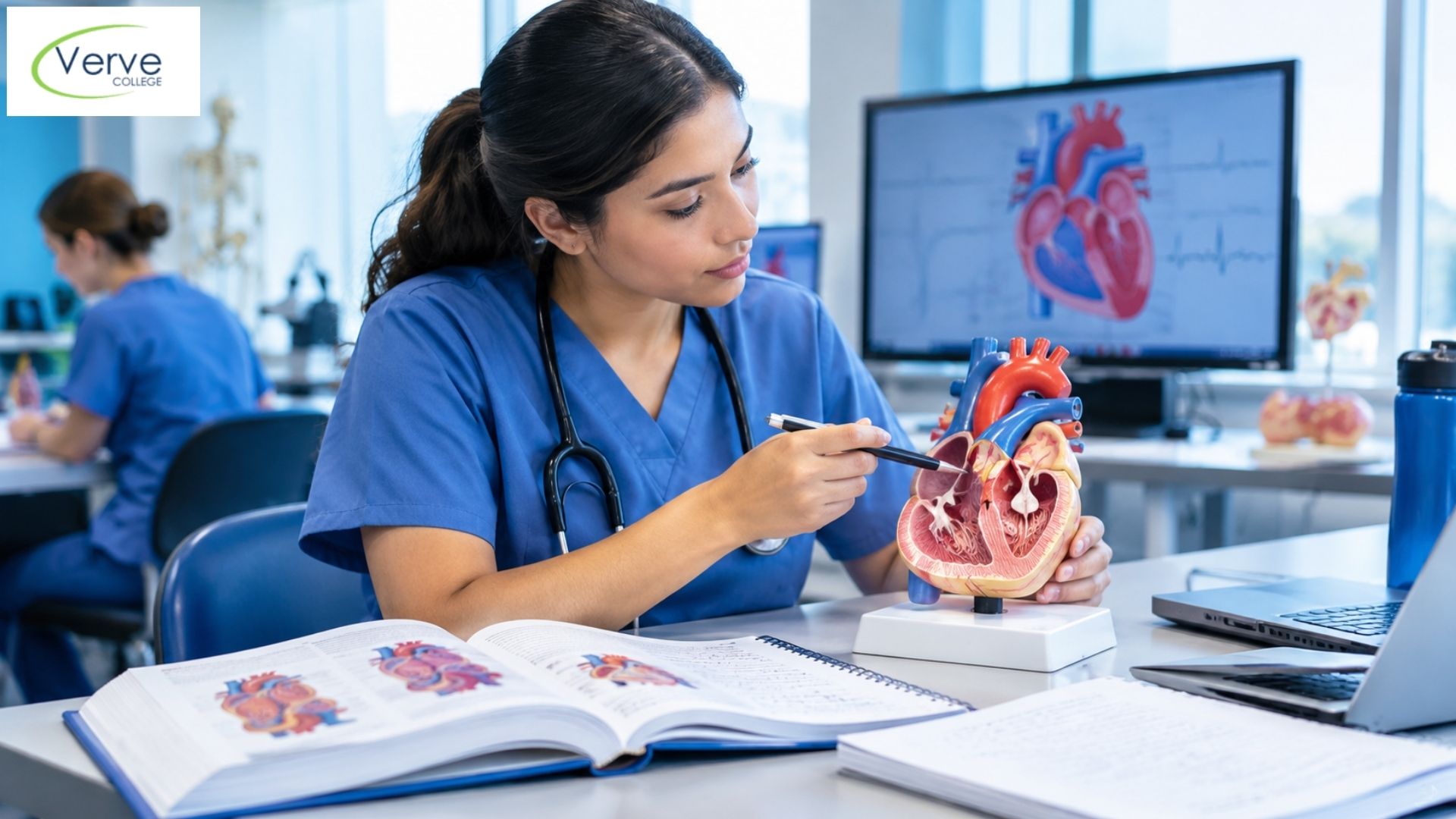
What Is Stroke Volume? Understanding How…
October 20, 2026 Read More
5 Signs an LPN Program Provides…
October 19, 2026 Read More