 Sign up
 Login
Login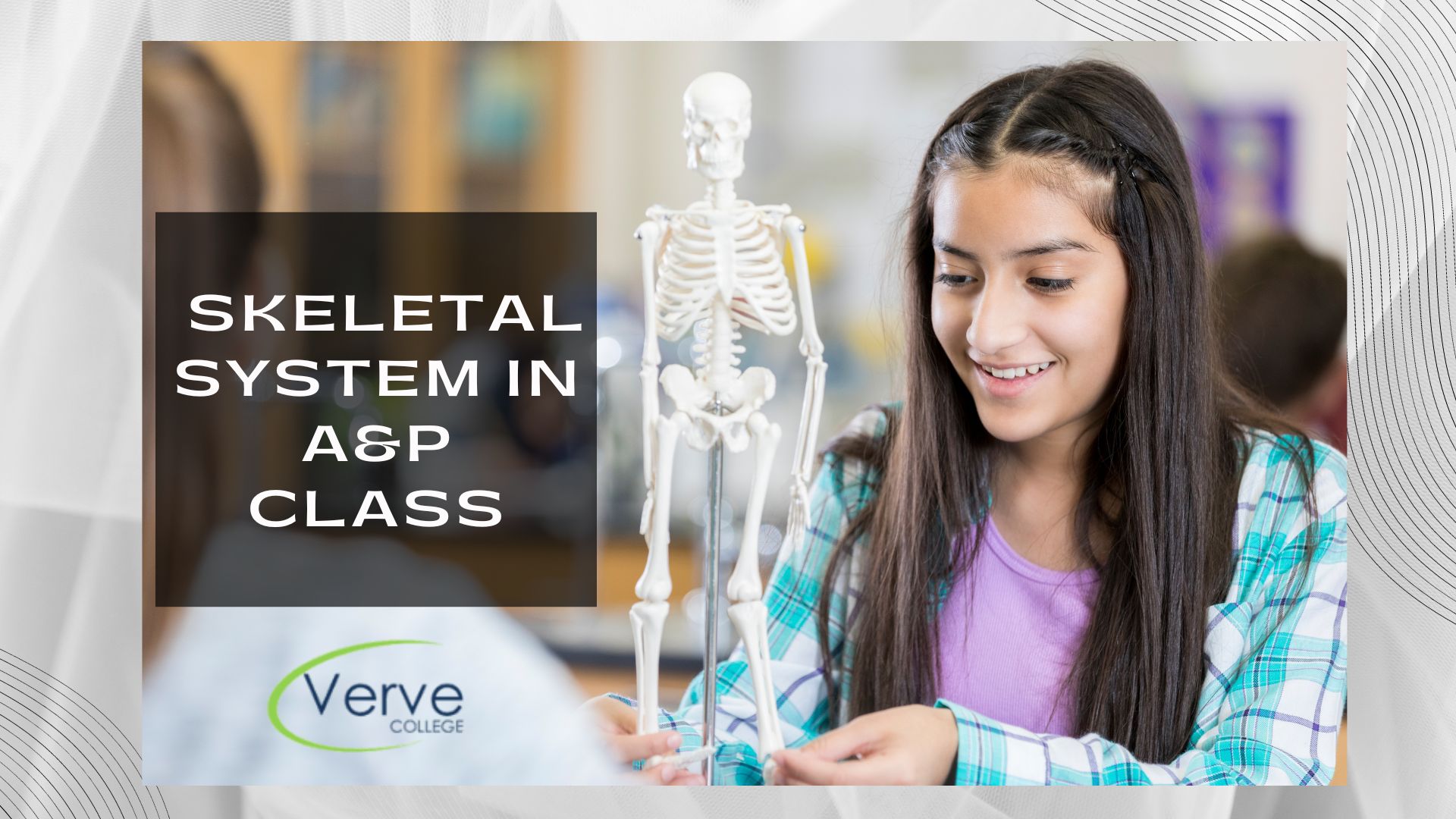
Autonomy in nursing refers to the ability of nurses to make independent decisions regarding patient care, guided by their professional knowledge and ethical standards.

Is a Nursing Career Right For You?
Take The Free QuizExplain the Value of Autonomy in Nursing & How to Improve?
Explain the Value of Autonomy in Nursing & How to Improve?
Autonomy in nursing refers to the ability of nurses to make independent decisions regarding patient care, guided by their professional knowledge and ethical standards. (more…)
Understanding the Skeletal System in A&P Class
A&P Class: Impact of Exercise and Nutrition on the Human Body
A&P Class: Impact of Exercise and Nutrition on the Human Body
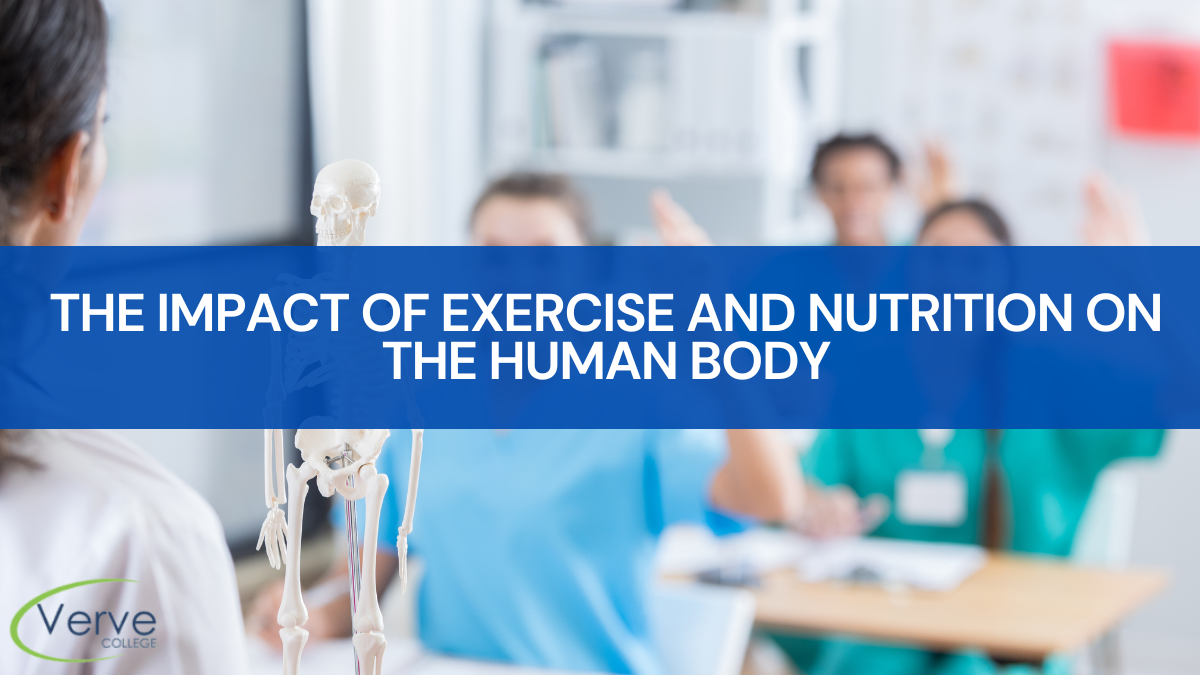
You fuel molecular, cellular, and organ system activities using the energy from the carbs, lipids, and proteins in your food. Fats are the primary form in which energy is stored. The quantity of calories consumed and how well they are digested and absorbed determines how much fat is stored as excess calories (fatty acids – amino acids). (more…)
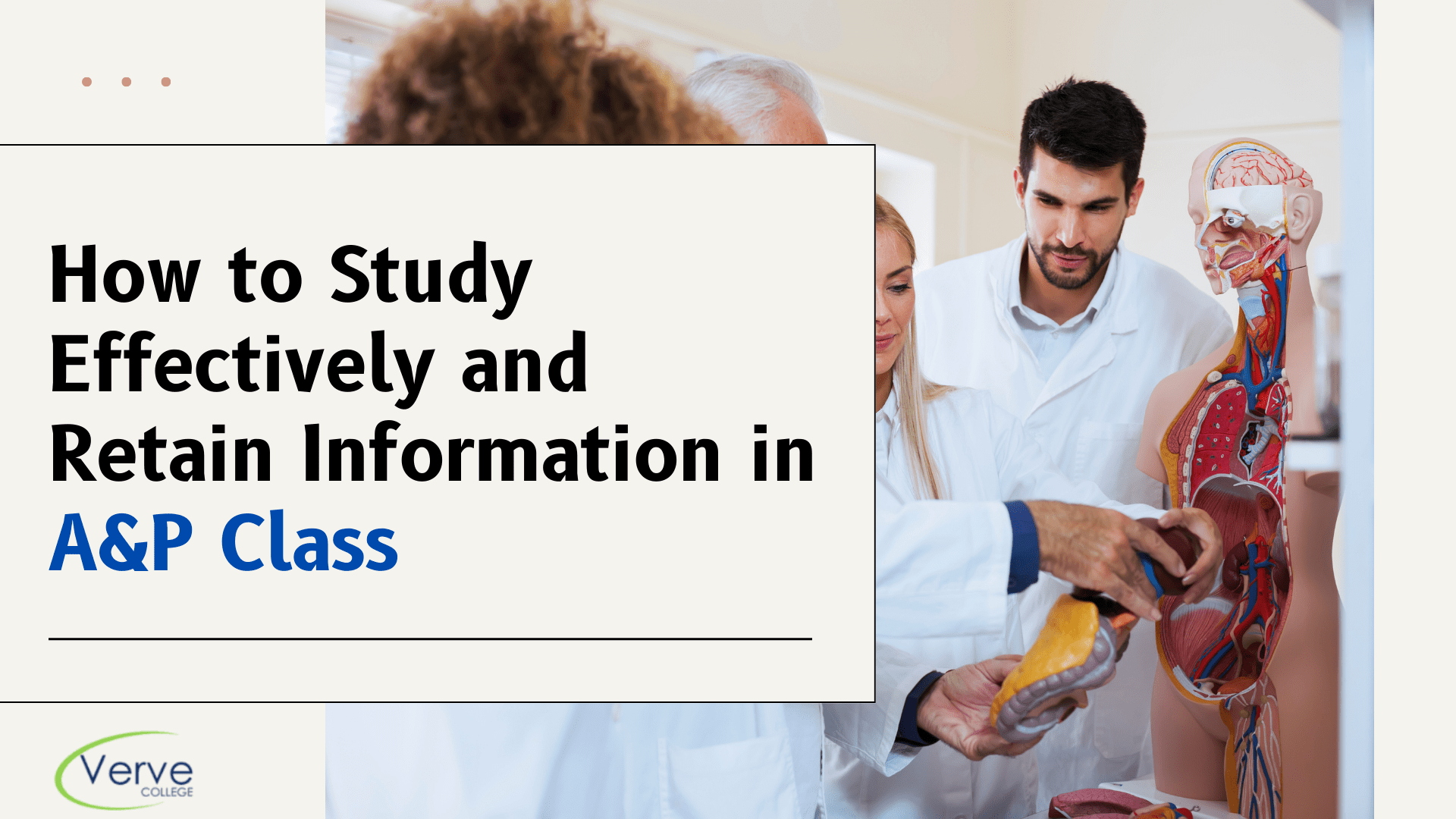
A&P Class: How to Study Effectively and Retain Information?
Female Reproductive System in A&P Class: A Fascinating Journey
Female Reproductive System in A&P Class: A Fascinating Journey
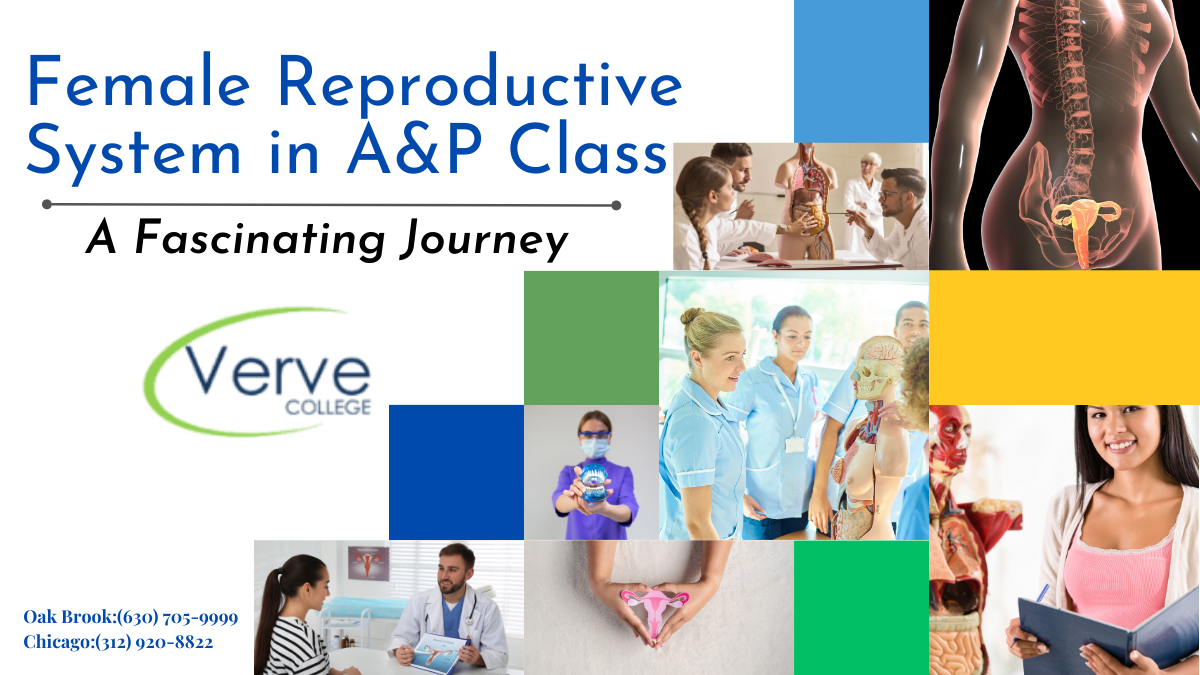
There are both internal and external organs that make up the female reproductive system. As per anatomy and physiology classes, It produces hormones and is responsible for fertility, menstruation, and sexual activity. (more…)
Understanding the Endocrine System in A&P Class: A Comprehensive Guide
Understanding the Endocrine System in A&P Class: A Comprehensive Guide

The cells, tissues, and organs that make up the endocrine system release hormones essential for homeostasis. The two main channels of communication used by the body to coordinate its operations are the brain and the endocrine. (more…)
Anatomy and Physiology Classes: Identifying Location of Organs, Cells, and Tissues
Anatomy and Physiology Classes: Identifying Location of Organs, Cells, and Tissues
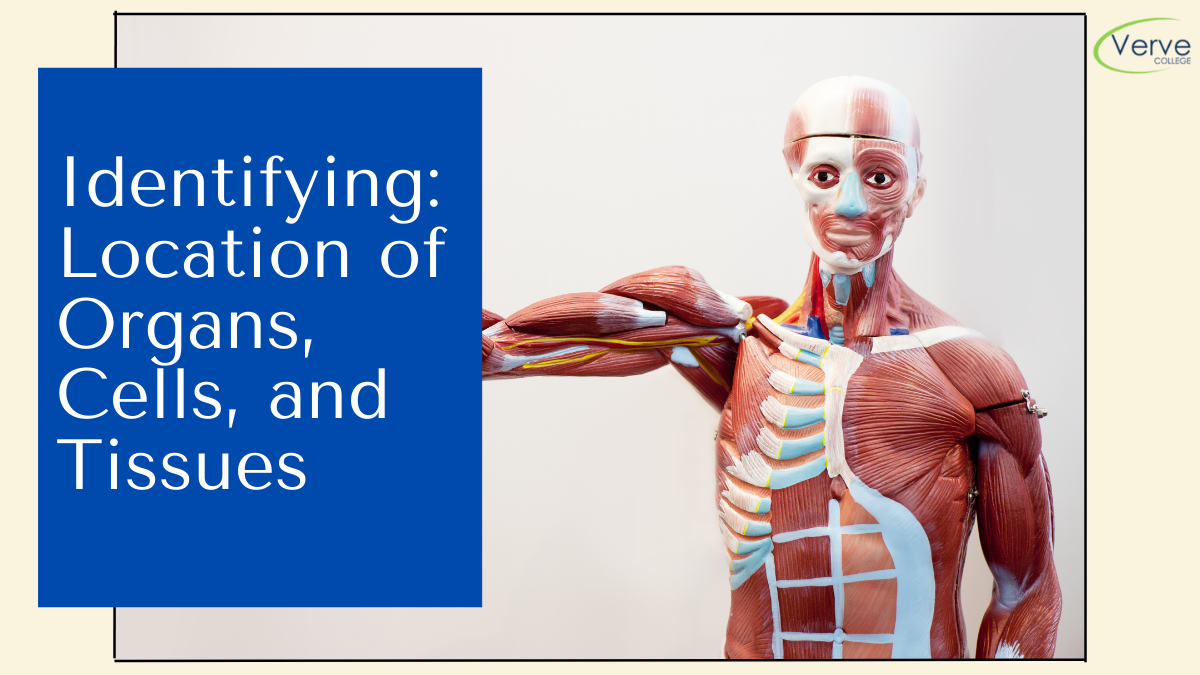
Medical and first aid publications frequently use jargon that, if taken out of context or if you are not familiar with it, may not always make sense. Your understanding of the item could be dramatically altered if they don’t make sense in it. (more…)
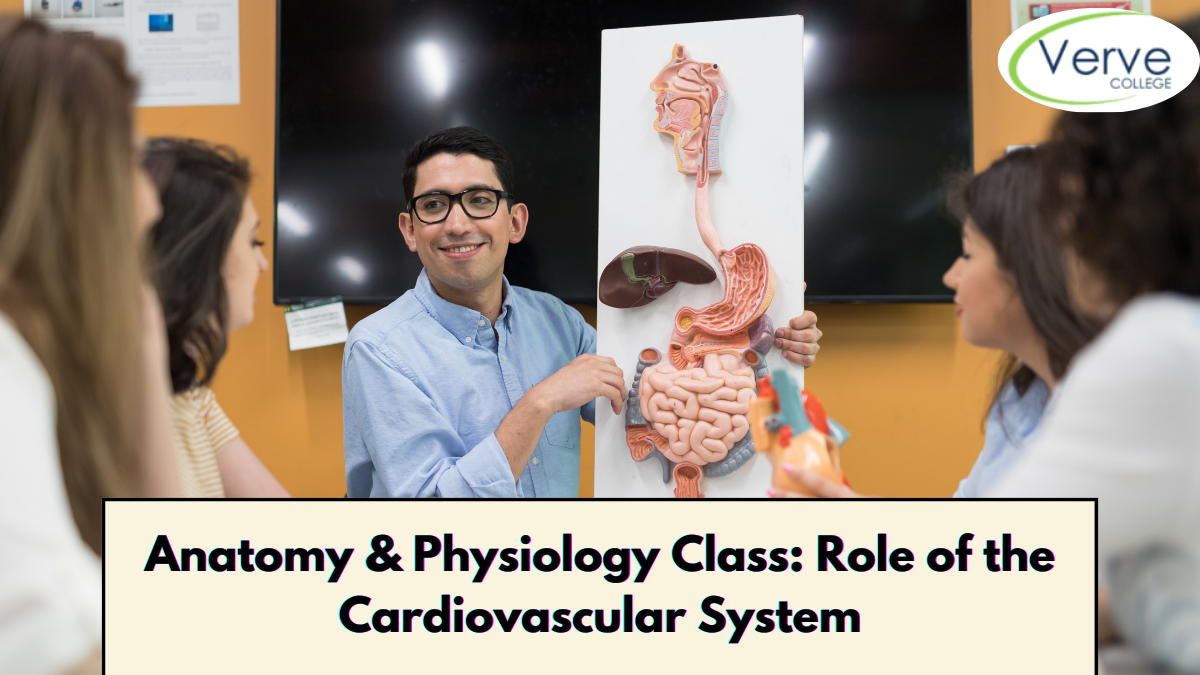
Anatomy & Physiology Classes: Role of the Cardiovascular System
Anatomy & Physiology Classes: Role of the Cardiovascular System
Your cardiovascular system, or circulatory system, comprises your heart and the many blood vessels throughout your body. The intricate network of blood vessels that connect to your heart is used to supply oxygen and other essential nutrients to your entire body. (more…)
Understanding the Nervous System and Its Disorders in A&P Class
Understanding the Nervous System and Its Disorders in A&P Class
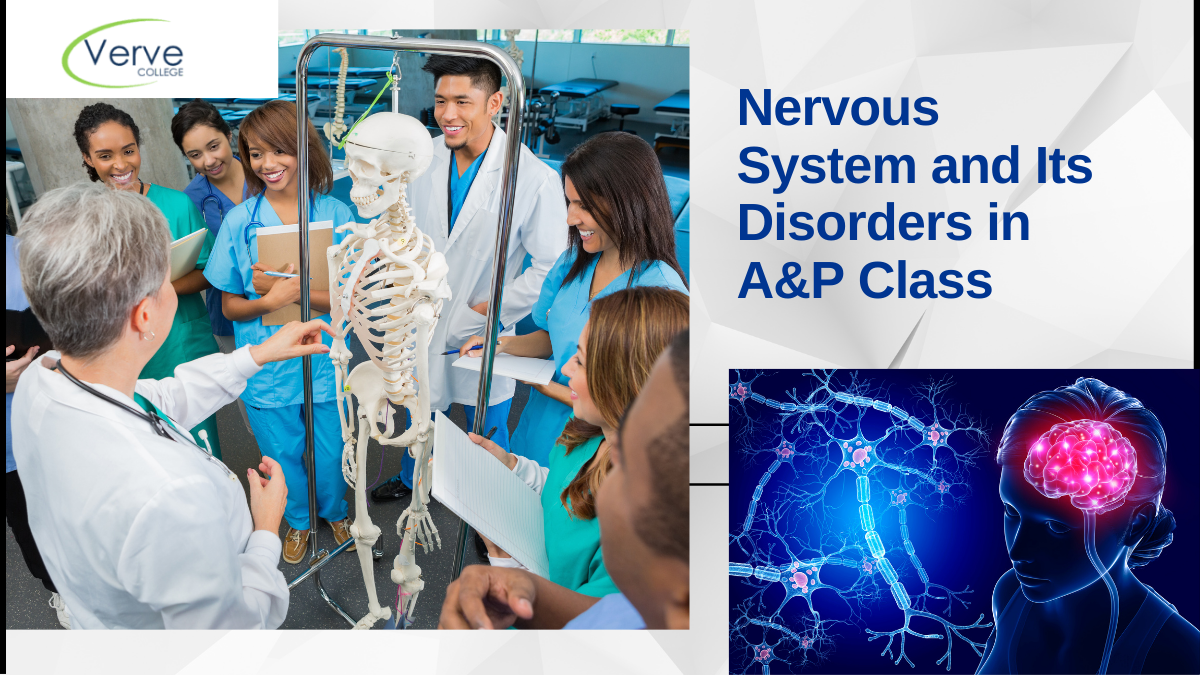
The nervous system, the body’s primary organ, which is a method for managing and transmitting, is what we call the nervous system that you can learn in a&p class. It is responsible for thinking, behavior, and feeling. The body’s signaling device or communication method with cell membranes is electrical signals like cranial nerves or vagus nerves send electronic signals to the brain. Graded potentials are relevant adjustments in membrane potential that are often associated with dendrites in a neuron. (more…)
Role of Anatomy in Diagnosing and Treating Medical Conditions
Role of Anatomy in Diagnosing and Treating Medical Conditions
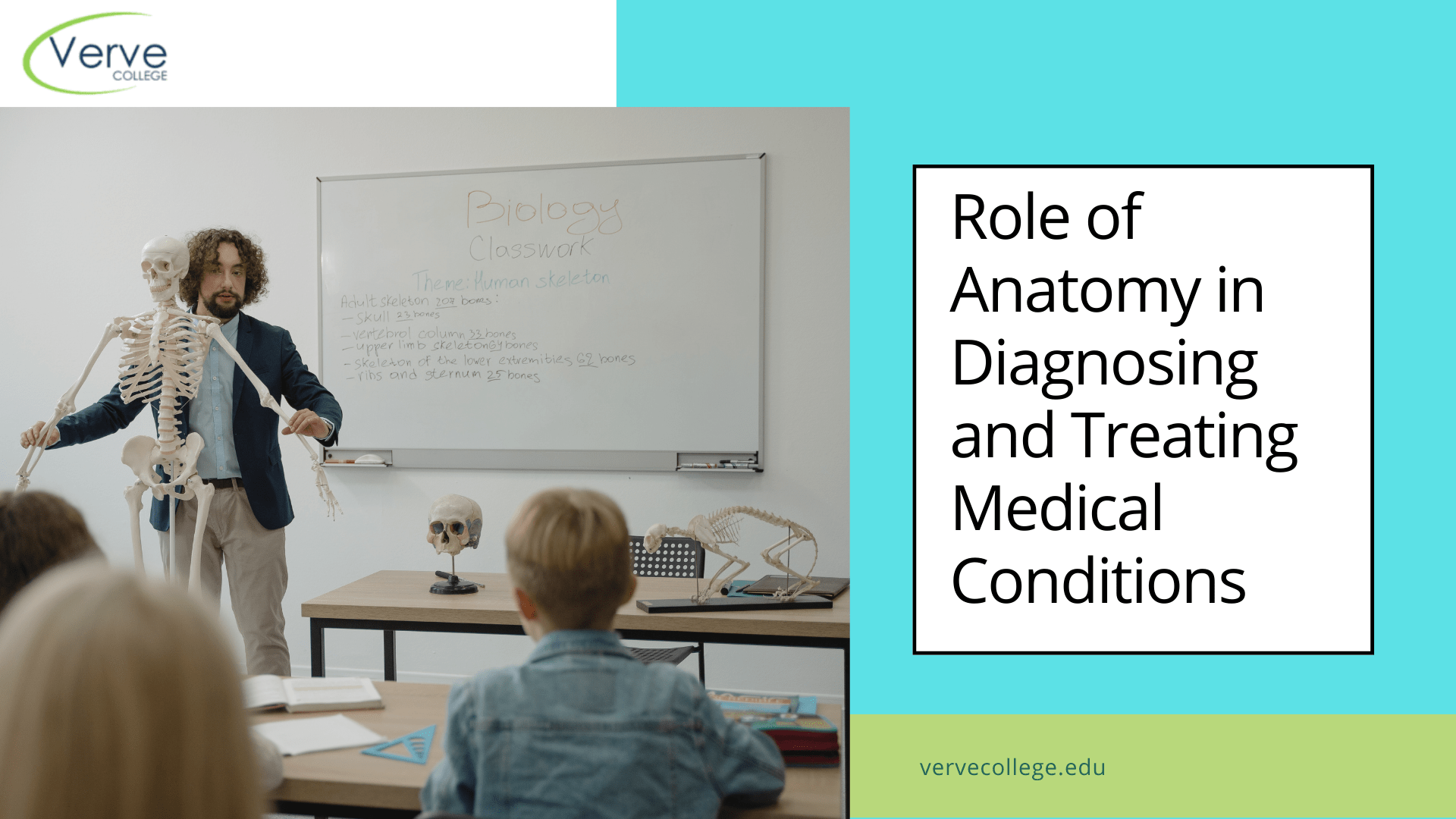
Are nurses required to be familiar with anatomy? This question is often asked by nursing students who struggle in their anatomy and physiology classes during nursing programs.
Although you don’t need to have a triple Ph.D. in anatomy & physiology to be a nurse, it is important to understand the basic structure in the study guide.
Amazingly, the human body is well-designed. Many major organs of the body have an enormous amount of extra capacity. They can function well even if they are damaged.
Reasons You Will Need Anatomy Knowledge to be a Nurse
Nurses Can Use Anatomy Knowledge To Help Them With Nursing Assessments
A head-to-toe or other nursing assessment will require a solid understanding of major regions of anatomy. You will need to be able to identify with critical thinking questions the valves that you are assessing when you listen to your heart.
If the patient complains of abdominal pain in the right lower quadrant, you can tell if it is the appendix.
Anatomy Knowledge Helps Nurses Perform Nursing Skills
Anatomy and physiology classes help healthcare practitioners with body part names and where they are located. You will need to be able to draw blood and start an IV. You should also ensure that the foley catheter is inserted into the urethra, not the vaginal opening for female patients.
Ultrasonography uses sound waves to produce images of internal structures; magnetic resonance imaging is used to move atoms within a magnetic field. These methods are noninvasive and can be used to view the body without the need for surgery.
Nurses Can Use Anatomy Knowledge To Understand How Diseases Affect The Body
Anatomy is often affected by the disease. Infarction is when the blood supply to tissue becomes cut off or blocked. This can lead to tissue death (also known as a heart attack, myocardial infarction, or stroke). A malfunctioning heart valve could lead to heart failure. Trauma to the skin can cause damage to its ability to function as a barrier and lead to infection. Normal tissue can be directly destroyed or pressure created by abnormal growths like cancer.
If your patient is suffering from renal failure, you might be able to think back to the anatomy and function of the kidneys. It is easy to see that the kidneys aren’t working correctly. You can also add a bit of physiology to help you understand why your patient is experiencing fluid overload.
Related:-Differences Between Prokaryotic and Eukaryotic Cells Taught in A&P Class
Understanding Anatomy Helps Nurses Understand The Treatment Options For Your Patient
It is important to look for the best anatomy and physiology course near me if you aspire to be a dutiful nurse. Imagine a patient receiving intravenous diuretics. As a nurse, you will need to be aware of the anatomical structures and organs that these drugs may affect. This is how diuretics affect the kidneys.
Methods of looking into the body are a key component in diagnosing and treating disease. X-rays were the first to allow doctors to view the body and inspect internal structures without having surgery. A CT scan provides detailed cross-sectional (two-dimensional) images of the interior.
Want to Make a Career in Nursing? Get More Information About Our Courses!
Documentation: Nurses Can Benefit From Anatomy Knowledge
It is best to use the correct anatomical terms when a nurse documents a patient. If a patient has a pressure injury to their backside, you can write, “Patient has pressure injuries on their hip bone,”
Conclusion
Many nursing students fear the intense class of anatomy. After struggling with anatomy and physiology class, many nursing students feel discouraged and even drop out of the a&p class. Verve college offers the best programs to ace anatomy and physiology so that students can pave the way for their life as dutiful nurses and healthcare professionals.
Understanding the Skeletal System in A&P Class
May 4, 2023Human bodily systems are kept stable and upright by the network of joints, cartilage, and bones that make up the skeleton. A&P class examines the human bone system and how it changes from childhood to adulthood.
A&P Class: Impact of Exercise and Nutrition on the Human Body
April 20, 2023You fuel molecular, cellular, and organ system activities using the energy from the carbs, lipids, and proteins in your food. Fats are the primary form in which energy is stored. The quantity of calories consumed and how well they are …
A&P Class: How to Study Effectively and Retain Information?
April 14, 2023If you are a major in health science courses, anatomy & physiology will be a class that you must take. Many students hate A&P class. Anatomy or physiology isn’t a difficult class.
Female Reproductive System in A&P Class: A Fascinating Journey
April 3, 2023There are both internal and external organs that make up the female reproductive system. As per anatomy and physiology classes, It produces hormones and is responsible for fertility, menstruation, and sexual activity.
Understanding the Endocrine System in A&P Class: A Comprehensive Guide
April 3, 2023The cells, tissues, and organs that make up the endocrine system release hormones essential for homeostasis. The two main channels of communication used by the body to coordinate its operations are the brain and the endocrine.
Anatomy and Physiology Classes: Identifying Location of Organs, Cells, and Tissues
March 31, 2023Medical and first aid publications frequently use jargon that, if taken out of context or if you are not familiar with it, may not always make sense. Your understanding of the item could be dramatically altered if they don’t make …
Anatomy & Physiology Classes: Role of the Cardiovascular System
March 31, 2023Your cardiovascular system, or circulatory system, comprises your heart and the many blood vessels throughout your body. The intricate network of blood vessels that connect to your heart is used to supply oxygen and other essential nutrients to your entire …
Understanding the Nervous System and Its Disorders in A&P Class
March 27, 2023The nervous system, the body’s primary organ, which is a method for managing and transmitting, is what we call the nervous system that you can learn in a&p class. It is responsible for thinking, behavior, and feeling. The body’s signaling …
Role of Anatomy in Diagnosing and Treating Medical Conditions
March 22, 2023Are nurses required to be familiar with anatomy? This question is often asked by nursing students who struggle in their anatomy and physiology classes during nursing programs. Although you don’t need to have a triple Ph.D. in anatomy & physiology to be …