 Sign up
 Login
LoginAnatomy, physiology, and medical technology are the foundations of modern medicine, and they play an essential role in delivering appropriate patient care & check patient health. The interweaving of these two disciplines in the complex tapestry that is healthcare allows …

Is a Nursing Career Right For You?
Take The Free QuizClinical Applications of Anatomy and Physiology: Real-World Examples
Clinical Applications of Anatomy and Physiology: Real-World Examples
Anatomy, physiology, and medical technology are the foundations of modern medicine, and they play an essential role in delivering appropriate patient care & check patient health. The interweaving of these two disciplines in the complex tapestry that is healthcare allows medical professionals to understand the basic structure and function of the human body. A&P class is the best choice to learn about the clinical applications in healthcare and for doing medical practice. (more…)
Do I Experience Pain During an Endometrial Biopsy?
Do I Experience Pain During an Endometrial Biopsy?
An endometrial biopsy is a medical procedure during which your healthcare provider removes tissue from your endometrium for examination under a microscope to detect abnormal or cancerous cells that might exist therein. (more…)
Alimentary Canal: Introduction, Examples & Layers
Alimentary Canal: Introduction, Examples & Layers
Digestion involves breaking food particles into smaller, water-soluble fragments that can be more readily assimilated by blood plasma for absorption and metabolism by your body. Your whole body along with the gastrointestinal tract plays an active part in digesting, assimilating, and processing food bolus, plus getting rid of anything left undigested that remains as organic matter. Licensed practical nursing schools explain this concept thoroughly. (more…)
Nursing Education and Anatomy: Exploring Analogous vs. Homologous Structures in Organisms
Nursing Education and Anatomy: Exploring Analogous vs. Homologous Structures in Organisms
Homologous and analogous structures refer to structures between species in biology. A&p class helps students understand the difference between Analogous vs homologous structures. This concept indicates a correlation between structures found among different organisms over time as their evolution occurs. Vestigial organs are the ones that lost their use over evolution. (more…)
Anatomy of Lower Leg Muscles- A&P Class Overview
Anatomy of Lower Leg Muscles- A&P Class Overview
Lower legs lie between the ankle and knee and play an integral part in supporting foot and upper leg functions. Consisting primarily of bones, muscles, and tendons as well as nerves and blood vessels for nerve communication purposes, the lower leg helps coordinate these processes efficiently to perform essential duties for both feet while maintaining optimal health conditions. If you wish to learn more about this, you should look for an anatomy and physiology course near me. (more…)
Endomembrane System: Components & Functions
Endomembrane System: Components & Functions
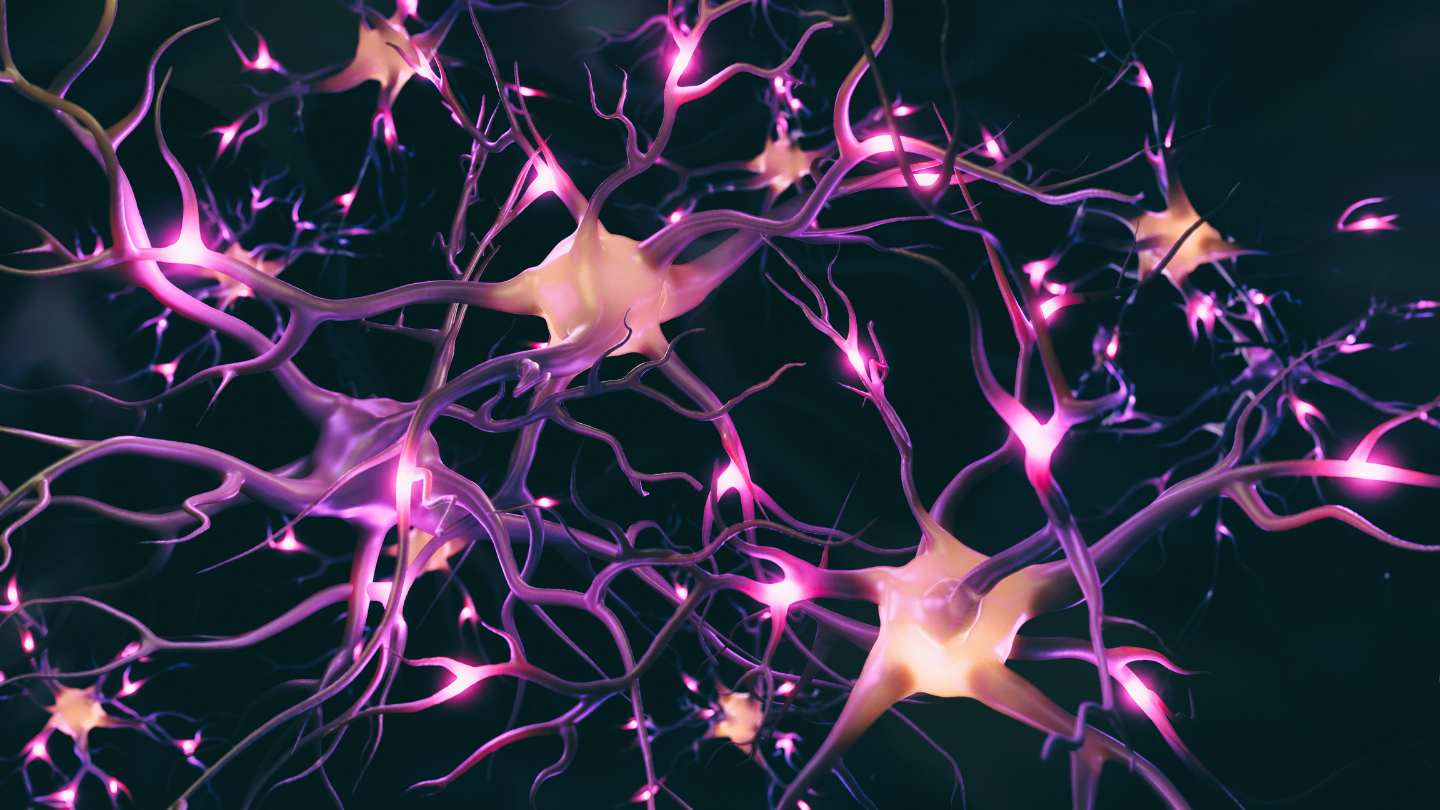
Have you ever considered how biomolecules are created inside cells, the fundamental unit of life, and then secreted out to be utilized by the organ systems in human bodies? Biomolecules are essential in everyday activities – proteins, carbs, nucleic acids, and lipids all play essential roles in growth, reproduction, and digestion. Without them, we would not exist as human bodies! To learn more you can look for an anatomy and physiology course near me. (more…)
All About Vertebrate Digestive Systems in Physiology
All About Vertebrate Digestive Systems in Physiology
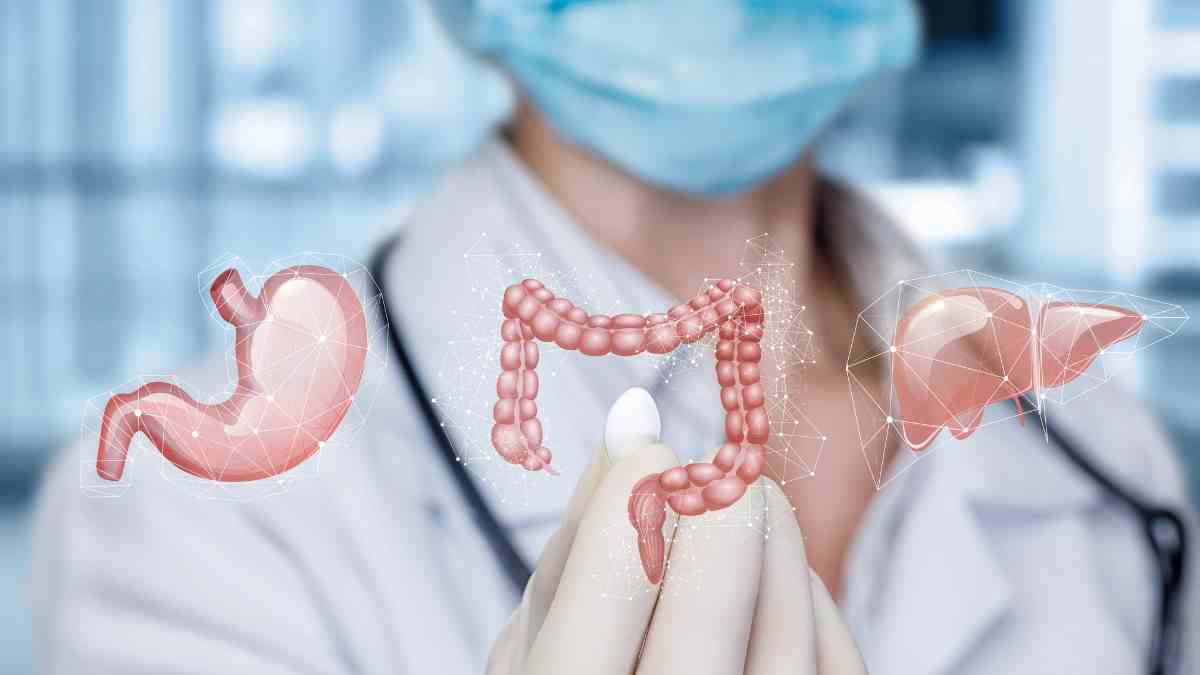
Vertebrates have developed more sophisticated digestion systems to accommodate their dietary requirements, with some animals only possessing one stomach while others having multiple chambers or even birds possessing an innovative digestive tract that allows them to consume un-masticated food sources. You should opt for anatomy and physiology classes to learn about the physiology of digestion in different classes of vertebrates. (more…)
Comparative Anatomy: Definition & Examples
Comparative Anatomy: Definition & Examples

Comparative anatomy is the study of how different species’ anatomical structures compare and contrast with one another. Biologists use fossils as evidence to understand evolution; biologists then can compare prehistoric organisms from prehistory with the wide range of modern-day species by using comparative anatomy; they then can observe how genetic mutation has helped these organisms adapt to survive within their environments, leading them to evolve so that survival occurs over time resulting in new traits being acquired through natural selection that helps these creatures cope in their environment – thus creating another species entirely! Moreover, our A&P class covers this in depth. Lets dive into the comparative anatomy definition.
What is Comparative Anatomy?
Comparative anatomy refers to the examination of differences among animal species to track evolution by studying how adaptive changes have taken place between species over time.
Early evolutionary scientists such as Lamarck and Buffon employed comparative anatomy as an indicator for species relationships. This stream’s research interests focus on vertebrate animal evolution. How can we tell whether evolution occurred? An abundance of evidence is available for our observation of it – comparative anatomy is just one type.
Comparative anatomy relies upon two concepts: homologous structures and comparable structures. Look for the best nursing colleges in Illinois to ace your anatomy knowledge.
Analogous Structures
Analogous structures or analogous organs in comparative anatomy refer to structures that are similar or identical in various organisms. Organs that exhibit analogous qualities typically serve the same function but originate in completely separate ways, for instance, bird wings are functionally equivalent to insect wings despite differing in origin; both organisms use wings for flight while their origins differ greatly – bird’s wings being much like human hands or forelimbs while insect wings differ substantially; nonetheless, both wings serve an analogous purpose that has evolved through convergent evolution processes.
Related:- Acute Pain Nursing Care Plan: Causes, Sign & Symptoms
Homologous Structures
Homologous structures or homologous organs refer to organs or structures which share similar origins in structure while fulfilling different purposes; for instance, the forelimbs in bats, horses, birds, and whales all possess forelimbs with identical structures, yet each uses them differently: birds use them to fly while bats use theirs as gliders for aerial glides while horses run on land using them while whales with flipper forelimbs swim with them – these homologous vertebrate structures serve different functions all while sharing similar origins in structure compared with each other species.
Examining organs that possess similar structures – like the phalanges – allows researchers to discern that all these organs possess bones similar to that found on humeri and muscles like those found elsewhere – supporting biological evolution through comparative analyses.
Comparative Anatomy Examples
Comparative anatomy provides evidence for evolution.
- Vertebrates’ hearts contain chambers known as ventricle (or auricle), conus arteriosus (commonly referred to as sinus venous), etc. Arranging these chambers correctly within vertebrate hearts is key since oxygenated and deoxygenated blood is from mixing. Over evolutionary time, vertebrate hearts have changed considerably – for instance, single-chambered hearts of fishes have transformed into three or four-chambered ones more suitable to their environments (amphibians or reptiles have four).
- The vertebral column is composed of four mesodermal masses within each somite and composed of vertebrae; these vertebrae feature a neural canal, neural arches, neural spines, an articular process, and transverse processes for support.
- Over time, vertebrate brain anatomy has progressed. Most vertebrates share five common brain lobes that make up their minds: Olfactory, Optic, Cerebral Cerebellum, and Medulla Oblongata lobes. There have also been anatomical modifications within vertebrate brains, such as larger cerebral hemispheres in mammals than fishes as well as bigger fishy organs than mammals that control smell (olfactory organ).
More To Know
Vestigial organs, commonly found among higher vertebrates, are nonfunctional primitive organs present in certain animals (particularly higher vertebrates). Once utilized by these creatures as part of their former lifestyles and environments, vestigial organs eventually lost their purpose over time, and with environmental changes, vestigial organs become evidence for evolution.
Want to Make a Career in Nursing? Get More Information About Our Courses
Examples include vermiform apexes and muscles of the outer ears of lower mammals that still play important functions today, such as digestion or moving pinnae in smaller mammals to control pinna movement when needed by smaller mammals to manipulate pinnae manually when moving their pinnae. Students should look for anatomy and physiology course near me to build a rewarding career with appropriate skills in the medical field.
Respiratory System Anatomy and Physiology: A Quick Guide
Respiratory System Anatomy and Physiology: A Quick Guide
Each group of components has multiple separate parts. Your airways carry air to your lungs. Your airways consist of a complex body system, which includes the Department of Anatomy: Here you can get to know about the respiratory system: (more…)
How to Study Anatomy? (Pro Tips)
How to Study Anatomy? (Pro Tips)

Studying human anatomy requires a systematic method. Many anatomy and physiology classes help you to find the answer to how to study anatomy & it will begin with an introduction to anatomical concepts and terminology, followed by a review of cellular processes and tissue classifications. The gross and microscopic anatomy education of the organ systems is taught to students. (more…)
Do I Experience Pain During an Endometrial Biopsy?
July 17, 2023An endometrial biopsy is a medical procedure during which your healthcare provider removes tissue from your endometrium for examination under a microscope to detect abnormal or cancerous cells that might exist therein.
Alimentary Canal: Introduction, Examples & Layers
July 17, 2023Digestion involves breaking food particles into smaller, water-soluble fragments that can be more readily assimilated by blood plasma for absorption and metabolism by your body. Your whole body along with the gastrointestinal tract plays an active part in digesting, assimilating, …
Nursing Education and Anatomy: Exploring Analogous vs. Homologous Structures in Organisms
July 12, 2023Homologous and analogous structures refer to structures between species in biology. A&p class helps students understand the difference between Analogous vs homologous structures. This concept indicates a correlation between structures found among different organisms over time as their evolution occurs. …
Anatomy of Lower Leg Muscles- A&P Class Overview
July 12, 2023Lower legs lie between the ankle and knee and play an integral part in supporting foot and upper leg functions. Consisting primarily of bones, muscles, and tendons as well as nerves and blood vessels for nerve communication purposes, the lower …
Endomembrane System: Components & Functions
July 5, 2023Have you ever considered how biomolecules are created inside cells, the fundamental unit of life, and then secreted out to be utilized by the organ systems in human bodies? Biomolecules are essential in everyday activities – proteins, carbs, nucleic acids, …
All About Vertebrate Digestive Systems in Physiology
June 29, 2023Vertebrates have developed more sophisticated digestion systems to accommodate their dietary requirements, with some animals only possessing one stomach while others having multiple chambers or even birds possessing an innovative digestive tract that allows them to consume un-masticated food sources. …
Comparative Anatomy: Definition & Examples
June 28, 2023Comparative anatomy is the study of how different species’ anatomical structures compare and contrast with one another. Biologists use fossils as evidence to understand evolution; biologists then can compare prehistoric organisms from prehistory with the wide range of modern-day species …
Respiratory System Anatomy and Physiology: A Quick Guide
May 19, 2023Each group of components has multiple separate parts. Your airways carry air to your lungs. Your airways consist of a complex body system, which includes the Department of Anatomy: Here you can get to know about the respiratory system:
How to Study Anatomy? (Pro Tips)
May 11, 2023Studying human anatomy requires a systematic method. Many anatomy and physiology classes help you to find the answer to how to study anatomy & it will begin with an introduction to anatomical concepts and terminology, followed by a review of cellular …