Sign up
 Login
Login
Is a Nursing Career Right For You?
Take The Free Quiz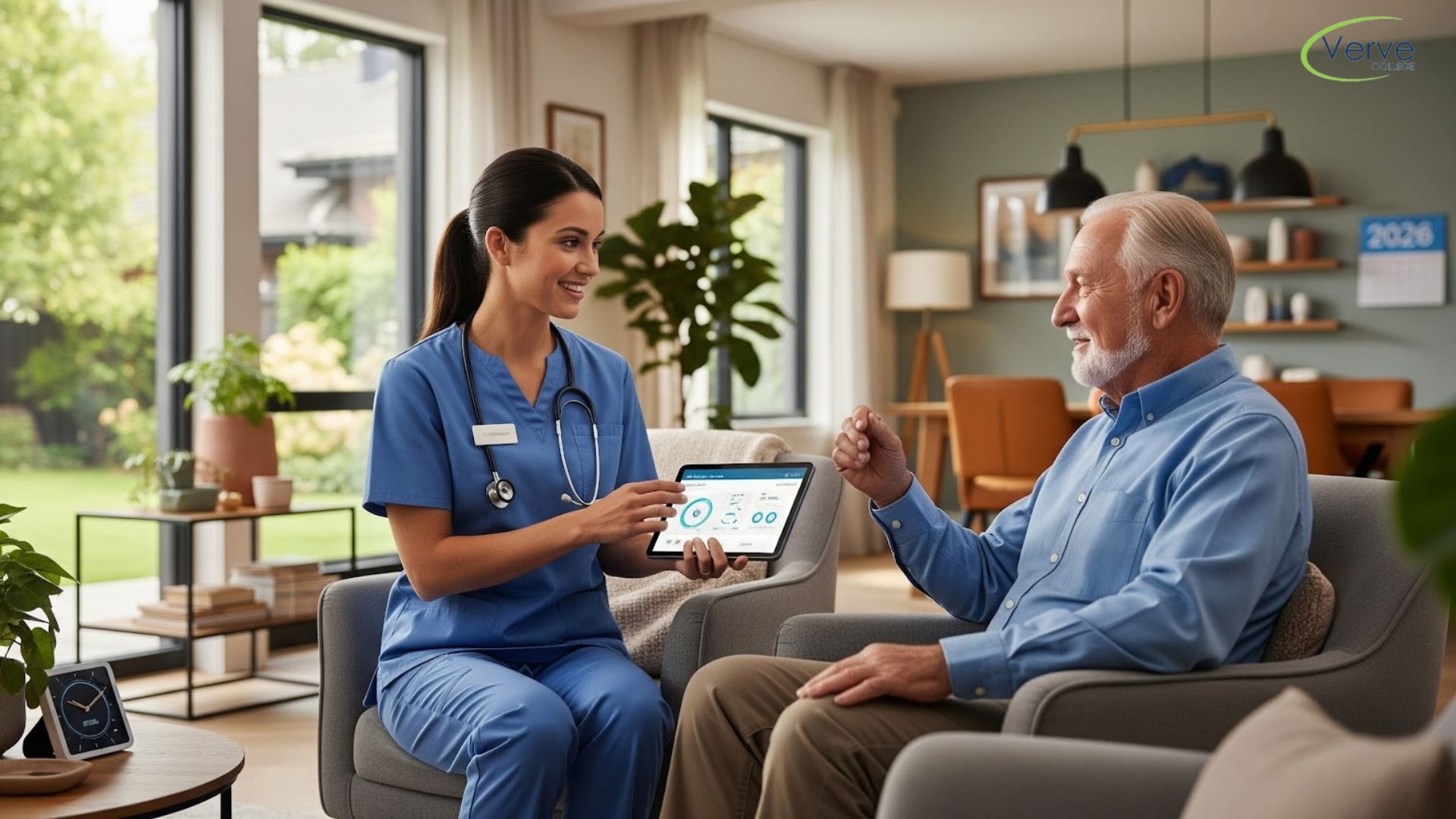
Why Home Health Nursing is Booming in 2026?
Why Home Health Nursing is Booming in 2026?
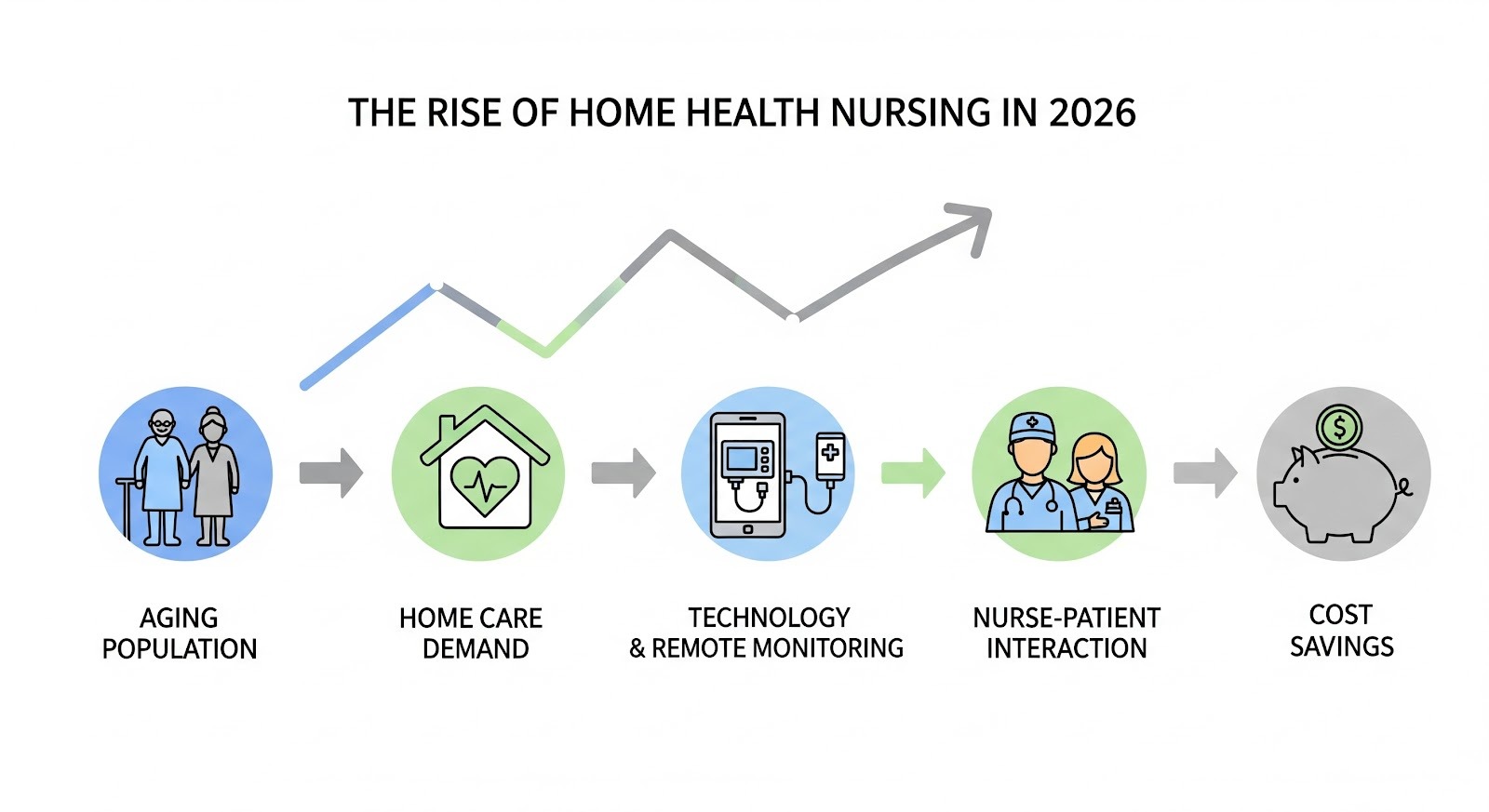
The healthcare workforce is changing fast. According to U.S. health workforce projections, home-based care roles are growing significantly faster than hospital-based roles due to an aging population, chronic disease management needs, and rising healthcare costs. By 2026, more patients will be choosing care at home instead of long hospital stays. This shift has made home health nursing one of the fastest-growing nursing career paths.
Another major driver is workforce flexibility. Many students now look for a licensed practical nursing program near me that allows them to enter the workforce quickly and work closer to their communities. Home health nursing meets both patient needs and nurse lifestyle expectations, which is why demand continues to rise.
Key Takeaways
- Home-based care is growing faster than hospital care
- Aging populations and chronic illnesses drive long-term demand
- Home health nurses enjoy flexible schedules and autonomy
- Technology is improving remote patient monitoring
- Entry-level nursing roles can transition easily into home care
Growing Role of Home Health Nursing
The future of home health care industry is closely tied to how healthcare systems manage rising costs and long-term patient needs. Treating patients at home is often safer, more comfortable, and less expensive than hospital care. This makes home health nursing a practical solution for both providers and families.
Home health nurses play a critical role by delivering skilled care such as wound management, medication administration, post-surgical monitoring, and patient education. Unlike hospital settings, nurses often work one-on-one with patients, which improves trust and outcomes.
Technology is another growth factor. Remote monitoring devices, electronic health records, and telehealth visits allow nurses to track patients without frequent hospital visits. This expands care access, especially in rural and underserved areas.
Related: The Vital Role of Home Health Aides in Modern Healthcare
As healthcare systems shift from treatment-focused models to prevention and long-term management, home health nursing becomes essential rather than optional.
Why Nurses Are Choosing Home Health Careers?
One major reason nurses are moving into home health is work-life balance. Hospital shifts can be long and physically demanding. Home health roles often offer more predictable schedules and independence.
Another factor is career flexibility. Many LPNs transition into home care after gaining basic clinical experience. For students balancing family or work, evening lpn programs make it possible to train while preparing for home-based roles.
Home health nursing also allows nurses to build stronger patient relationships. Spending more time with fewer patients leads to better communication, higher job satisfaction, and a deeper sense of impact.
Financially, demand continues to push wages upward, especially in areas with limited healthcare access.
Patient Preferences Are Changing
Patients increasingly prefer receiving care at home. Recovery is often faster in familiar environments, and family involvement improves adherence to care plans.
For elderly patients, home care reduces the risk of hospital-acquired infections and unnecessary readmissions. Chronic condition management, such as diabetes, heart disease, or mobility limitations is more effective when nurses observe patients in real-life settings.
This patient-driven demand ensures long-term stability for home health nursing roles well beyond 2026.
FAQs
- Is home health nursing a good career in 2026?
Yes. Demand is high, job growth is strong, and work-life balance is better than many hospital roles. - What skills are needed for home health nursing?
Clinical skills, communication, time management, and independent decision-making are essential. - Can LPNs work in home health care?
Yes. Many home health agencies actively hire LPNs for patient care roles. - Does home health nursing require travel?
Yes, but travel is usually local and scheduled, not long-distance.
Conclusion
The rise of home health nursing is not a temporary trend—it reflects a permanent shift in how healthcare is delivered. As the future of home health care industry focuses on cost efficiency, patient comfort, and preventive care, home-based nursing roles will continue to expand.
Want to Make a Career in Nursing? Get More Information About Our Courses!
For students exploring practical nursing pathways, home health offers flexibility, strong demand, and meaningful patient relationships. Graduates from licensed practical nursing schools are especially well-positioned to enter this growing field and build stable, rewarding careers.
Most Popular Blogs Posts
Can You Become an LPN Online?…
April 7, 2026 Read More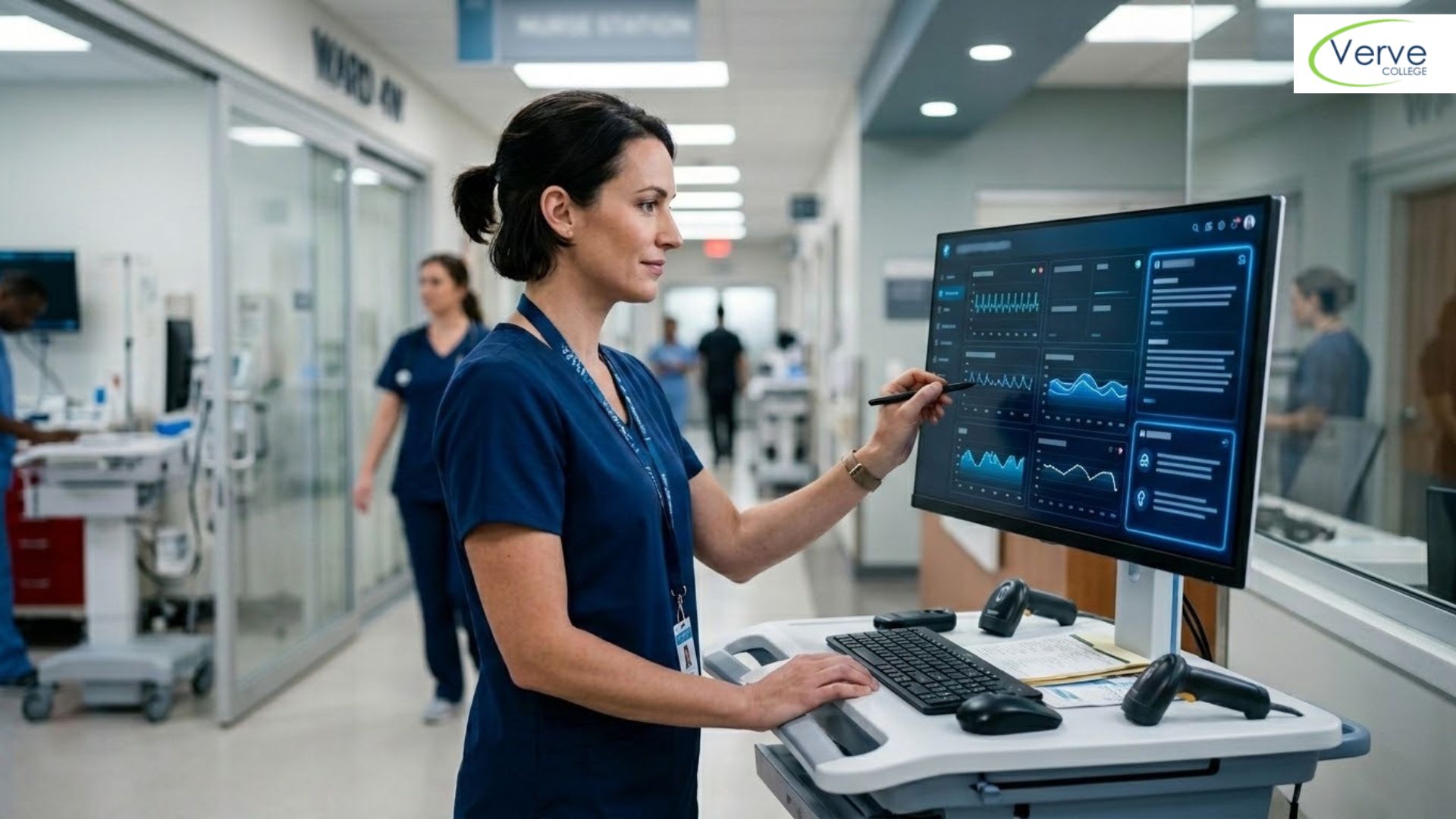
How AI Is Changing Nursing in…
April 7, 2026 Read More
How Hard Is Anatomy and Physiology?…
April 6, 2026 Read More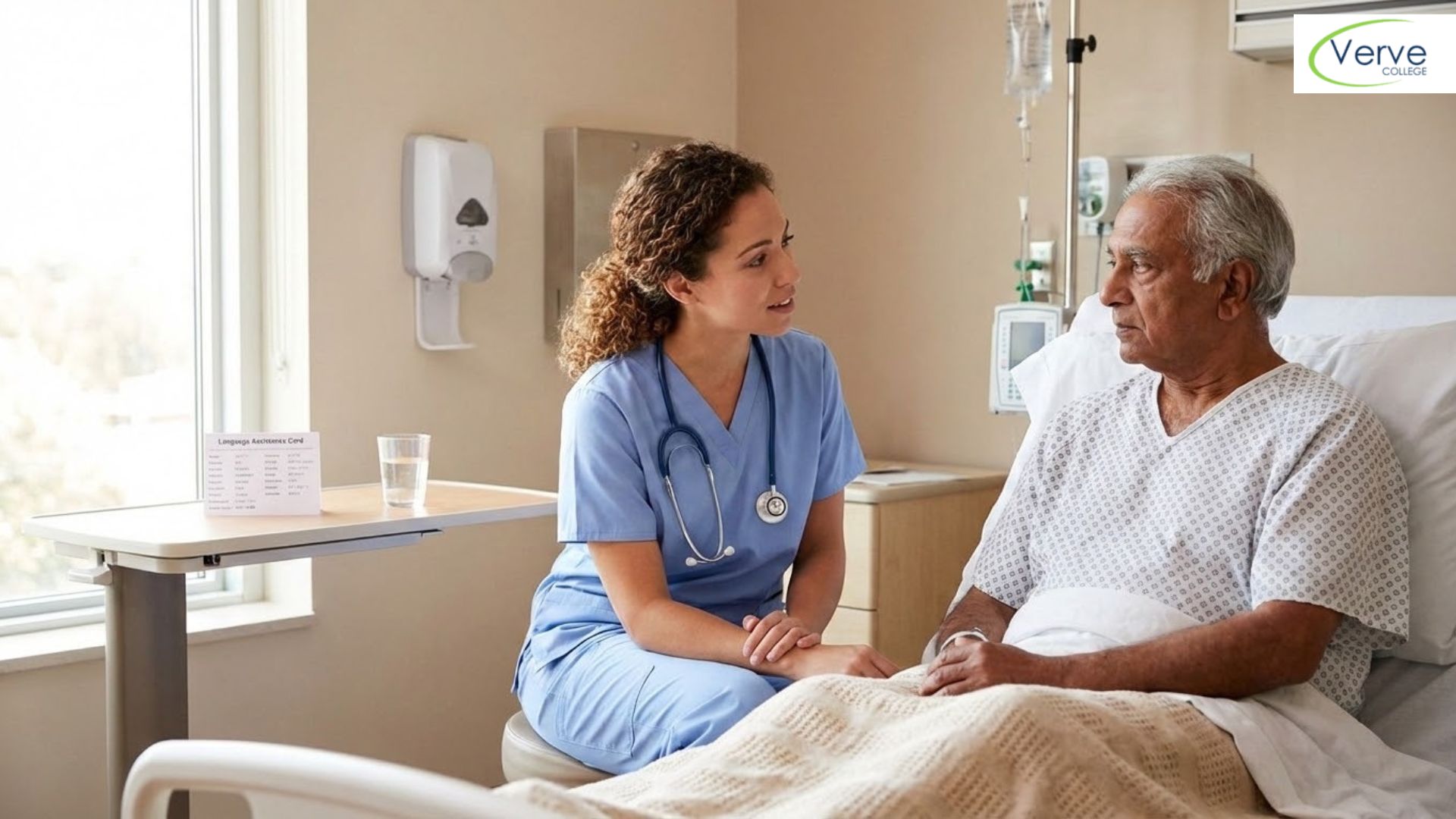
What Is Cultural Competency in Healthcare?
April 6, 2026 Read More