- Oak Brook:(630) 705-9999
- Chicago:(312) 920-8822
- Email:inquiry@vervecollege.edu
- Make a Payment
 Sign up
 Login
Login
- Home
- Programs
- Admission
- Resources
- ATI Entrance Exam Resources
- New E-Digital Library
- Refer a Friend
- School Newsletter
- Events
- Employers
- Job-Network
- Alpha Beta Kappa Candidates
- Verve College Library
- Graduation and Pinning Ceremony Photo Galleries
- Textbook Information
- Career Services
- Tutoring
- School Catalog
- FAQ
- Constitution Day Program
- Alumni
- Verve College Plans
- Financial Aid
- HEERF Reporting
- Satisfactory Academic Progress
- Apply For Financial Aid
- Net Price Calculator
- Return of Title IV Funds (R2T4)
- Financial Aid Office Code of Conduct
- Contact
- FAQs
- Verification Policy
- Vaccination Policy
- Student Right-to-Know Act
- Misrepresentation
- Information Security Program
- Academic Award Year
- Availability of Employee
- Cost of Attendance
- Health & Safety Exemption Requirement
- Students Rights and Responsibilities
- Leave of Absence
- Pell Formula
- Military Students
- Grants/ Scholarship Policy
- Contact Us
- Testimonials
- Blog
Is a Nursing Career Right For You?
Take The Free Quiz
Cultural Competence in Patient Care: Why It Matters?
Cultural Competence in Patient Care: Why It Matters?
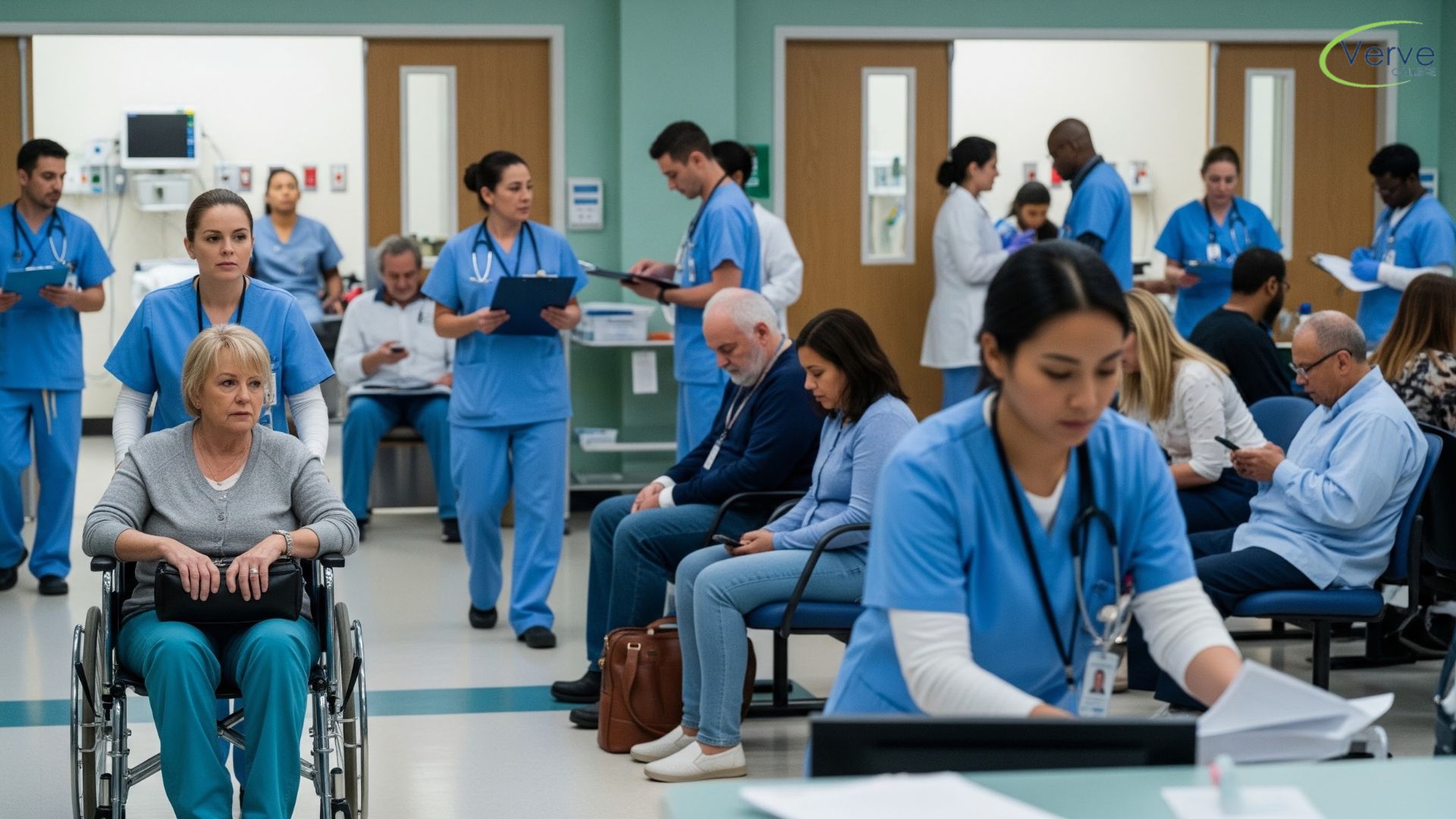
Healthcare in the United States is more diverse than ever. According to data from the U.S. Census Bureau, the population continues to grow in racial, ethnic, and linguistic diversity. At the same time, reports from the Centers for Disease Control and Prevention show that health disparities still affect minority communities at higher rates. These gaps are often linked to communication barriers, cultural misunderstandings, and unequal access to care.
This is why Cultural Competence in Patient Care: Why It Matters? is not just a topic for discussion, it is a core skill for every nurse and healthcare professional. Even students enrolled in night and weekend nursing programs must learn how to respect cultural beliefs, values, and traditions to provide safe and effective care.
Key Takeaways
- Cultural competence improves patient trust and communication.
- It reduces medical errors caused by misunderstandings.
- It helps address health disparities in diverse communities.
- It strengthens teamwork in hospitals and nursing homes.
- It prepares nursing students for real-world patient interactions.
Cultural Competence in Patient Care: Why It Matters?
Cultural competence means understanding and respecting differences in language, religion, food habits, family roles, and health beliefs. It is not about memorizing every culture. Instead, it is about developing awareness, empathy, and communication skills.
When nurses understand a patient’s cultural background, they can provide more personalized care. For example, some cultures rely heavily on family decisions in healthcare. Others may have strong beliefs about traditional remedies. If a nurse ignores these factors, patients may feel misunderstood or refuse treatment.
Cultural competence also improves patient safety. Miscommunication about symptoms, pain levels, or medication instructions can lead to serious health risks. When nurses ask open-ended questions and listen carefully, they reduce the chance of mistakes.
In nursing homes and hospitals, culturally competent care also improves patient satisfaction scores. Patients who feel respected are more likely to follow treatment plans and return for follow-up visits.
Why Cultural Competence Improves Patient Outcomes?
Research shows that patients who trust their healthcare providers are more likely to share accurate health information. Trust grows when patients feel heard and respected.
For example, language barriers can delay diagnosis. Using simple language or professional interpreters can make a big difference. Understanding dietary restrictions or religious practices also ensures that care plans are realistic and respectful.
In communities with chronic illnesses such as diabetes or hypertension, cultural competence supports better education. When nurses explain health conditions using examples that relate to a patient’s lifestyle, patients understand instructions more clearly. This leads to better medication adherence and long-term health improvements.
Role of Nursing Education in Cultural Competence
Cultural competence does not happen automatically. It must be taught and practiced during training.
Many LPN courses now include communication training, case studies, and clinical simulations that focus on diverse patient populations. Students learn how to ask sensitive questions respectfully and avoid assumptions.
Clinical rotations are especially important. When students interact with patients from different backgrounds, they gain real-life experience. They learn that each patient is unique, even within the same cultural group.
Nursing education also teaches self-awareness. Nurses must understand their own beliefs and biases. Recognizing personal bias is the first step toward fair and equal care.
Cultural Competence in Hospitals and Nursing Homes
Hospitals often treat patients from many different cultural and economic backgrounds. Nurses may care for immigrants, elderly patients, or individuals with limited English proficiency.
In nursing homes, cultural sensitivity is equally important. Older adults may have deeply rooted traditions. Food preferences, spiritual practices, and family involvement can strongly affect their emotional well-being.
When staff members respect these traditions, residents feel valued. This improves mental health, reduces anxiety, and enhances overall quality of life.
Healthcare facilities that prioritize cultural competence also benefit from stronger teamwork. Staff members from diverse backgrounds work more effectively when there is mutual respect and understanding.
How Nurses Can Build Cultural Competence
Building cultural competence is an ongoing process. It requires:
- Self-Reflection: Nurses should regularly examine their own beliefs and attitudes. Understanding personal biases helps prevent unfair treatment.
- Active Listening: Instead of assuming, nurses should ask patients about their preferences, beliefs, and concerns. Listening builds trust.
- Continuous Learning: Attending workshops, reading research, and learning about community demographics helps nurses stay informed.
- Respectful Communication: Using simple language, avoiding medical jargon, and confirming understanding improves patient safety.
These skills are not only professional requirements—they are ethical responsibilities.
Future of Cultural Competence in Healthcare
Healthcare is becoming more global. Technology, migration, and telehealth services connect patients and providers across regions. This makes cultural competence even more important.
Healthcare organizations are now including cultural awareness in policy development and quality improvement programs. Accrediting bodies also encourage diversity training as part of professional standards.
For students considering practical nursing programs in Chicago, cultural competence training can be a strong advantage. It prepares graduates to serve diverse urban populations and meet modern healthcare expectations.
Conclusion
Cultural Competence in Patient Care: Why It Matters? because it directly affects patient safety, trust, and health outcomes. In a diverse society, nurses must go beyond clinical skills and understand the human side of care.
When healthcare professionals respect cultural differences, patients feel valued and understood. This leads to better communication, fewer medical errors, and improved long-term health results. Nursing education and workplace training both play a key role in building these skills.
As healthcare continues to evolve, cultural competence will remain a core pillar of quality patient care. Nurses who embrace diversity not only improve patient experiences but also strengthen the entire healthcare system.
FAQs
1. Is cultural competence the same as cultural sensitivity?
No. Cultural sensitivity means being aware of cultural differences. Cultural competence goes further by applying that awareness in real patient care situations to improve outcomes.
2. Can cultural competence reduce hospital readmissions?
Yes. When patients clearly understand discharge instructions in a culturally appropriate way, they are more likely to follow care plans, which reduces readmission rates.
3. Does cultural competence only apply to race and ethnicity?
No. It also includes age, religion, language, disability, gender identity, and socioeconomic background. Culture is broader than ethnicity alone.
Most Popular Blogs Posts

Essential Pediatric Nursing Skills Every Student…
March 16, 2026 Read More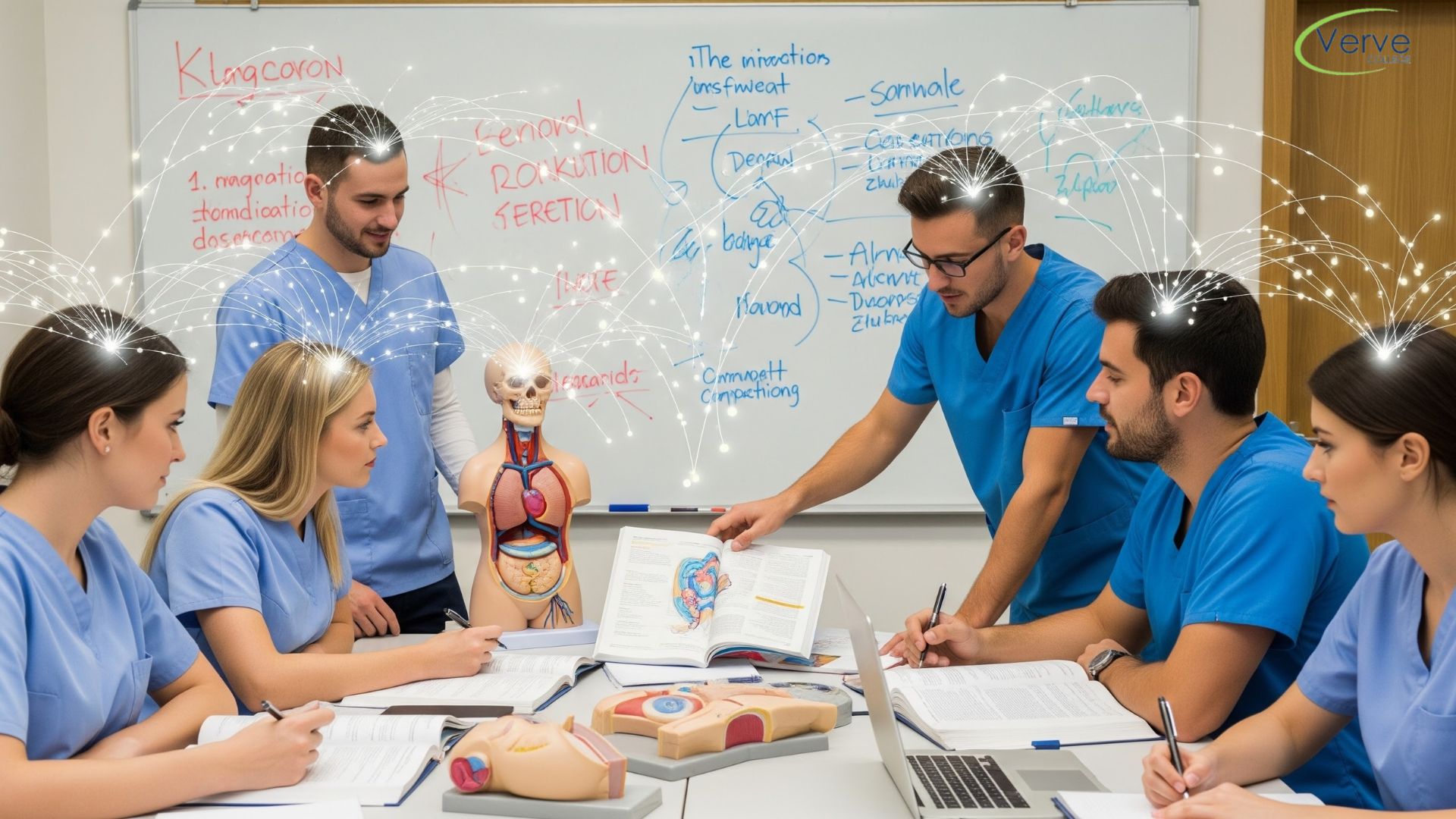
Why Knowledge Retention is Critical in…
March 11, 2026 Read More
Complete Guide to Nutrition in Nursing…
March 10, 2026 Read More
Is Acute Care Experience Necessary for…
March 6, 2026 Read More