- Oak Brook:(630) 705-9999
- Chicago:(312) 920-8822
- Email:inquiry@vervecollege.edu
- Make a Payment
 Sign up
 Login
Login
- Home
- Programs
- Admission
- Resources
- ATI Entrance Exam Resources
- New E-Digital Library
- Refer a Friend
- School Newsletter
- Events
- Employers
- Job-Network
- Alpha Beta Kappa Candidates
- Verve College Library
- Graduation and Pinning Ceremony Photo Galleries
- Textbook Information
- Career Services
- Tutoring
- School Catalog
- FAQ
- Constitution Day Program
- Alumni
- Verve College Plans
- Financial Aid
- HEERF Reporting
- Satisfactory Academic Progress
- Apply For Financial Aid
- Net Price Calculator
- Return of Title IV Funds (R2T4)
- Financial Aid Office Code of Conduct
- Contact
- FAQs
- Verification Policy
- Vaccination Policy
- Student Right-to-Know Act
- Misrepresentation
- Information Security Program
- Academic Award Year
- Availability of Employee
- Cost of Attendance
- Health & Safety Exemption Requirement
- Students Rights and Responsibilities
- Leave of Absence
- Pell Formula
- Military Students
- Grants/ Scholarship Policy
- Contact Us
- Testimonials
- Blog
Is a Nursing Career Right For You?
Take The Free Quiz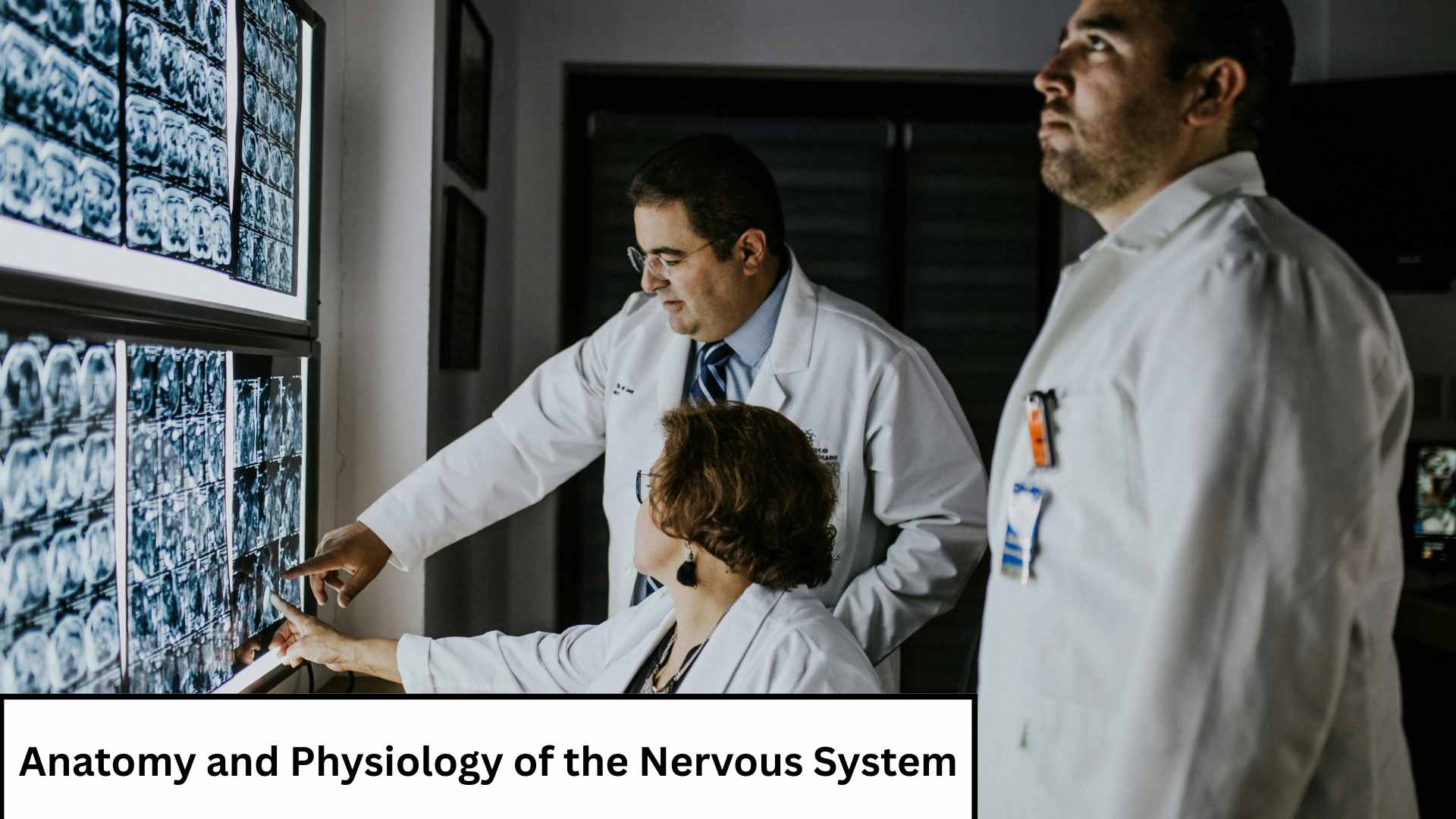
Neurological Disorders: What You’ll Learn About in A&P
Neurological Disorders: What You’ll Learn About in A&P
The nervous system controls everything from movement to memory, and when it malfunctions, it can lead to serious health issues. In 2025, reports show that 1 in 6 people globally live with a neurological disorder. Studying the anatomy and physiology of the nervous system helps students understand how the brain, spinal cord, and nerves work, and what goes wrong during illness. The A&P class provides the foundation to explore these conditions and their impact on the human body in a clear, scientific way.
Neurological Disorders
Before learning about specific disorders, A&P introduces the anatomy and physiology of the nervous system. You’ll study how neurons send signals, how the brain and spinal cord communicate, and how nerves connect to every part of the body.
This foundation helps you understand what happens when something goes wrong. You can search for ATI Nursing School resources to support your study of the nervous system and reinforce key concepts from your A&P course.
Alzheimer’s Disease
In A&P, you’ll learn how Alzheimer’s disease slowly impacts the brain’s structure and the way it works. It mainly affects memory, behavior, and thinking. You’ll study areas like the hippocampus and cortex, where neurons begin to break down, leading to loss of brain function.
Parkinson’s Disease
This condition affects body movement and is one of several neurological disorders covered in A&P. Lessons focus on dopamine, a brain chemical that helps control muscle movement. You’ll also learn about the basal ganglia, a group of brain structures that help keep your body’s motions smooth and steady.
Multiple Sclerosis
MS is a disorder where the body attacks its own nerve coverings. A&P explains how the myelin sheath helps nerves send messages. When that sheath is damaged, nerve signals slow down, causing muscle weakness and balance problems.
Patient Dehydration: Quick Nursing Care Plan
Epilepsy
Epilepsy causes repeated seizures. In A&P, you’ll learn how abnormal bursts of electrical activity in the brain lead to changes in awareness or movement. This section also helps you understand how neurons fire and how signals sometimes go off course.
Stroke
A stroke, a common neurological disorder, occurs when blood flow to the brain is disrupted. In A&P, you’ll learn how different stroke types affect movement, speech, and memory, depending on where the damage occurs.
ALS
ALS gradually destroys nerve cells in the brain and spinal cord that are responsible for sending signals to muscles. In A&P, you’ll examine how the breakdown of motor neurons affects muscle strength and how the condition worsens as communication between the brain and muscles is lost.
Meningitis
Meningitis causes inflammation in the membranes that cover and protect the brain and spinal cord. A&P covers the three layers of protective tissue and the role of cerebrospinal fluid. When those layers become inflamed, it affects brain function and can cause severe symptoms.
Peripheral Neuropathy
Peripheral neuropathy damages nerves located outside the brain and spinal cord, leading to problems with feeling and movement. In an A&P course, you’ll learn how these nerves help manage sensations, muscle control, and pain response. The lessons also cover what can lead to nerve damage, including physical trauma, infections, or conditions like diabetes.
Conclusion
Studying the anatomy and physiology of the nervous system helps you understand how the nervous system works and what happens when it doesn’t. You’ll see how conditions like stroke, Alzheimer’s, and epilepsy affect the body and why. This knowledge builds a solid foundation for future learning in healthcare or life sciences. It also helps connect real symptoms to the body. systems, making it easier to understand complex conditions and appreciate how the brain, nerves, and body work together every day.
Check out the anatomy and physiology course near me to start learning how the nervous system works and explore real-world examples of neurological disorders.
Most Popular Blogs Posts
Vital Signs Monitoring: A Complete Student…
March 26, 2026 Read More
Soft Skills That Make You a…
March 25, 2026 Read More
Compact Bone vs Spongy Bone: Key…
March 24, 2026 Read More
Can You Work While Studying LPN?…
March 24, 2026 Read More