- Oak Brook:(630) 705-9999
- Chicago:(312) 920-8822
- Email:inquiry@vervecollege.edu
- Make a Payment
 Sign up
 Login
Login
- Home
- Programs
- Admission
- Resources
- ATI Entrance Exam Resources
- New E-Digital Library
- Refer a Friend
- School Newsletter
- Events
- Employers
- Job-Network
- Alpha Beta Kappa Candidates
- Verve College Library
- Graduation and Pinning Ceremony Photo Galleries
- Textbook Information
- Career Services
- Tutoring
- School Catalog
- FAQ
- Constitution Day Program
- Alumni
- Verve College Plans
- Financial Aid
- HEERF Reporting
- Satisfactory Academic Progress
- Apply For Financial Aid
- Net Price Calculator
- Return of Title IV Funds (R2T4)
- Financial Aid Office Code of Conduct
- Contact
- FAQs
- Verification Policy
- Vaccination Policy
- Student Right-to-Know Act
- Misrepresentation
- Information Security Program
- Academic Award Year
- Availability of Employee
- Cost of Attendance
- Health & Safety Exemption Requirement
- Students Rights and Responsibilities
- Leave of Absence
- Pell Formula
- Military Students
- Grants/ Scholarship Policy
- Contact Us
- Testimonials
- Blog
Is a Nursing Career Right For You?
Take The Free Quiz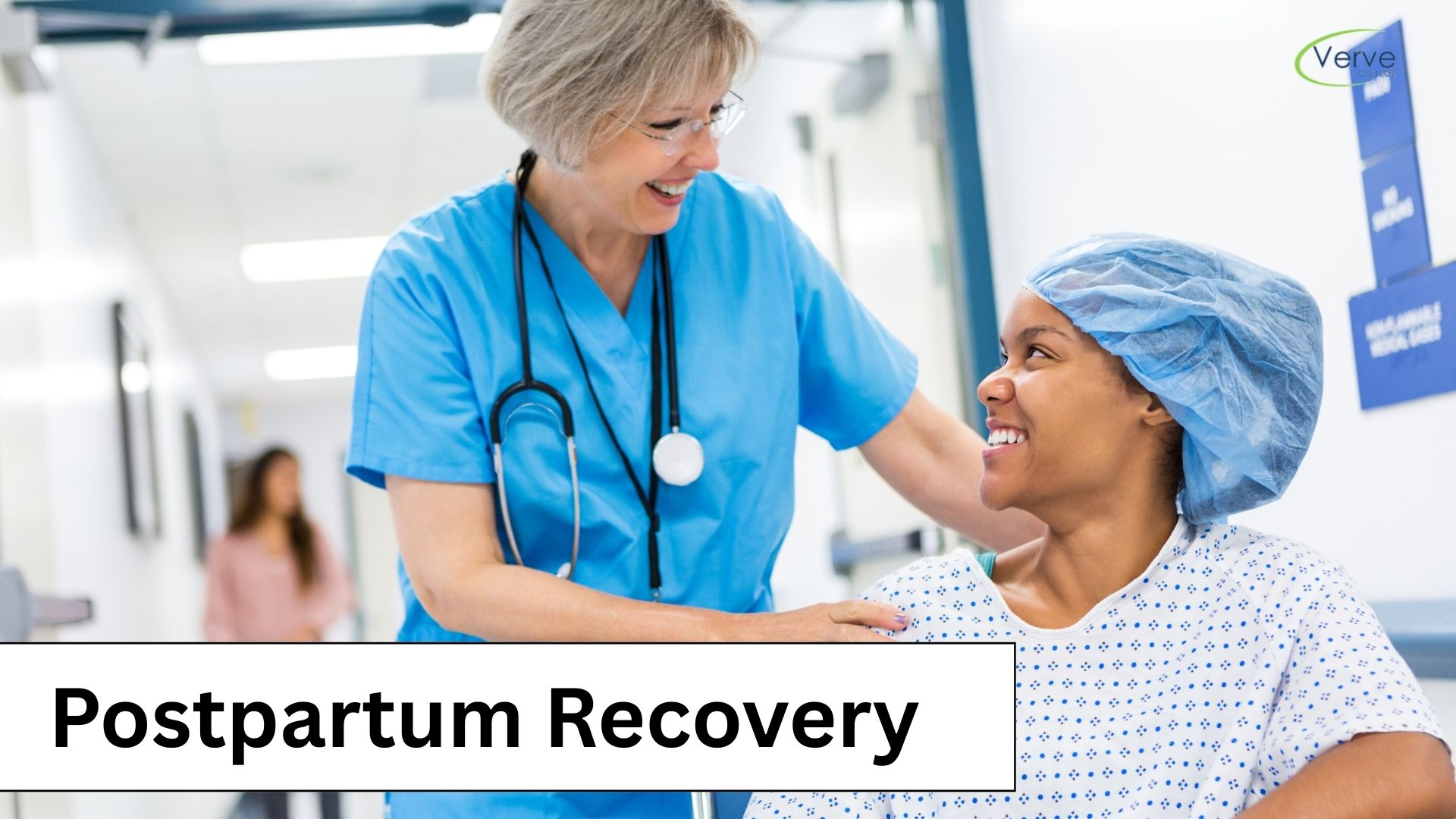
Understanding Postpartum Recovery: A Nursing Perspective
Understanding Postpartum Recovery: A Nursing Perspective
Nearly 1 in 5 mothers in the U.S. experience complications during the postpartum period, according to the CDC. Postpartum recovery is the stage right after childbirth, usually lasting 6 to 8 weeks, when a mother’s body and mind begin to heal. This period is more than just physical healing; it also involves emotional adjustment and overall well-being. In this blog, we’ll look at postpartum recovery from a nursing perspective and how proper care supports mothers during this critical time.
You can check A&P class resources to understand how the body changes during postpartum recovery.
Understanding Postpartum Recovery in Nursing Care
The postpartum recovery is the healing phase after childbirth. It lasts about 6 to 8 weeks and affects both body and mind. With proper nursing care, mothers can recover safely and confidently.
You can search for become a licensed practical nurse programs to find the right path toward a rewarding nursing career.
Physical Recovery After Childbirth
Postpartum recovery looks different for every mother, especially when comparing vaginal and cesarean births. Vaginal delivery often involves soreness, bleeding called lochia, and hormonal changes that affect energy and mood. Cesarean delivery brings additional challenges such as incision pain, longer healing time, and the need for careful wound care. Fatigue and breast discomfort are also common during this stage. Nurses play a vital role by checking vital signs, monitoring bleeding or incision healing, and offering comfort measures. They also guide mothers on proper rest, good nutrition, and the importance of easing back into daily activities.
Emotional and Mental Health Recovery
Healing after childbirth goes beyond the physical. Many mothers face mood swings, anxiety, or feelings of being overwhelmed. Some may be at risk of postpartum depression, which requires early attention. Nurses can provide emotional support by listening, offering reassurance, and screening for warning signs. They can also educate families about the importance of recognizing changes in mood or behavior. This teamwork helps mothers feel supported and less isolated during recovery, which is key to maintaining both mental health and overall well-being.
Nursing Interventions in Postpartum Care
Nursing care is central to a safe and healthy postpartum recovery. Nurses educate mothers on self-care practices such as proper hygiene, pain relief methods, and breastfeeding techniques. They monitor for complications like infection, excessive bleeding, or high blood pressure that could signal serious health risks. Support with breastfeeding, including help with latching, is another important role. Nurses also guide mothers in balancing newborn care with their own recovery needs. Licensed Practical Nurses and other nursing professionals bring both medical knowledge and compassionate support, helping mothers heal while adjusting to life after childbirth.
Conclusion
Postpartum recovery is a vital stage that blends physical healing with emotional adjustment. Mothers often face changes that require both medical attention and personal care. From monitoring for complications to offering emotional support, nurses play an important role in guiding this process. Their knowledge and compassion help mothers feel supported as they regain strength. Understanding postpartum recovery from a nursing perspective highlights the importance of skilled care in ensuring safe healing and a healthier transition into motherhood.
Want to Make a Career in Nursing? Get More Information About Our Courses!
Check out the details of anatomy and physiology classes near me to start building a strong foundation in healthcare.
Most Popular Blogs Posts
Vital Signs Monitoring: A Complete Student…
March 26, 2026 Read More
Soft Skills That Make You a…
March 25, 2026 Read More
Compact Bone vs Spongy Bone: Key…
March 24, 2026 Read More
Can You Work While Studying LPN?…
March 24, 2026 Read More