Sign up
 Login
Login
Is a Nursing Career Right For You?
Take The Free Quiz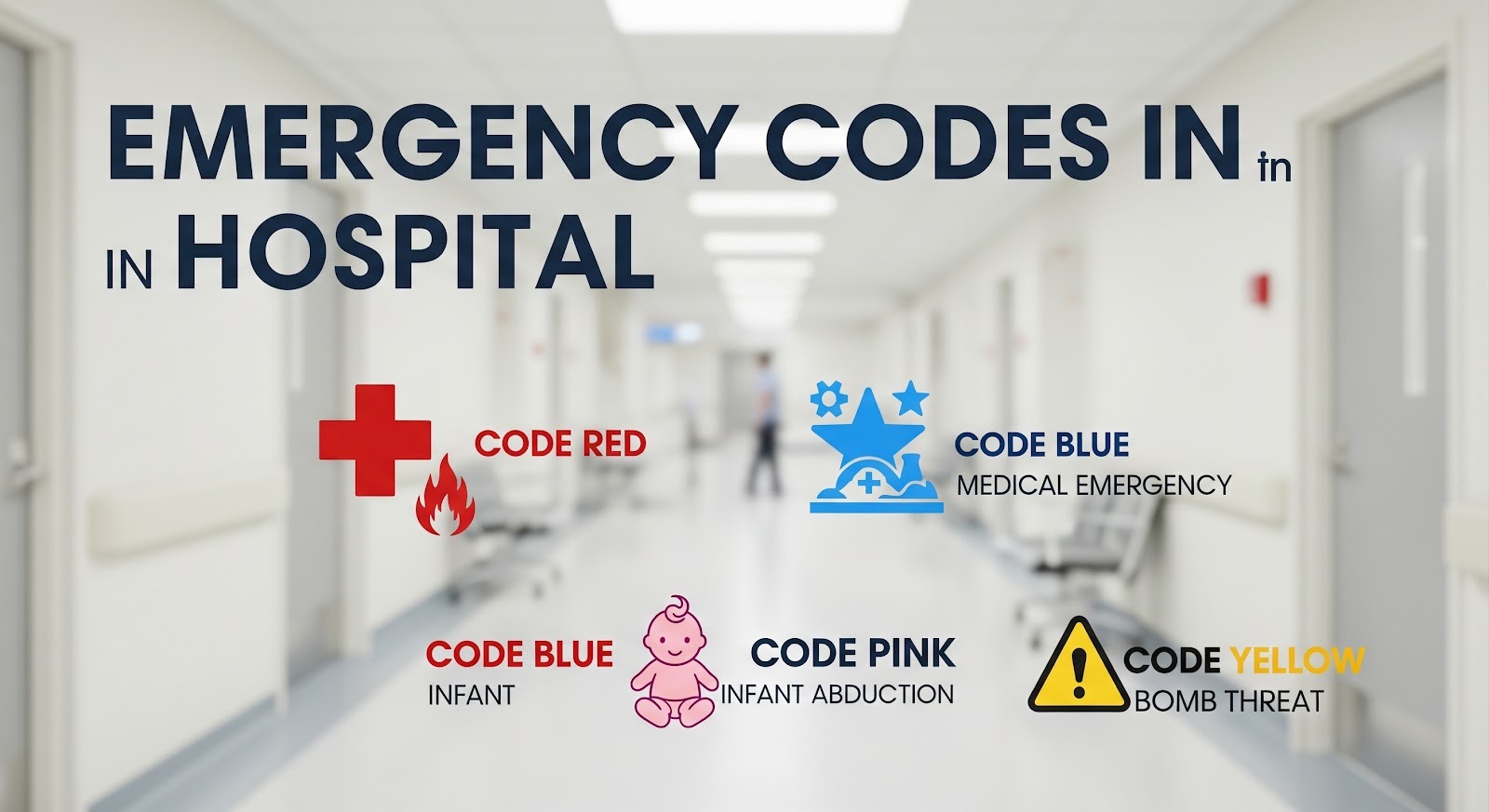
Hospital Emergency Codes Explained (Code Blue, Red, Green & More)
Hospital Emergency Codes Explained (Code Blue, Red, Green & More)
Hospital emergency codes are standardized color-coded alerts used to communicate critical situations quickly and discreetly. These codes help doctors, nurses, and hospital staff respond immediately to medical emergencies, fires, security threats, and disasters. In this guide, we explain the meaning of common hospital codes such as Code Blue, Code Red, Code Green, and more.
Key Takeaways
- Hospital emergency codes are standardized alerts that help staff respond to emergencies swiftly.
- Each code (color or phrase) corresponds to a specific event, such as cardiac arrest, fire, or missing person.
- Knowing these codes is critical for nurses and healthcare professionals to act quickly and save lives.
- Training on emergency protocols is included in programs like Night and Weekend LPN Programs for aspiring nurses.

What Are Hospital Emergency Codes?
Hospital emergency codes are short, standardized messages used to communicate urgent situations discreetly. They allow healthcare professionals to act without spreading panic among patients or visitors. Each hospital may have slightly different codes, but most follow national or state guidelines to maintain consistency.
These codes are often announced over hospital intercoms, such as “Code Blue, Room 201,” prompting trained staff to rush to the scene immediately.
Why Hospitals Use Color Codes Instead of Plain Language?
Hospitals use color codes to avoid panic. If staff say “fire” or “active shooter” loudly, patients and visitors may feel scared. Color codes help staff communicate quickly and calmly. Only trained workers understand what each code means. This keeps the hospital safe and organized. It also helps doctors and nurses respond faster during emergencies. Color codes make communication clear without causing fear.
Common Types of Hospital Emergency Codes
1. Code Blue – Medical Emergency
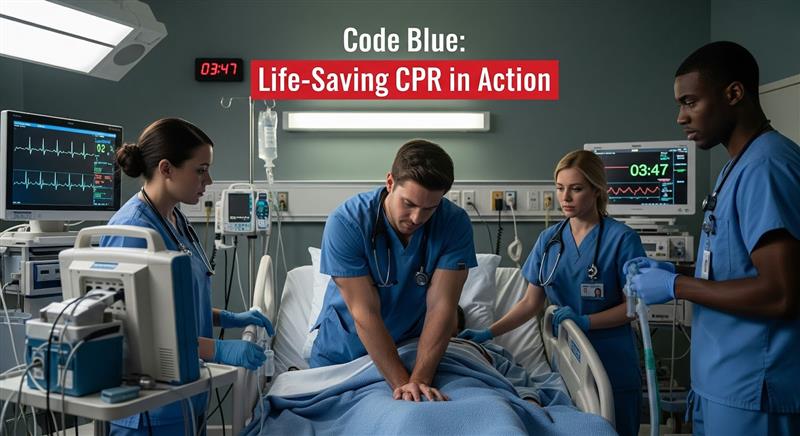
“Code Blue” is the most recognized hospital code. It usually indicates a cardiac arrest or medical emergency where immediate resuscitation (CPR) is required. Nurses and doctors trained in life support procedures respond instantly to provide care. Learn more about Code Blue hospital meaning here.
2. Code Red – Fire or Smoke
“Code Red” alerts staff about a fire, smoke, or potential fire hazard within the hospital. Employees follow safety protocols like moving patients to safety, shutting doors, and notifying emergency services.
3. Code Black – Bomb Threat
“Code Black” is issued when there is a suspected or confirmed bomb threat. Staff follow evacuation or safety measures based on the threat’s location and severity.
4. Code Pink – Infant or Child Abduction
“Code Pink” signals that an infant or child is missing or suspected to have been abducted. Security and staff immediately lock down all hospital exits and monitor surveillance cameras to locate the child.
5. Code Orange – Hazardous Material Spill
“Code Orange” means there’s been a chemical or hazardous material spill. Trained staff handle cleanup and ensure that patients and employees remain safe.
6. Code Yellow – Disaster Preparedness
“Code Yellow” indicates an external or internal disaster, such as a mass casualty incident or severe weather. Hospitals activate emergency plans to manage patient influx and maintain order.
7. Code Silver – Active Shooter or Weapon Threat
“Code Silver” alerts hospital staff to an active shooter or person with a weapon. Staff follow lockdown procedures to protect patients and themselves until authorities arrive.
8. Code Green – Evacuation
“Code Green” is used when evacuation is necessary, either from a particular area or the entire hospital. This code ensures that all staff work together to relocate patients safely.
9. Code White – Violent Person or Aggression
“Code White” notifies staff of a violent or aggressive person in the hospital. Security and trained personnel respond to de-escalate the situation safely.
Why Knowing Hospital Codes Matters for Nurses?
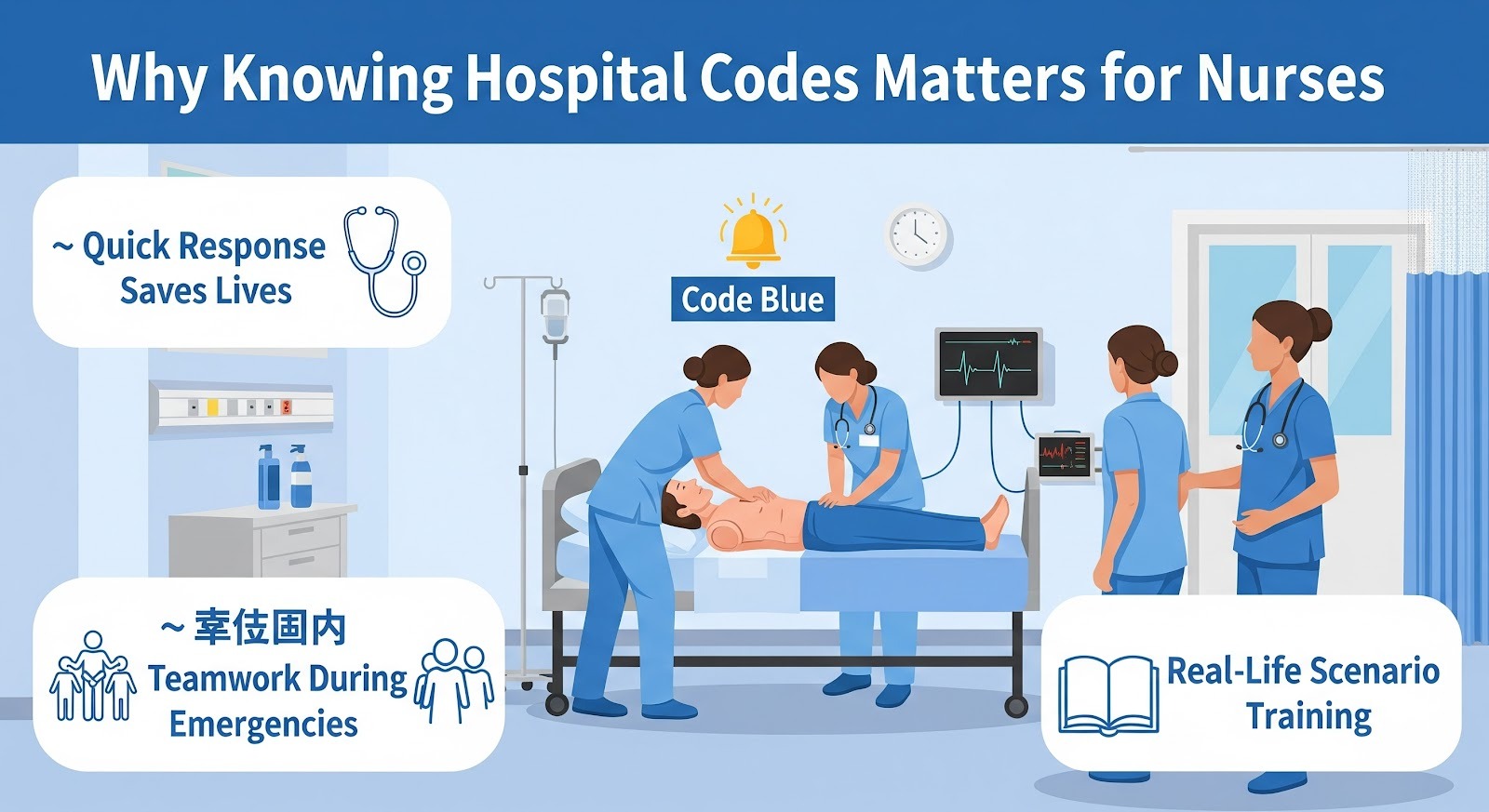
Understanding hospital emergency codes is crucial for every nurse and healthcare professional. Quick response and teamwork can save lives during emergencies. Nursing students learn to interpret and react to these codes as part of their clinical training.
Nursing programs prepare students to handle real-life emergency situations confidently.
How Hospital Staff Are Trained?
Hospitals conduct regular emergency drills to ensure all staff members know what to do when a code is announced. From proper communication to hands-on response, these exercises build confidence and preparedness. Nurses play a vital role during such events, as they are often the first to respond to emergencies.
Are Hospital Codes Standard Across the U.S.?
Hospital codes are not exactly the same everywhere in the United States. Many hospitals use similar color codes like Code Blue for medical emergencies and Code Red for fire. However, some meanings can vary by state or hospital system. That is why staff members are trained based on their hospital’s specific policies. National safety groups encourage standard codes to reduce confusion. Even so, healthcare workers always follow their hospital’s official emergency guidelines.
Conclusion
Understanding emergency codes in hospital environments is an essential skill for anyone working in healthcare. These codes ensure that every team member knows how to respond to urgent situations calmly and effectively. Whether you’re a student or an experienced nurse, knowing what each code means can make a life-saving difference. To gain this knowledge through practical training, nursing schools near me include training on emergency preparedness and patient safety.
FAQs
- What does Code Blue mean in a hospital?
Code Blue indicates a medical emergency, typically cardiac arrest, requiring immediate life-saving intervention. - Are hospital codes the same everywhere?
Not always. Most hospitals follow similar color codes, but meanings can vary by region or institution, so staff are trained according to their hospital’s policies. - Why are emergency codes used instead of plain language?
Codes are used to prevent panic among patients and visitors while allowing hospital staff to communicate emergencies quickly and discreetly.
Want to Make a Career in Nursing? Get More Information About Our Courses!
Most Popular Blogs Posts

Vital Signs Monitoring: A Complete Student…
March 26, 2026 Read More
Soft Skills That Make You a…
March 25, 2026 Read More
Compact Bone vs Spongy Bone: Key…
March 24, 2026 Read More
Can You Work While Studying LPN?…
March 24, 2026 Read More