- Oak Brook:(630) 705-9999
- Chicago:(312) 920-8822
- Email:inquiry@vervecollege.edu
- Make a Payment
 Sign up
 Login
Login
- Home
- Programs
- Admission
- Resources
- ATI Entrance Exam Resources
- New E-Digital Library
- Refer a Friend
- School Newsletter
- Events
- Employers
- Job-Network
- Alpha Beta Kappa Candidates
- Verve College Library
- Graduation and Pinning Ceremony Photo Galleries
- Textbook Information
- Career Services
- Tutoring
- School Catalog
- FAQ
- Constitution Day Program
- Alumni
- Verve College Plans
- Financial Aid
- HEERF Reporting
- Satisfactory Academic Progress
- Apply For Financial Aid
- Net Price Calculator
- Return of Title IV Funds (R2T4)
- Financial Aid Office Code of Conduct
- Contact
- FAQs
- Verification Policy
- Vaccination Policy
- Student Right-to-Know Act
- Misrepresentation
- Information Security Program
- Academic Award Year
- Availability of Employee
- Cost of Attendance
- Health & Safety Exemption Requirement
- Students Rights and Responsibilities
- Leave of Absence
- Pell Formula
- Military Students
- Grants/ Scholarship Policy
- Contact Us
- Testimonials
- Blog
Is a Nursing Career Right For You?
Take The Free Quiz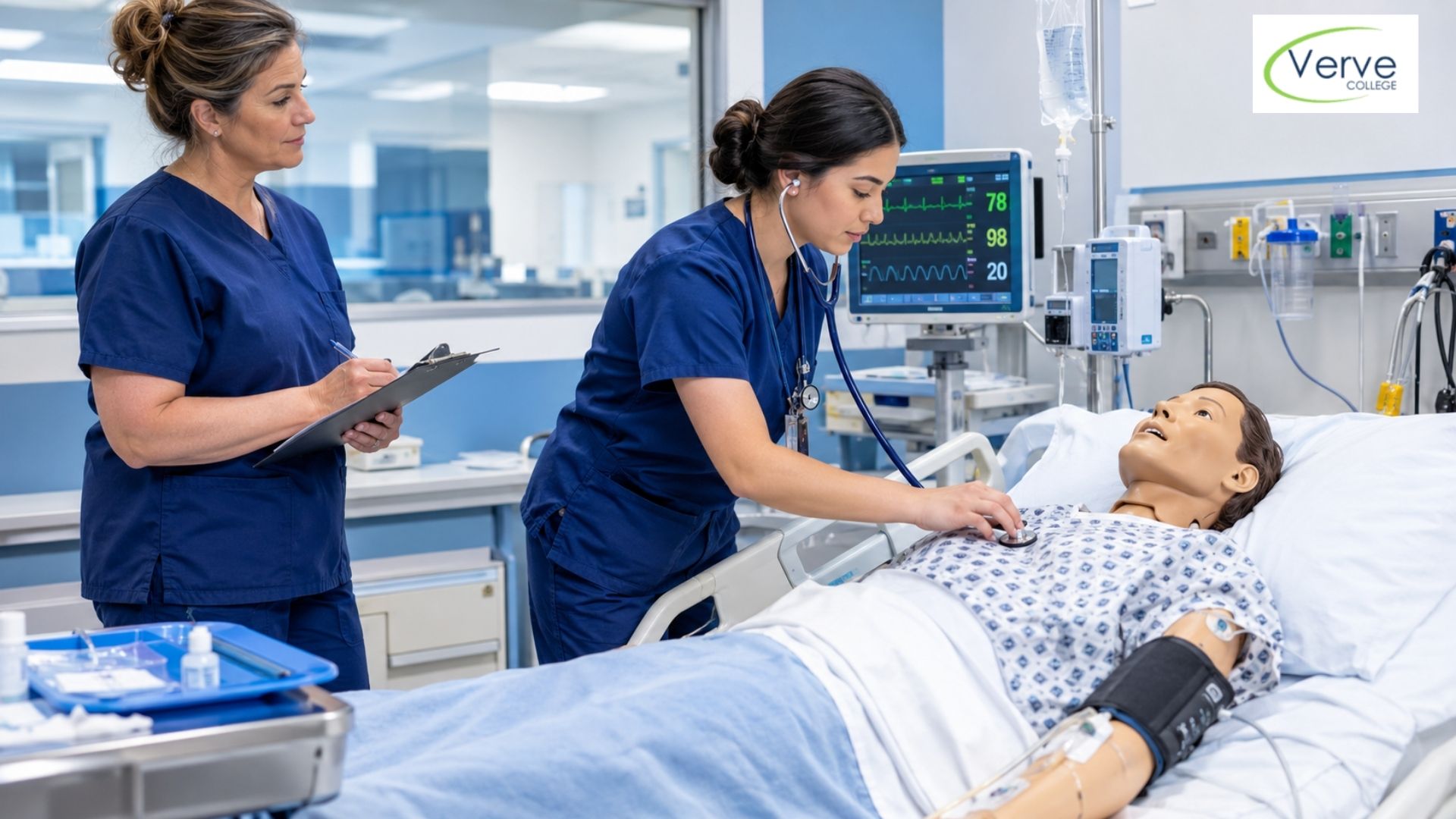
High-Fidelity Simulation in Nursing: How Realistic Training Works
High-Fidelity Simulation in Nursing: How Realistic Training Works
Before practicing nursing skills on real patients, nursing students need safe environments to learn, practice mistakes, and build confidence. High-fidelity simulation provides exactly this. High-fidelity simulation uses realistic patient simulators and clinical environments allowing students to practice complex nursing skills, make decisions, and respond to changing patient conditions without putting actual patients at risk. For aspiring practical nurses, understanding how high-fidelity simulation works reveals how modern nursing education bridges the gap between classroom learning and real clinical practice. Simulation-based nursing education has become essential in preparing competent, confident nurses for patient care.
Key Takeaways
- High-fidelity simulation uses realistic patient simulators and clinical scenarios to provide realistic nursing practice.
- Students can practice assessment, communication, clinical skills, and decision-making in a controlled, safe environment.
- High-fidelity simulation allows students to learn from mistakes without putting real patients at risk.
- Debriefing after simulations helps students reflect on performance and improve clinical reasoning.
- High-fidelity simulation complements and enhances real clinical experience but doesn’t replace actual patient care.
- Realistic simulation environments, lifelike simulators, and instructor feedback create effective learning experiences.
- Quality nursing programs include robust simulation opportunities as part of comprehensive nursing education.
- When choosing nursing programs, evaluate simulation equipment, scenarios, instructor involvement, and frequency.
What Is High-Fidelity Simulation in Nursing?
High-fidelity simulation in nursing refers to realistic, interactive training using sophisticated patient simulators and clinical environments. Unlike basic skills-practice dolls, high-fidelity simulation involves lifelike mannequins that respond to nursing interventions, change vital signs, display symptoms, and react to medications and treatments.
High-fidelity simulation creates realistic scenarios students encounter in actual healthcare settings. A patient might present with chest pain, shortness of breath, and abnormal vital signs. Students must assess, recognize the problem, communicate findings, and intervene appropriately. The scenario can change unexpectedly, forcing students to adapt and make new decisions.
The key word is “fidelity,” meaning realism. High-fidelity simulators look like real patients, respond realistically to care, and present scenarios matching actual patient presentations. This realism creates authentic learning experiences helping students transfer skills to real clinical situations.
How Does High-Fidelity Nursing Simulation Work?
High-fidelity simulation typically follows a structured process.
Scenario Setup: An instructor creates a clinical scenario describing the patient’s history, current condition, and vital signs. Students receive handoff information just like in real nursing.
Initial Assessment: Students approach the simulator and begin assessment. They check vital signs, listen to lung sounds, assess skin color and perfusion, and gather information.
Clinical Intervention: Based on assessment findings, students perform nursing interventions. They may start IV lines, administer medications, provide oxygen, reposition the patient, or communicate with physicians.
Scenario Evolution: As students intervene, the simulator responds. Heart rate changes. Oxygen saturation improves or worsens. The patient “responds” to treatment. This dynamic response makes scenarios realistic.
Instructor Observation: An instructor observes from a control room or nearby, monitoring student performance. The instructor can adjust the scenario, introduce complications, or observe how students handle unexpected changes.
Teamwork: Many simulations involve multiple students, creating teamwork and communication practice. One student may assess while another performs interventions and a third communicates with the “physician.”
Debriefing: After the simulation, students and instructor review what happened. They discuss what went well, what could improve, how clinical decisions were made, and how to apply the experience to future patient care.
What Makes a Simulation “High Fidelity”?
Several features distinguish high-fidelity simulation from basic practice.
Realistic Patient Simulators: High-fidelity simulators are sophisticated mannequins with detailed human anatomy. They have realistic skin, moveable joints, and lifelike facial features. Students can perform accurate physical assessments.
Vital Sign Changes: Simulators display realistic vital signs on monitors. Heart rate, blood pressure, oxygen saturation, and respiratory rate change based on simulated conditions and student interventions. Students must interpret these vital signs appropriately.
Physiological Responses: Simulators respond to nursing actions. Administering oxygen improves oxygen saturation. Giving medications changes heart rate or blood pressure. Students see consequences of their interventions in real time.
Breath and Heart Sounds: High-fidelity simulators produce realistic breath sounds (normal, wheezes, crackles) and heart sounds. Students practice auscultation skills using the same assessment techniques required in clinical practice.
Realistic Clinical Environments: Simulations occur in environments resembling real hospital rooms or clinical settings. Beds, equipment, monitors, supplies, and layout match actual healthcare settings.
Unexpected Changes: Scenarios can introduce unexpected problems. A stable patient might suddenly deteriorate. Students must respond to changing conditions, mimicking the unpredictability of real patient care.
What Nursing Students Practice During High-Fidelity Simulation
High-fidelity simulation in nursing provides opportunities practicing essential clinical skills.
Patient Assessment: Students perform comprehensive head-to-toe assessments, learning to gather information systematically and identify abnormal findings.
Vital Sign Monitoring: Students practice measuring and interpreting blood pressure, heart rate, respiratory rate, temperature, and oxygen saturation. They learn to recognize normal versus abnormal values.
Clinical Skills: Depending on program level, students practice skills like starting IV lines, inserting catheters, administering medications, wound care, and other hands-on procedures.
Clinical Reasoning: High-fidelity simulation requires students to interpret assessment findings, recognize patient problems, and make appropriate clinical decisions. This develops critical thinking essential for nursing practice.
Communication: Students practice communicating assessment findings to physicians, reporting concerns clearly and accurately. They practice handoff communication between caregivers.
Documentation: Students learn to document assessment findings, interventions, and patient responses appropriately using medical record systems.
Prioritization: Students practice deciding which patient problems need immediate attention and which can wait. They learn to manage multiple patient needs simultaneously.
Emergency Response: Students practice recognizing emergencies and responding appropriately. They may practice CPR, responding to severe allergic reactions, or managing other crises.
Teamwork: Multi-student simulations develop communication, delegation, and teamwork skills essential in real nursing practice.
Why High-Fidelity Simulation Is Important in Nursing Education
High-fidelity simulation addresses critical learning needs.
Safe Learning Environment: Students can make mistakes, learn from them, and correct approaches without harming real patients. This safety allows risk-taking essential for learning.
Confidence Building: Practicing skills repeatedly in simulation builds confidence before encountering real patients. Students know what to expect.
Complex Scenario Practice: High-fidelity simulation allows practicing complex, rare scenarios that students might not encounter frequently in clinical practice. A student might practice managing a patient in shock or responding to cardiac arrest.
Immediate Feedback: Instructors provide immediate feedback on performance. Students understand what they did well and what needs improvement while the experience is fresh.
Standardized Experiences: All students encounter the same scenarios, ensuring consistent learning. Clinical experiences vary widely between students; high-fidelity simulation standardizes essential skill practice.
Bridge to Clinical Practice: Simulation connects classroom theory to real patient care. Students understand why assessment matters, why communication is critical, and why clinical reasoning is essential.
The Role of Debriefing After High-Fidelity Simulation
Debriefing is arguably the most important part of high-fidelity simulation. Debriefing is the structured reflection after simulation where students and instructors review what happened, discuss clinical reasoning, and identify learning points.
During debriefing, instructors ask students what they observed, what assessment findings concerned them, what decisions they made and why, what went well, and what they’d do differently next time. This reflection solidifies learning.
Instructors might ask, “What made you concerned about the patient’s oxygenation?” or “Why did you decide to call the physician at that point?” These questions help students articulate clinical reasoning and understand their decision-making process.
Debriefing also provides psychological safety. Mistakes made during simulation are learning opportunities. The instructor emphasizes that simulations are practice environments where errors are expected and valuable for learning.
High-Fidelity Simulation vs. Traditional Nursing Practice
Classroom instruction teaches nursing theory and knowledge. Skills labs allow practicing basic skills on simple models. High-fidelity simulation adds realistic complexity and decision-making. Clinical experience provides real patient care with experienced nurses.
Each approach serves a purpose. Classroom provides foundational knowledge. Skills labs develop basic technique. High-fidelity simulation combines knowledge, skills, and clinical reasoning in realistic scenarios. Clinical practice applies everything in real situations with actual patients.
High-fidelity simulation doesn’t replace clinical experience. Real patients, real consequences, and real clinical complexity can’t be fully replicated. However, simulation prepares students to learn more effectively during clinical practice by providing foundational skill and confidence.
How High-Fidelity Simulation Prepares Practical Nursing Students
For practical nursing students, high-fidelity simulation in nursing is particularly valuable. LPNs work in fast-paced environments requiring quick assessment and decision-making. Simulation practice develops these skills.
Simulation helps practical nursing students practice the quick assessments and timely communication their role requires. LPNs must recognize changes in patient condition and report to RNs or physicians. Simulation develops these observation and communication skills.
High-fidelity simulation also builds confidence in practical nursing students. Many are career changers or adult learners who may feel uncertain in healthcare settings. Practicing in simulation first makes their transition to actual patient care less overwhelming.
Quality hands-on nursing education in Illinois includes robust simulation opportunities. When evaluating programs, ask about simulation access and frequency.
How to Evaluate Simulation Opportunities When Choosing a Nursing Program
When comparing nursing programs, ask about simulation.
Equipment and Realism: What simulators does the program use? Are they high-fidelity mannequins or basic models? Do they display vital signs and respond to interventions realistically?
Scenario Types: What clinical scenarios do students practice? Do they include common presentations and emergencies? Are scenarios based on actual nursing practice?
Instructor Involvement: Do instructors facilitate simulations and provide debriefing? Quality simulation requires skilled instructor facilitation.
Simulation Frequency: How often do students participate in high-fidelity simulation? Is it woven throughout the program or limited to specific courses?
Access: Can students access simulation labs for independent practice, or only during scheduled sessions?
Integration with Clinical: How does the program connect simulation experiences to actual clinical practice?
Programs with practical nursing training in Oak Brook or other locations should provide detailed information about simulation resources. When evaluating programs, ask to tour simulation labs and observe if possible.
Simulation and Different Learning Formats
Whether students pursue traditional classroom education or flexible nursing education options, hands-on simulation remains important. Hybrid or online programs may schedule simulation differently, but high-quality programs include realistic skill and simulation practice.
Ask programs how they provide hands-on learning if the program is partially online. Quality online-hybrid programs schedule in-person sessions including simulation and skills practice.
Key Takeaways
- High-fidelity simulation uses lifelike patient simulators and realistic clinical scenarios for nursing practice.
- Simulation provides safe learning environments where students can practice without risking patient harm.
- High-fidelity simulation in nursing develops assessment, clinical reasoning, communication, and teamwork skills.
- Debriefing after simulations helps students reflect on performance and improve clinical practice.
- Simulation bridges classroom theory and clinical practice, preparing students for real patient care.
- Different nursing programs vary in simulation resources and frequency. Evaluate simulation opportunities when choosing programs.
- High-fidelity simulation complements but doesn’t replace real clinical experience.
- Realistic simulators, authentic scenarios, and skilled instructor facilitation create effective simulation-based learning.
Conclusion
High-fidelity simulation in nursing has transformed nursing education by providing realistic practice environments where students develop clinical skills, decision-making abilities, and confidence before encountering real patients. Nursing students benefit tremendously from practicing complex assessments, responding to changing patient conditions, and working through emergencies in safe, supervised simulations. This bridge between classroom knowledge and clinical practice helps students transfer learning to real patient care more effectively.
When pursuing nursing education, prioritize programs offering quality nursing simulation labs with realistic equipment, varied scenarios, skilled instructors, and regular practice opportunities. High-fidelity simulation, combined with quality clinical experiences, prepares competent, confident nurses ready for the challenges of patient care. As healthcare continues evolving, simulation-based nursing education remains essential for developing safe, skilled nursing professionals.
Get Your Nursing Career Training Readiness Score Now!
Frequently Asked Questions
What is high-fidelity simulation in nursing?
High-fidelity simulation in nursing uses realistic patient simulators (sophisticated mannequins) and clinical scenarios to provide practice opportunities for nursing students. Unlike basic practice dolls, high-fidelity simulators display vital signs, respond to nursing interventions, produce realistic sounds, and simulate patient responses. This realism creates authentic learning experiences allowing students to practice assessment, clinical skills, decision-making, and communication in controlled environments before working with real patients.
What skills can nursing students practice through high-fidelity simulation?
Nursing students can practice patient assessment, vital sign monitoring, clinical skills (IV starts, medication administration, wound care), clinical reasoning and decision-making, communication and reporting, documentation, prioritization, emergency response, and teamwork. High-fidelity simulation allows practicing complex scenarios and emergencies that students might not encounter frequently in actual clinical practice, ensuring all graduates develop essential nursing competencies.
Does high-fidelity simulation replace clinical experience?
No. High-fidelity simulation complements clinical experience but doesn’t replace it. Simulation provides safe practice in realistic scenarios with immediate instructor feedback. Clinical experience provides actual patient care, real consequences, real complexity, and exposure to the full range of patient situations. Quality nursing programs combine both: simulation to build foundational skills and confidence, plus real clinical practice to apply those skills with actual patients and experienced mentors.
Most Popular Blogs Posts
High-Fidelity Simulation in Nursing: How Realistic…
September 24, 2026 Read More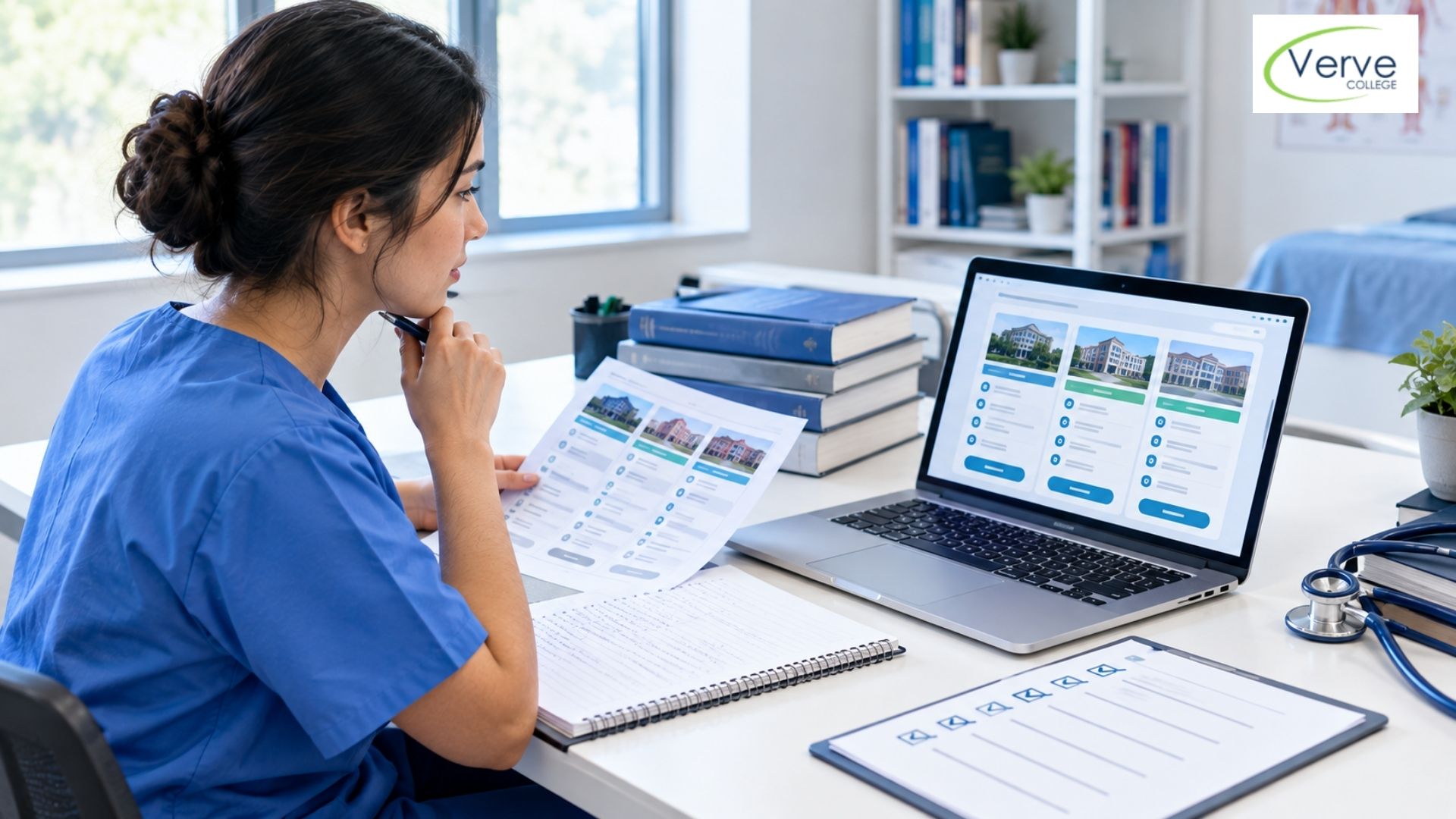
How to Compare Nursing Programs Before…
September 23, 2026 Read More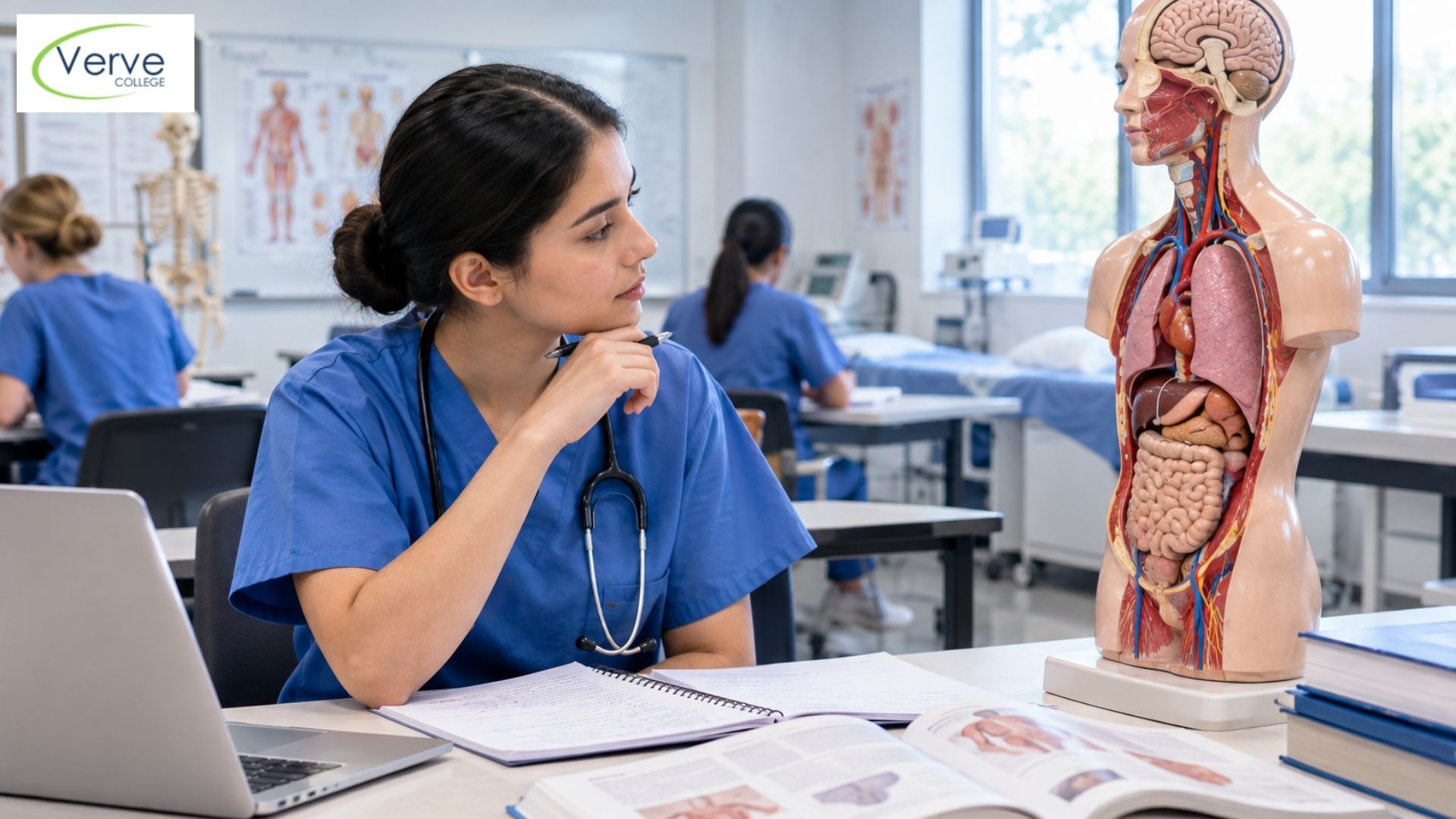
Thermoregulation: How the Body Regulates Temperature
September 23, 2026 Read More
Nursing Grants vs Scholarships: What’s the…
September 22, 2026 Read More