-
Oak Brook
📍📞 630-705-99992625 Butterfield Rd. Suite 102E
Oak Brook, IL 60523📠 Fax: 630-705-1422✉️ inquiry@vervecollege.edu 🗺️ Open in Google Maps 🍎 Open in Apple Maps🕒Office HoursMon–Fri: 9:30 AM – 6:00 PM
Sat: 8:00 AM – 12:00 PM
Sun: Closed -
Chicago
📍📞 312-920-8822216 W. Jackson Blvd. Suite 900
Chicago, IL 60606📠 Fax: 630-705-1422✉️ inquiry@vervecollege.edu 🗺️ Open in Google Maps 🍎 Open in Apple Maps🕒Office HoursMon–Fri: 9:30 AM – 6:00 PM
Sat: 8:00 AM – 12:00 PM
Sun: Closed - Email:inquiry@vervecollege.edu
- Make a Payment
 Sign up
 Login
Login
- Home
- Programs
- Admission
- Resources
- ATI Entrance Exam Resources
- New E-Digital Library
- Refer a Friend
- School Newsletter
- Events
- Employers
- Job-Network
- Alpha Beta Kappa Candidates
- Verve College Library
- Graduation and Pinning Ceremony Photo Galleries
- Textbook Information
- Career Services
- Tutoring
- School Catalog
- FAQ
- Constitution Day Program
- Alumni
- Verve College Plans
- Financial Aid
- HEERF Reporting
- Satisfactory Academic Progress
- Apply For Financial Aid
- Net Price Calculator
- Return of Title IV Funds (R2T4)
- Financial Aid Office Code of Conduct
- Contact
- FAQs
- Verification Policy
- Vaccination Policy
- Student Right-to-Know Act
- Misrepresentation
- Information Security Program
- Academic Award Year
- Availability of Employee
- Cost of Attendance
- Health & Safety Exemption Requirement
- Students Rights and Responsibilities
- Leave of Absence
- Pell Formula
- Military Students
- Grants/ Scholarship Policy
- Contact Us
- Testimonials
- Blog
Is a Nursing Career Right For You?
Take The Free QuizHow LPNs Ensure Immunization Compliance in Public Health Clinics
How LPNs Ensure Immunization Compliance in Public Health Clinics
Managing vaccines is a huge responsibility that goes far beyond just giving a quick shot. For families and communities, tracking medical records can be confusing and stressful. As a practical nurse in a public health clinic, managing immunization compliance is one of your most important jobs. This guide will show you exactly how nurses keep communities safe by organizing schedules, educating patients, and preventing disease outbreaks.
Key Takeaways
- Understand what immunization compliance means for community health and school safety.
- Learn how practical nurses manage complex vaccine schedules and patient records daily.
- Discover how structured practical nursing programs train you for these exact public health roles.
- See how clear communication builds trust with nervous patients and worried parents.
- Find out how proper medication storage protects the clinic supply and patient health.
What is Immunization Compliance?
In the medical field, compliance means following established rules and health guidelines. When we talk about vaccines, it means making sure patients receive the right shots at the correct times. National health organizations create specific schedules to protect people from serious preventable illnesses.
Public health clinics rely on strict record keeping to track these details. Nurses must review patient files to see which shots a person has already had and which ones they still need. Keeping everyone up to date creates a shield of protection across entire neighborhoods and school districts.
Why Tracking Vaccine Schedules Matters
Missing a scheduled vaccine leaves a person highly vulnerable to dangerous infections. It also puts the wider community at risk, especially those with weak immune systems who cannot get vaccinated themselves. This is why local health departments take these schedules so seriously.
Schools and daycares require strict proof of these medical records before allowing children to attend classes. Practical nurses play a crucial role in auditing these files to ensure no vital steps are missed. By catching missing doses early, nurses help parents avoid sudden stress right before the school year begins.
How LPNs Manage Vaccine Storage and Safety
Vaccines are very delicate medications that must be handled with intense care. They must be stored at highly specific temperatures to work correctly inside the body. If a clinic refrigerator gets too warm or too cold, the medication can lose its power and become completely useless.
Nurses are responsible for checking and logging these storage temperatures multiple times a day. This strict routine protects the clinic supply and ensures every patient receives an effective dose. Taking foundational anatomy and physiology classes helps you understand exactly how these sensitive vaccines interact with the human immune system to build antibodies.
Educating Patients and Building Trust
Many parents feel anxious or confused about the sheer number of shots their child needs during early development. A great nurse takes the time to explain the benefits and potential mild side effects clearly. You will often sit with families to answer their questions before any needles are prepared.
Using plain language instead of heavy medical jargon helps calm nerves and builds lasting trust. Providing printed schedules gives families a clear, easy to follow roadmap for their next visit. When patients feel heard and respected, they are much more likely to return for their follow up appointments.
A Common Misconception About Public Health Nursing
Many people mistakenly think working in a clinic just means giving injections all day long in a repetitive loop. In reality, a practical nurse acts as a vital community educator, a meticulous record keeper, and a strong advocate for public safety. Giving the actual shot is only a very small part of the overall process.
Your ability to organize complex data and communicate well is just as vital as your clinical hands on skills. You will spend a large portion of your day reviewing charts, solving scheduling puzzles, and speaking directly with families about their health goals.
Your Next Steps Toward a Public Health Career
To succeed in a fast paced clinic environment, you need a strong educational foundation and plenty of hands on practice. Finding the right school is the best way to build your professional confidence. Verve College offers comprehensive licensed practical nurse programs designed to get you ready for the clinical floor in just 12 to 14 months.
Our focused curriculum includes specialized training in community health and pediatrics to prepare you for exactly these types of roles. With flexible day, evening, and weekend schedules available at our Oak Brook and Chicago campuses, working adults can easily balance their studies. Financial aid is also available for those who qualify to help make your career goals a reality.
Conclusion
Ensuring patients stay up to date on their vaccines protects the entire community from preventable diseases. As an LPN, your attention to detail and compassionate care will make a massive difference in public health outcomes. Entering the nursing field is a life changing decision that offers true job security and personal fulfillment. Reach out to Verve College today to explore your training options and start your journey.
Get Your Nursing Career Training Readiness Score Now!
Frequently Asked Questions
What does a practical nurse do in a health clinic?
A practical nurse in a clinic gives vaccines, checks vital signs, and updates medical records daily. They also educate patients on how to stay healthy and answer questions about medication side effects.
What happens if a patient misses a scheduled vaccine?
If a patient misses a dose, the nurse will help them get back on track using a customized catch up schedule. You generally do not have to restart the entire series of shots from the very beginning.
How do I know if an LPN program is right for me?
If you enjoy helping people and want to enter the medical field quickly, an LPN program is an excellent choice. You can complete your hands on training in just over a year and start working in local clinics or hospitals.
Most Popular Blogs Posts

LPN School for Working Adults: What…
October 15, 2026 Read More
How to Prepare for Nursing School…
October 14, 2026 Read More
How Practical Nursing Students Build Clinical…
October 14, 2026 Read More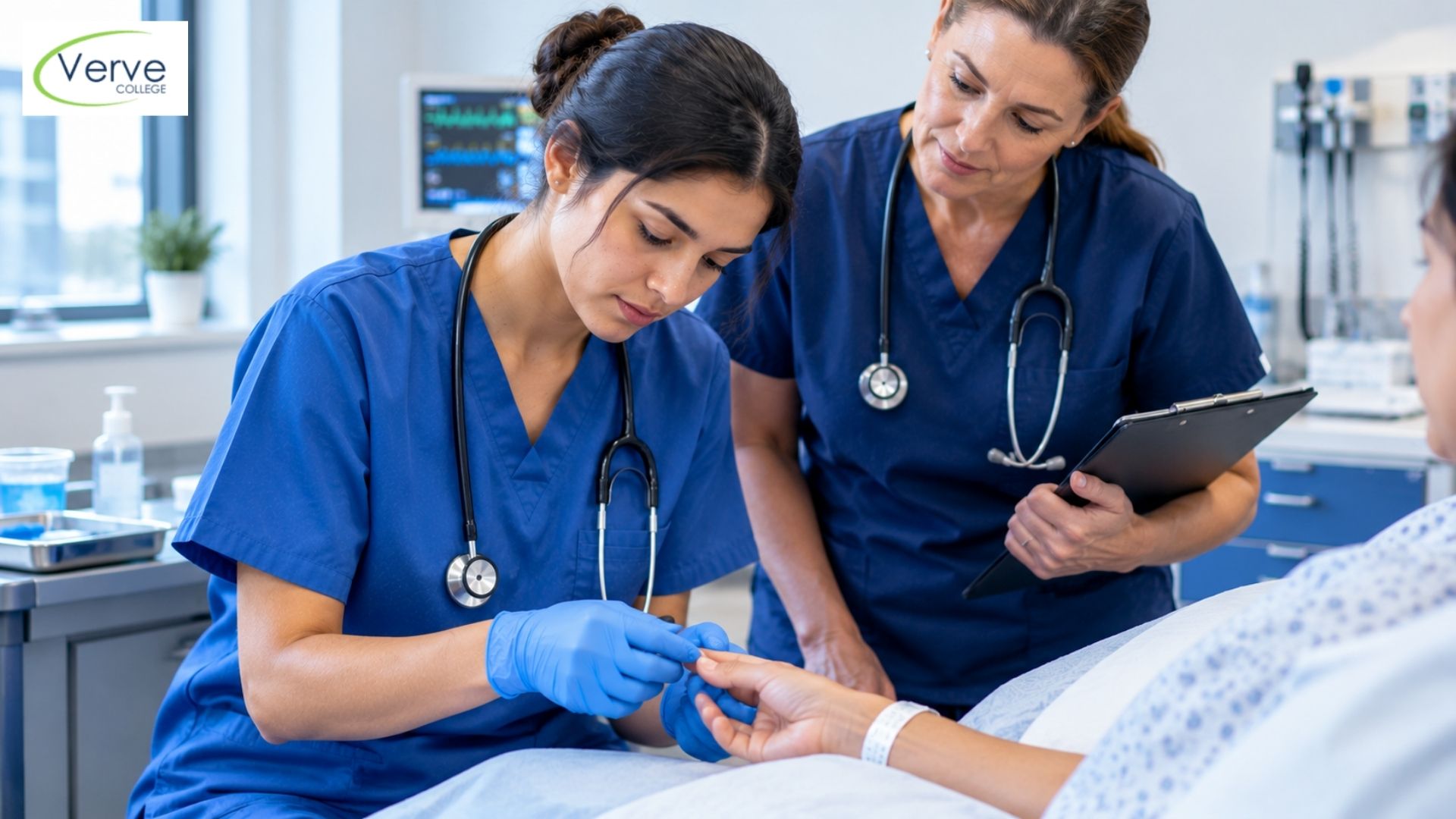
What Is Capillary Refill? A Guide…
October 13, 2026 Read More