Sign up
 Login
Login
Is a Nursing Career Right For You?
Take The Free Quiz
How Nurses Prioritize Patient Care: A Simple Guide for Beginners
How Nurses Prioritize Patient Care: A Simple Guide for Beginners
Understanding how do nurses prioritize patient care is essential for beginners stepping into clinical environments. Nurses must make quick decisions and organize tasks based on patient safety and urgency. The ABCDE approach gives a clear, step-by-step structure to identify what matters first.
Whether you are entering nursing school or preparing through an A&P prep course Illinois, learning this approach helps you build confidence, reduce stress, and deliver safe care. This simple guide explains how nurses stay focused and prioritize effectively.

Key Takeaways
- Patient safety comes first
- ABCDE approach guides fast decisions
- Time-sensitive tasks matter
- Clear communication improves care
- Good planning saves time
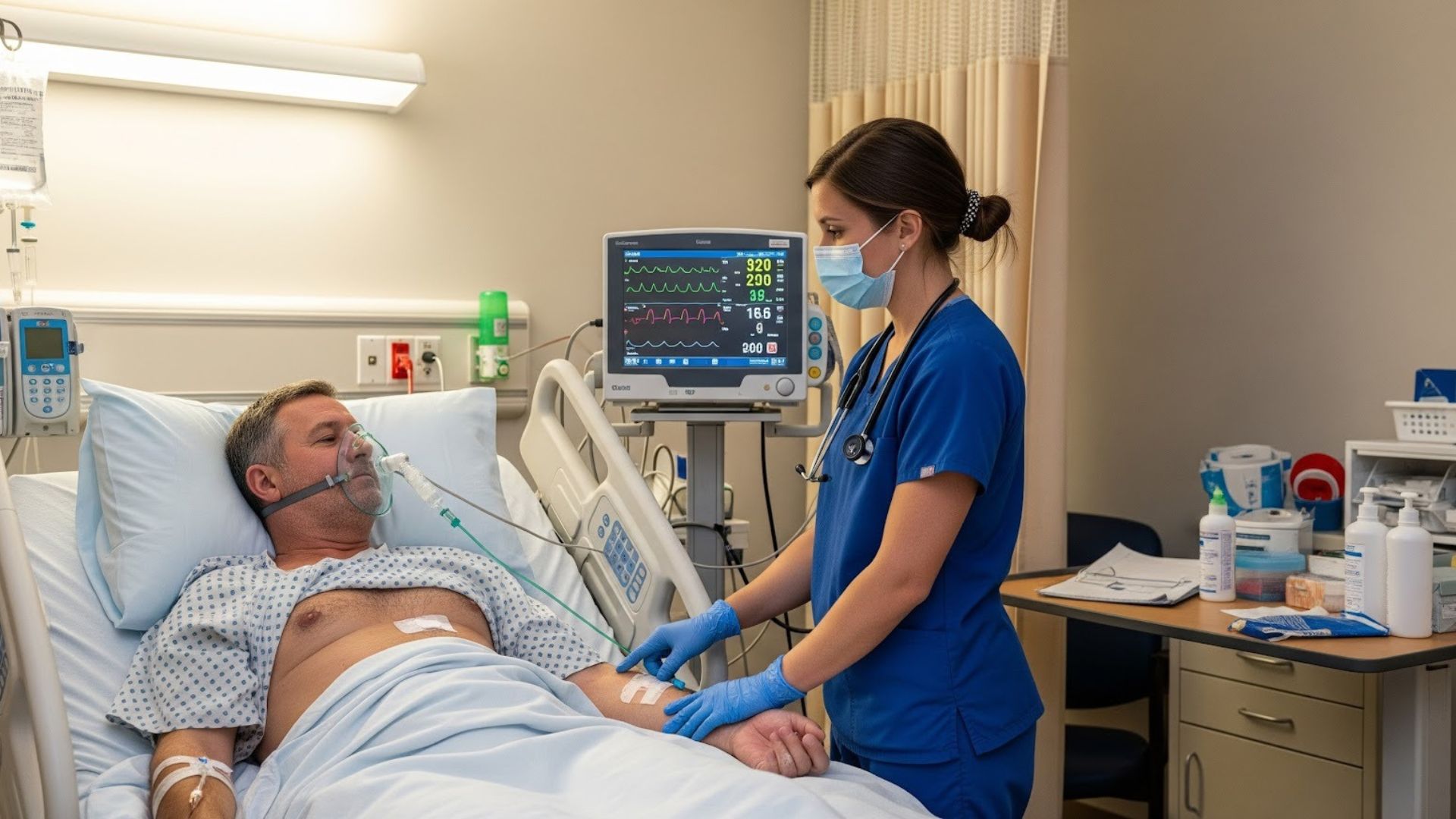
How to Prioritize Nursing Care for Patients?
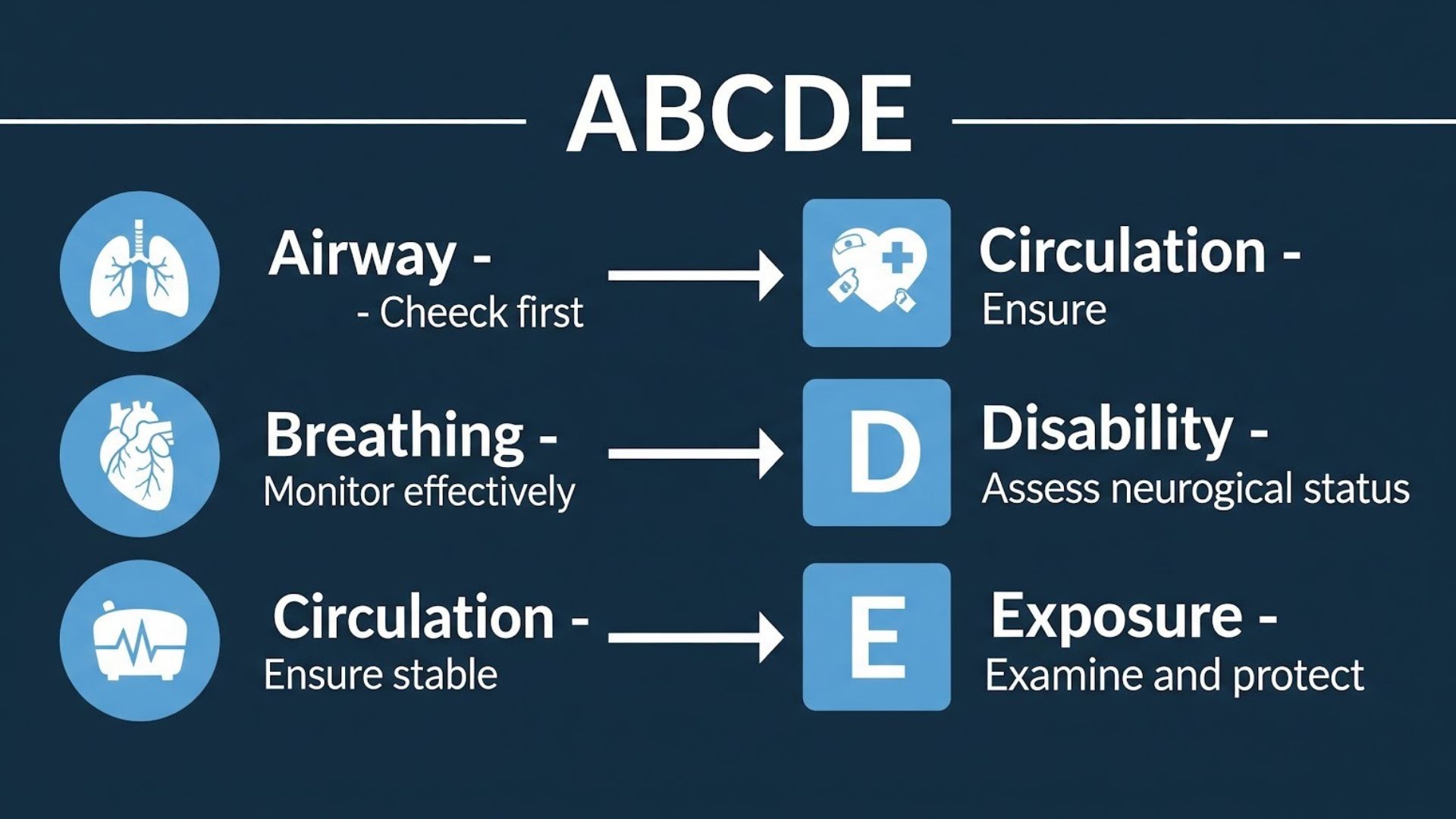
1. Airway Comes First (A)
Checking the airway is always the top priority in the ABCDE approach. If a patient cannot breathe or has an obstruction, it becomes an emergency. Nurses act immediately to open the airway, call for help, or reposition the patient to restore airflow safely.
2. Breathing Assessment (B)
After airway, nurses check breathing patterns. Shortness of breath, low oxygen levels, or rapid breathing indicate worsening conditions. Quick actions may include giving oxygen, adjusting the patient’s position, or notifying the provider to prevent respiratory failure.
3. Circulation Check (C)
Nurses evaluate pulse, blood pressure, bleeding, and heart rhythm. Any issue affecting circulation becomes high priority. Managing bleeding, starting IV fluids, or monitoring cardiac changes ensures blood flow and prevents shock.
4. Disability or Neurological Status (D)
Nurses assess level of consciousness, pupil reaction, and confusion. Any sudden neurological change requires fast action. This helps identify stroke, head injuries, or low blood sugar quickly.
5. Exposure & Environment (E)
Nurses look for injuries, rashes, wounds, or hidden problems. They also protect the patient from cold, heat, or infection risks. This step ensures no issues are overlooked during care.
Others:
6. Focus on Time-Sensitive Treatments
Medications, dressing changes, tests, and procedures often have strict time requirements. Nurses complete urgent tasks first to prevent complications. Timely treatment improves patient recovery and keeps care organized.
7. Monitor Vital Signs Frequently
Vital signs guide prioritization. A sudden rise in temperature, drop in blood pressure, or irregular pulse means the nurse must rearrange tasks immediately. Early action prevents worsening conditions.
8. Manage Pain and Comfort Needs
Pain affects healing and patient cooperation. Nurses quickly assess pain levels and provide relief when needed. Keeping patients comfortable reduces stress and supports better outcomes.
9. Use Clinical Judgment and Experience
Experience helps nurses spot patterns, judge urgency, and plan care faster. Training through accredited LPN programs helps students practice prioritizing in real clinical settings, improving accuracy and decision-making.
10. Communicate Clearly With the Care Team
Nurses share updates about changes in condition, completed tasks, and new concerns. Clear communication prevents errors, keeps everyone aligned, and supports safe patient care throughout the shift.
Conclusion
Learning how do nurses prioritize patient care becomes easier when beginners follow the ABCDE approach because it gives a clear order to assess and respond to critical patient needs. It helps new nurses think systematically, reduce confusion, and quickly identify what requires immediate action. With continued practice, this method becomes a natural part of clinical decision-making.
Whether you are researching nursing careers or preparing to join night and weekend nursing programs, mastering prioritization strengthens your ability to manage multiple tasks calmly. It keeps you organized, builds confidence, and helps you deliver safe, high-quality patient care in every healthcare setting.
Want to Make a Career in Nursing? Get More Information About Our Courses!
FAQs
- Why is prioritizing patient care important?
Prioritizing protects patient safety by ensuring the most urgent problems are handled first. It helps nurses stay organized, avoid delays, and prevent complications. Without clear prioritization, important tasks could be missed or delayed.
- How does the ABCDE approach help nurses?
The ABCDE approach gives nurses a clear pathway—airway, breathing, circulation, disability, and exposure. This structure helps quickly identify emergencies, sort tasks, and make safe decisions even under pressure.
- Does prioritization improve with experience?
Yes. As nurses care for more patients, they become faster at recognizing risks and organizing tasks. Experience builds confidence, improving both accuracy and response time.
Most Popular Blogs Posts

What Is Capillary Refill? A Guide…
October 13, 2026 Read More
How to Evaluate an LPN Program’s…
October 13, 2026 Read More
7 Benefits of Hands-On Nursing Education…
October 12, 2026 Read More
What Is Tissue Perfusion? A Simple…
October 12, 2026 Read More