- Oak Brook:(630) 705-9999
- Chicago:(312) 920-8822
- Email:inquiry@vervecollege.edu
- Make a Payment
 Sign up
 Login
Login
- Home
- Programs
- Admission
- Resources
- ATI Entrance Exam Resources
- New E-Digital Library
- Refer a Friend
- School Newsletter
- Events
- Employers
- Job-Network
- Alpha Beta Kappa Candidates
- Verve College Library
- Graduation and Pinning Ceremony Photo Galleries
- Textbook Information
- Career Services
- Tutoring
- School Catalog
- FAQ
- Constitution Day Program
- Alumni
- Verve College Plans
- Financial Aid
- HEERF Reporting
- Satisfactory Academic Progress
- Apply For Financial Aid
- Net Price Calculator
- Return of Title IV Funds (R2T4)
- Financial Aid Office Code of Conduct
- Contact
- FAQs
- Verification Policy
- Vaccination Policy
- Student Right-to-Know Act
- Misrepresentation
- Information Security Program
- Academic Award Year
- Availability of Employee
- Cost of Attendance
- Health & Safety Exemption Requirement
- Students Rights and Responsibilities
- Leave of Absence
- Pell Formula
- Military Students
- Grants/ Scholarship Policy
- Contact Us
- Testimonials
- Blog
Is a Nursing Career Right For You?
Take The Free Quiz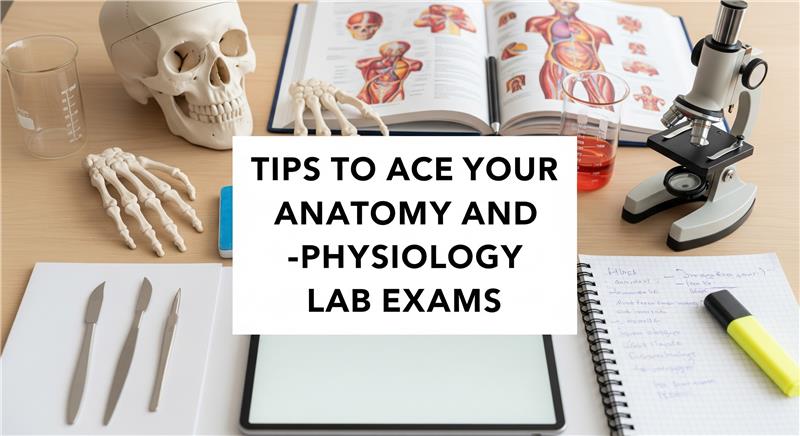
Tips to Ace Your Anatomy and Physiology Lab Exams
Tips to Ace Your Anatomy and Physiology Lab Exams
Preparing for your anatomy and physiology lab exam can be challenging, especially when you need to identify structures, recall complex body systems, and perform practical tasks under time pressure. For students enrolled in an A&P prep course, Illinois, mastering lab techniques early can make all the difference. Anatomy and physiology labs aren’t just about memorization, they test your understanding of how the body’s systems connect and function in real life.
Key Takeaways
- Familiarize yourself with real lab materials and specimens early.
- Use visuals, quizzes, and peer discussions to strengthen memory.
- Manage your time wisely during the practical portion.
- Understand functions not just structures for deeper learning.
- Confidence and consistency are the keys to success.
Top Tips to Ace Your Anatomy and Physiology Lab Exams
1. Review Models and Specimens Regularly
Spend extra time in the lab when possible. Get familiar with anatomical models, slides, and preserved specimens. The more you interact with real materials, the easier it becomes to recognize them during exams.
2. Create Visual Study Aids
Use flashcards, diagrams, and color-coded notes to memorize structures and functions. Visual memory plays a huge role in recognizing parts quickly during your practical.
3. Focus on Lab Terminology
Make sure you understand anatomical directions (anterior, posterior, lateral, etc.) and tissue types. Misunderstanding these terms can lead to incorrect identifications on the test.
4. Study with a Partner
Explaining body structures and systems to someone else helps reinforce your own learning. Group study sessions allow you to quiz one another on diagrams, slides, and dissection materials.
5. Practice Time Management
Lab practicals often require you to move from one station to another. Practice identifying items quickly so you can manage your time efficiently during the real test.
6. Review Your Lab Manual and Notes
Go through the exercises in your anatomy and physiology lab manual and highlight key details discussed in class. Professors often design questions based on these sections.
7. Relate Structures to Functions
Don’t just memorize parts—understand their roles. Knowing why something functions the way it does helps you recall what it is when under exam pressure.
8. Use Online Tools and Apps
Leverage digital anatomy platforms and 3D visualizations to study on the go. These tools offer interactive learning and help reinforce what you’ve seen in the lab.
9. Stay Calm and Confident
Anxiety can affect your performance. Take deep breaths, stay positive, and remember that practice pays off. Students from accredited LPN programs in Chicago often succeed by maintaining consistent study habits and confidence during their lab practicals.
FAQs
Q1: How should I prepare a week before the anatomy and physiology lab exam?
Focus on reviewing models, slides, and past lab exercises. Practice labeling structures and test yourself using flashcards or diagrams daily.
Q2: Are virtual anatomy tools helpful for lab practicals?
Yes, online anatomy simulations and 3D visualizations can reinforce what you’ve learned in class and help you recognize structures faster.
Q3: What’s the best way to handle time during a lab exam?
Allocate equal time for each station and skip any question that feels uncertain—come back later if allowed. Staying composed is crucial.
Conclusion
Succeeding in a lab practical anatomy and physiology exam requires more than rote memorization; it’s about applying knowledge confidently under real lab conditions. By reviewing regularly, practicing with peers, and using digital tools, you can strengthen both your accuracy and speed. Whether you’re preparing through an A&P prep course, Illinois, or another academic pat
Most Popular Blogs Posts
Vital Signs Monitoring: A Complete Student…
March 26, 2026 Read More
Soft Skills That Make You a…
March 25, 2026 Read More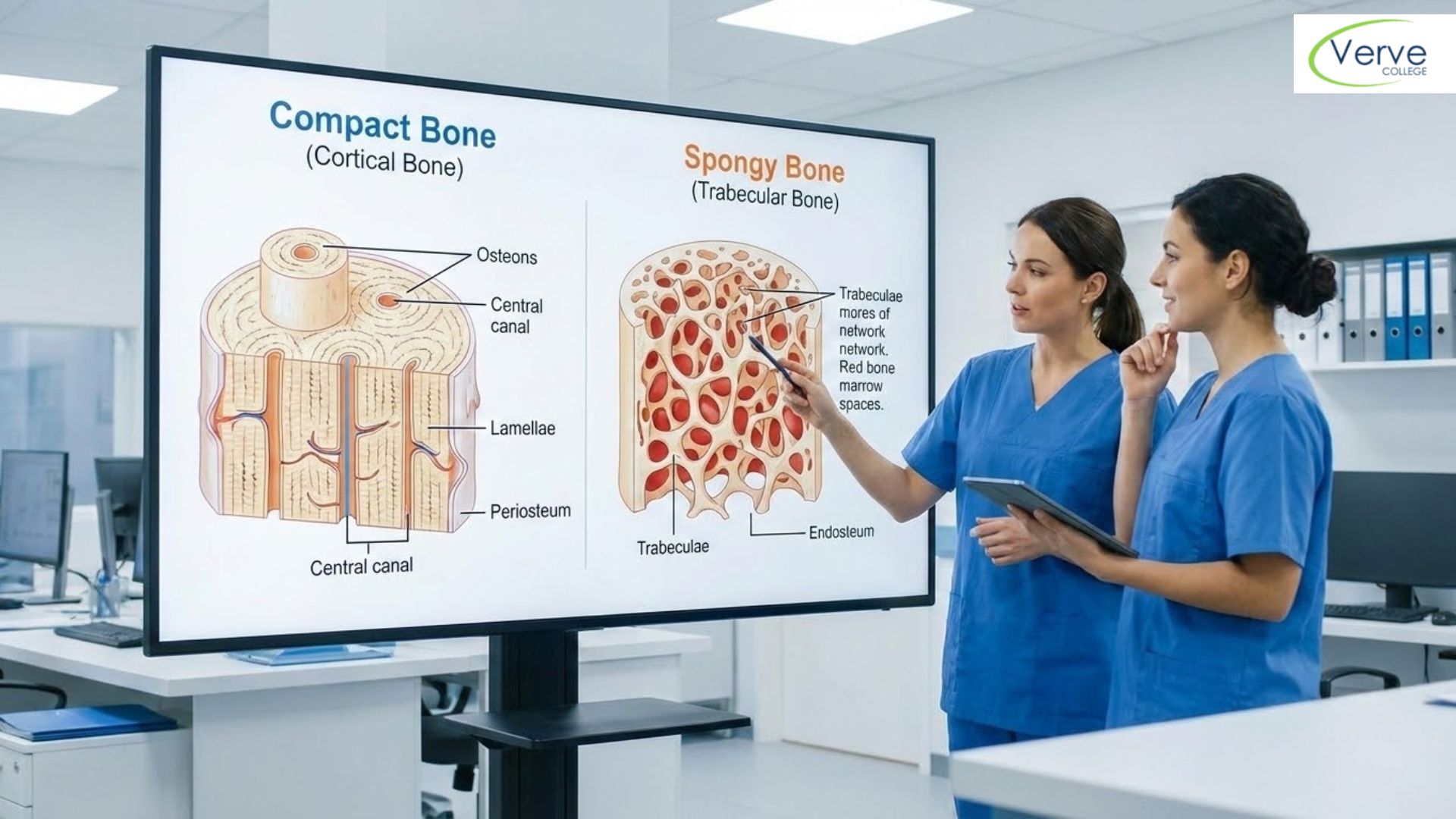
Compact Bone vs Spongy Bone: Key…
March 24, 2026 Read More
Can You Work While Studying LPN?…
March 24, 2026 Read More