- Oak Brook:(630) 705-9999
- Chicago:(312) 920-8822
- Email:inquiry@vervecollege.edu
- Make a Payment
 Sign up
 Login
Login
- Home
- Programs
- Admission
- Resources
- ATI Entrance Exam Resources
- New E-Digital Library
- Refer a Friend
- School Newsletter
- Events
- Employers
- Job-Network
- Alpha Beta Kappa Candidates
- Verve College Library
- Graduation and Pinning Ceremony Photo Galleries
- Textbook Information
- Career Services
- Tutoring
- School Catalog
- FAQ
- Constitution Day Program
- Alumni
- Verve College Plans
- Financial Aid
- HEERF Reporting
- Satisfactory Academic Progress
- Apply For Financial Aid
- Net Price Calculator
- Return of Title IV Funds (R2T4)
- Financial Aid Office Code of Conduct
- Contact
- FAQs
- Verification Policy
- Vaccination Policy
- Student Right-to-Know Act
- Misrepresentation
- Information Security Program
- Academic Award Year
- Availability of Employee
- Cost of Attendance
- Health & Safety Exemption Requirement
- Students Rights and Responsibilities
- Leave of Absence
- Pell Formula
- Military Students
- Grants/ Scholarship Policy
- Contact Us
- Testimonials
- Blog
Is a Nursing Career Right For You?
Take The Free Quiz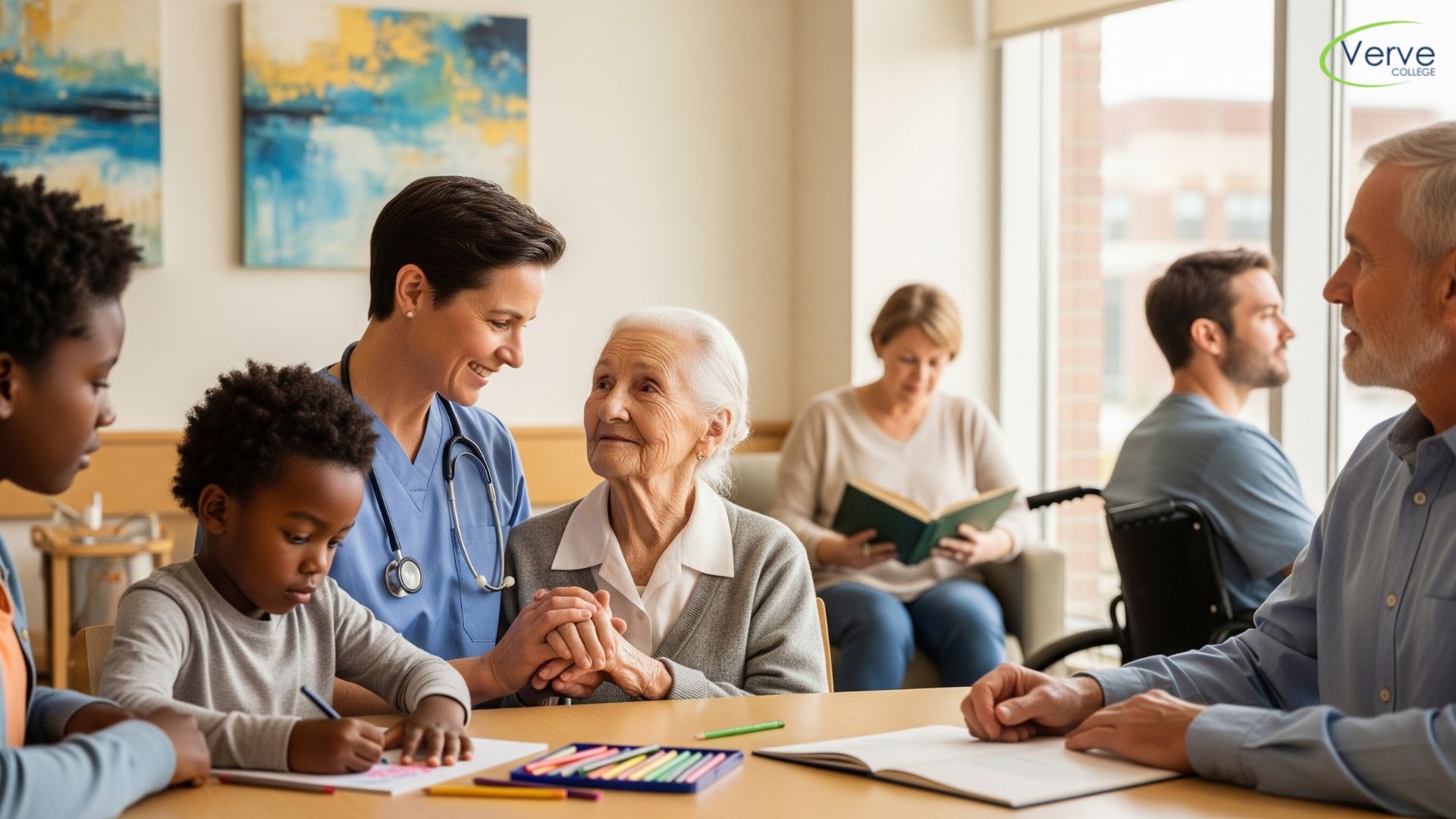
Things Patients Taught Me About Being Human
Things Patients Taught Me About Being Human
According to the U.S. Bureau of Labor Statistics, healthcare occupations are projected to grow much faster than the average for all jobs over the next decade. This growth reflects something deeper than numbers. It reflects human need. Behind every statistic is a person who is scared, hopeful, tired, strong, or simply trying to heal.
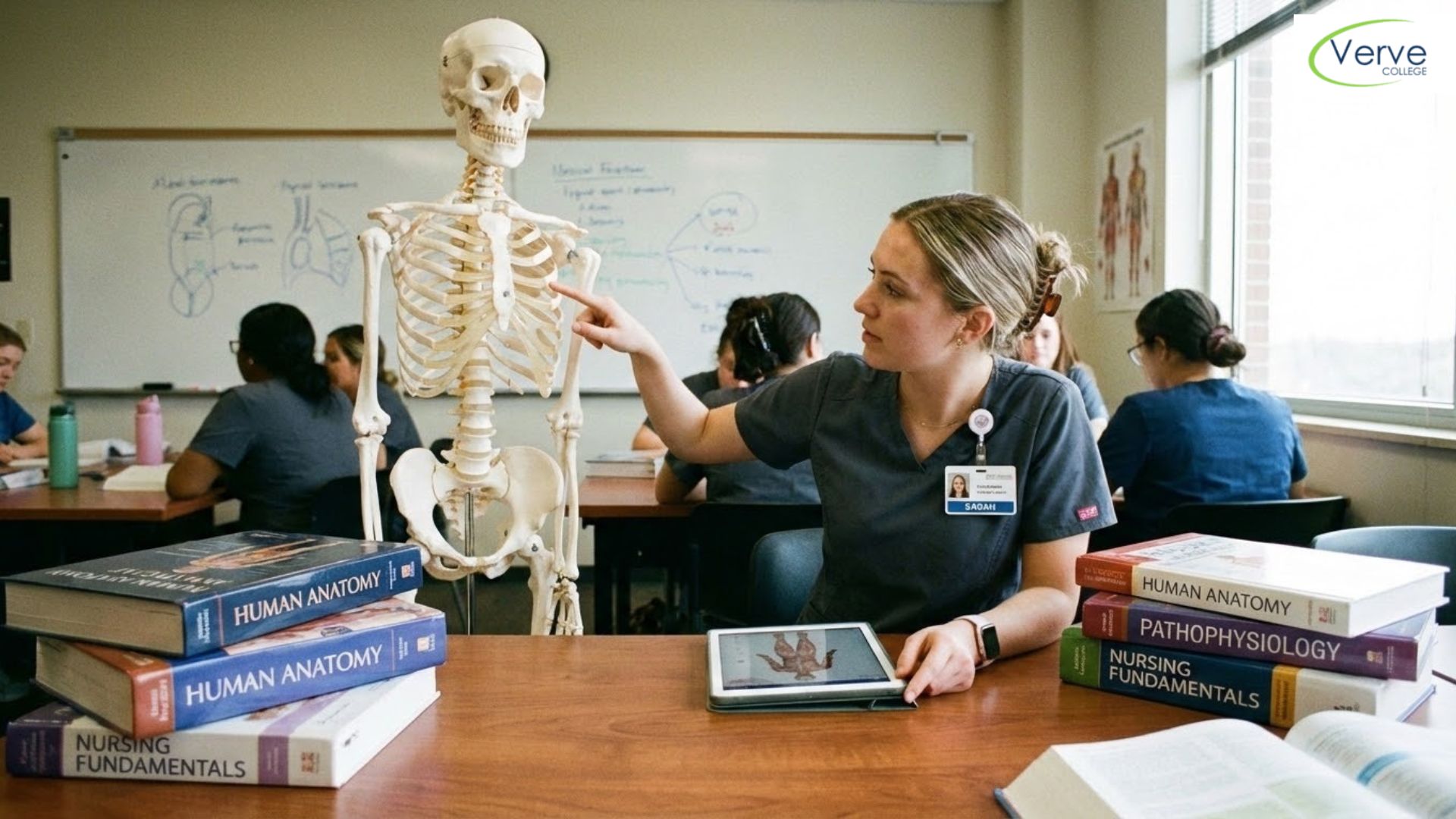
When I first walked into an A&P Class, I thought I was learning about organs, tissues, and systems. I memorized muscles, traced nerve pathways, and studied how the heart pumps blood. But real understanding did not begin in the classroom. It began at the bedside, where patients quietly taught me what it truly means to be human.
Key Takeaways
- Patients teach empathy in ways no textbook can explain.
- Illness often reveals strength rather than weakness.
- Listening is as powerful as any clinical skill.
- Respect and dignity matter as much as medication.
- Healing is emotional and social, not just physical.
Things Patients Taught Me About Being Human
1. Vulnerability Is Not Weakness
In school, we learn how the body fails. We study disease processes and complications. But patients show us what happens when strength and vulnerability exist together.
I once cared for an elderly patient recovering from surgery. He needed help walking, eating, and even adjusting his blanket. On paper, he seemed fragile. But emotionally, he was steady. He spoke about his family, his memories, and his hopes with calm confidence.
That experience changed how I view vulnerability. Being ill does not make someone less strong. It simply makes their humanity visible. Patients remind us that strength is not about independence alone. It is about courage in difficult moments.
2. Listening Is a Clinical Skill
In healthcare education, we focus on assessment. We check vital signs, observe symptoms, and document findings. Yet patients taught me that listening is one of the most important skills a caregiver can develop.
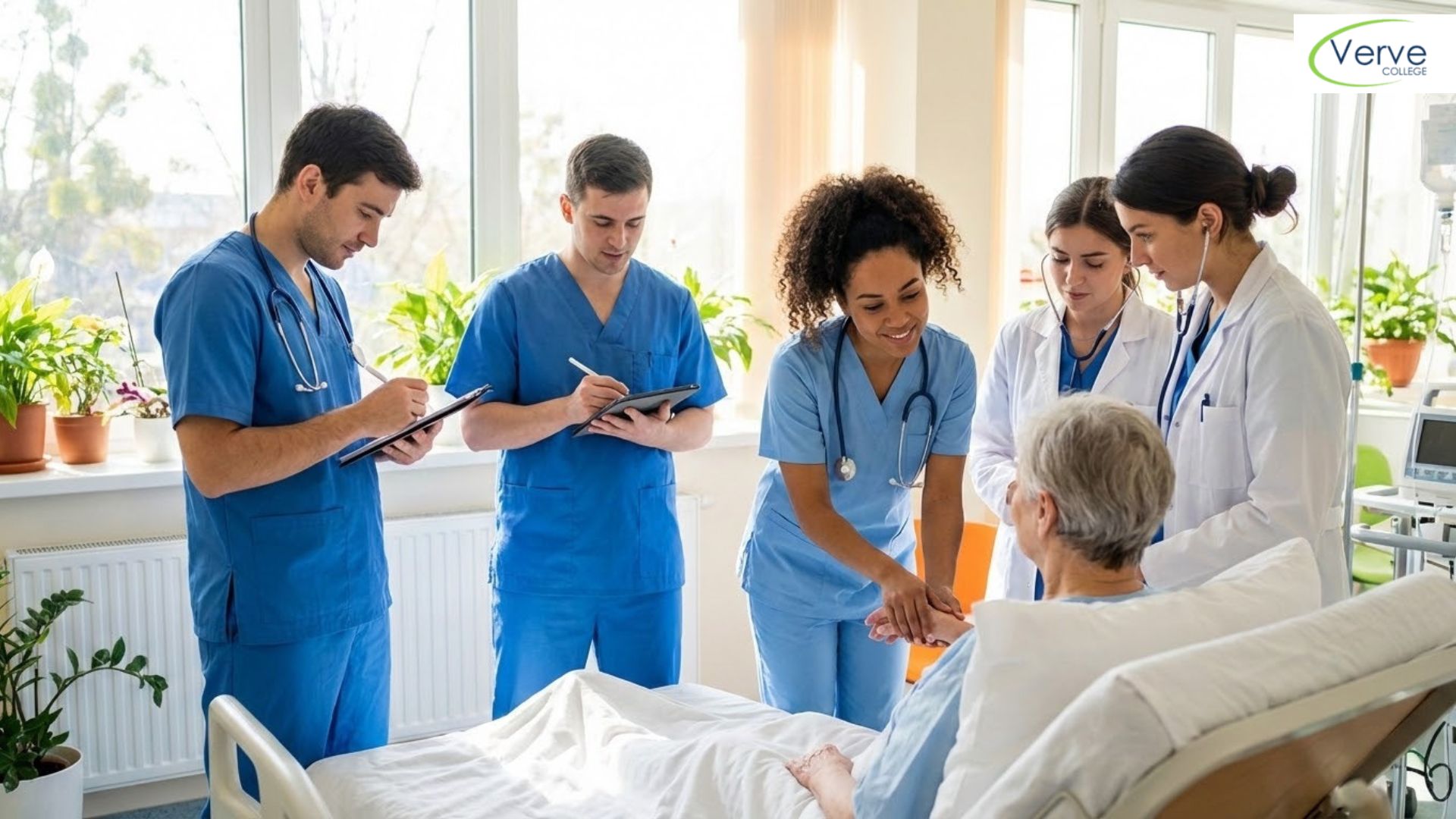
A patient once told me that what comforted her most during treatment was not the medication. It was the moment someone sat beside her and truly listened. She wanted to explain her fears about recovery and how it would affect her daily life.
That moment taught me that healing begins with attention. Listening builds trust. Trust reduces anxiety. And reduced anxiety supports better outcomes. The science of care matters. But the art of listening makes science meaningful.
3. Everybody Tells a Story
When we study body systems, we learn structure and function. We understand how organs work together. However, patients show us that everybody carries a story shaped by lifestyle, environment, and experience.
While students often search for anatomy and physiology classes near me to understand how the human body works, real insight grows when theory meets real life. For example, a patient with chronic illness may also carry emotional stress from years of managing pain. Another patient recovering from injury may struggle more with identity loss than physical discomfort.
The body is biological. But healing is personal. Patients remind us that clinical knowledge must always connect with human context.
4. Dignity Matters in Small Moments
One lesson patients consistently teach is that dignity lives in small actions. Adjusting a pillow gently. Explaining a procedure clearly, asking permission before providing care.
These small steps may seem routine, but they protect a person’s sense of control. Illness often takes away independence. Respect restores part of it.
I once helped a patient prepare for a routine procedure. Before starting, I explained each step and asked if he had questions. He later said that simple explanation reduced his fear. That experience showed me that dignity is not extra effort. It is essential care.
5. Healing Is Not Always Physical
Healthcare training often emphasizes measurable outcomes such as blood pressure, lab values, and wound healing. But patients show us that healing also includes acceptance, forgiveness, and hope.
I met a patient in long-term care who was unlikely to fully recover physically. Yet over time, he became more peaceful and optimistic. He began reconnecting with family members and sharing advice with younger patients.
This taught me that health is more than the absence of disease. It includes emotional and social well-being. When caregivers recognize this, they support the whole person rather than just a diagnosis.
6. Gratitude Changes Perspective
One of the most surprising lessons patients taught me is gratitude. Even during pain or uncertainty, many patients express appreciation for small comforts. A warm blanket. A kind word. A smile.
This perspective changes how caregivers view their role. It reminds us that our actions matter. Even brief interactions can leave a lasting impact.
Patients often face challenges with resilience that inspires others. Observing this resilience encourages humility and deeper compassion in healthcare professionals.
How These Lessons Shape Future Care?
Students often begin their journey by searching for information such as anatomy classes near me because they want to understand the science behind care. That foundation is important.
However, true growth happens when science meets humanity. Patients teach patience. They teach emotional intelligence. They teach that care is not about perfection, but about presence.
These lessons stay with healthcare professionals throughout their careers. They influence communication, ethical decisions, and daily interactions. They remind us that medicine is not only technical. It is deeply human.
Conclusion
The growing demand for healthcare professionals highlights the importance of strong clinical education. But beyond textbooks and lectures, patients remain the greatest teachers.
They teach vulnerability with courage, pain with dignity, and uncertainty with hope. They show that listening can heal and that compassion strengthens care.
In the end, Things Patients Taught Me About Being Human is not just a reflection. It is a reminder that healthcare is built on relationships. Knowledge forms the foundation, but empathy brings it to life.
FAQs
- Why do patient experiences influence professional growth so deeply?
Patient experiences create emotional learning. Unlike classroom study, bedside interactions involve real consequences and real feelings. This emotional connection strengthens memory and understanding, making lessons more lasting and meaningful.
- Can empathy improve clinical outcomes?
Yes. Research shows that empathetic communication can improve patient satisfaction, treatment adherence, and even recovery rates. When patients feel heard, they are more likely to follow care plans and trust medical advice.
- How can students prepare emotionally for patient interactions?
Students can prepare by practicing active listening, reflecting on personal values, and seeking mentorship. Emotional readiness grows through self-awareness and guided clinical exposure rather than technical study alone.
Most Popular Blogs Posts
Soft Skills That Make You a…
March 25, 2026 Read More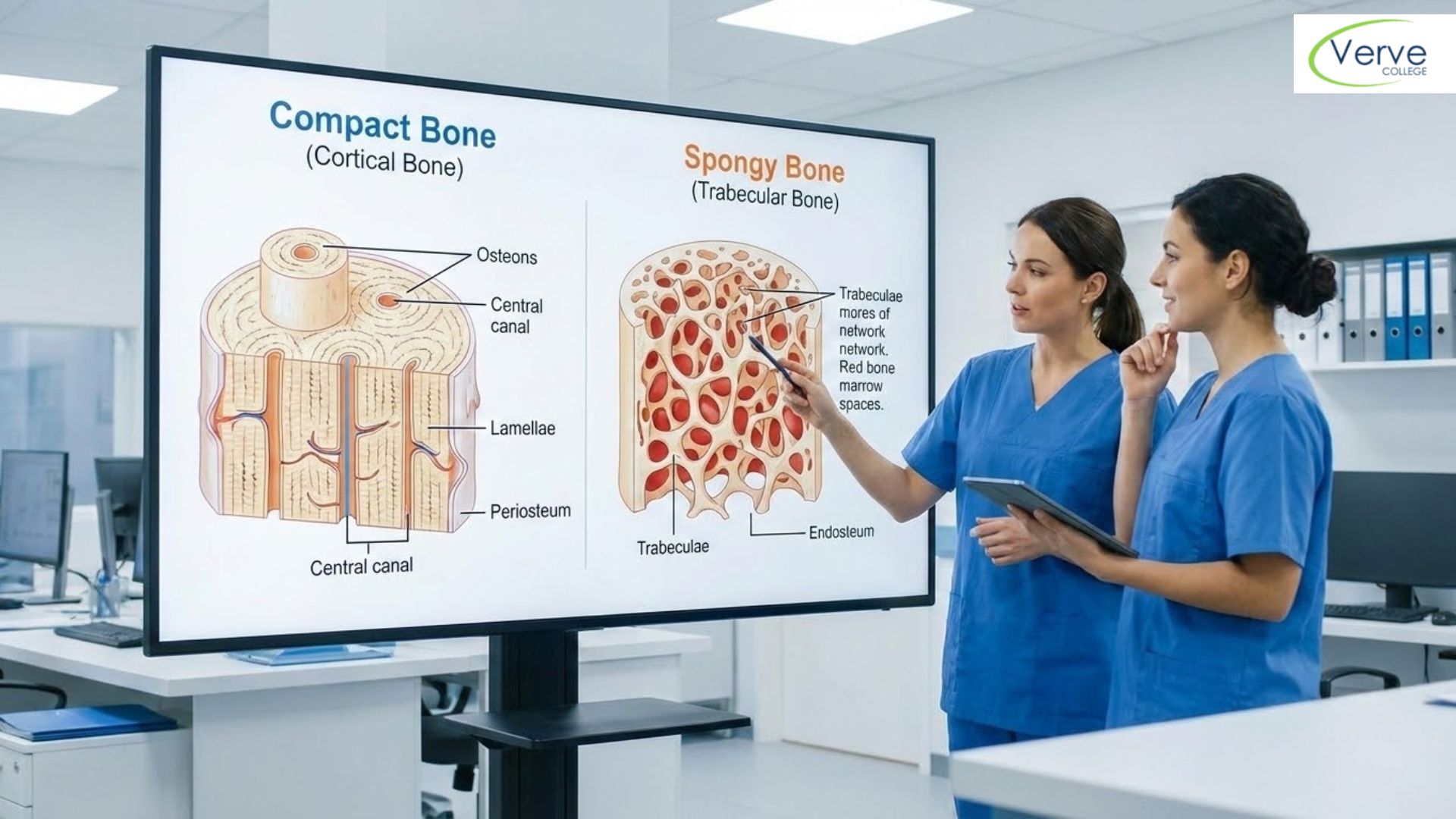
Compact Bone vs Spongy Bone: Key…
March 24, 2026 Read More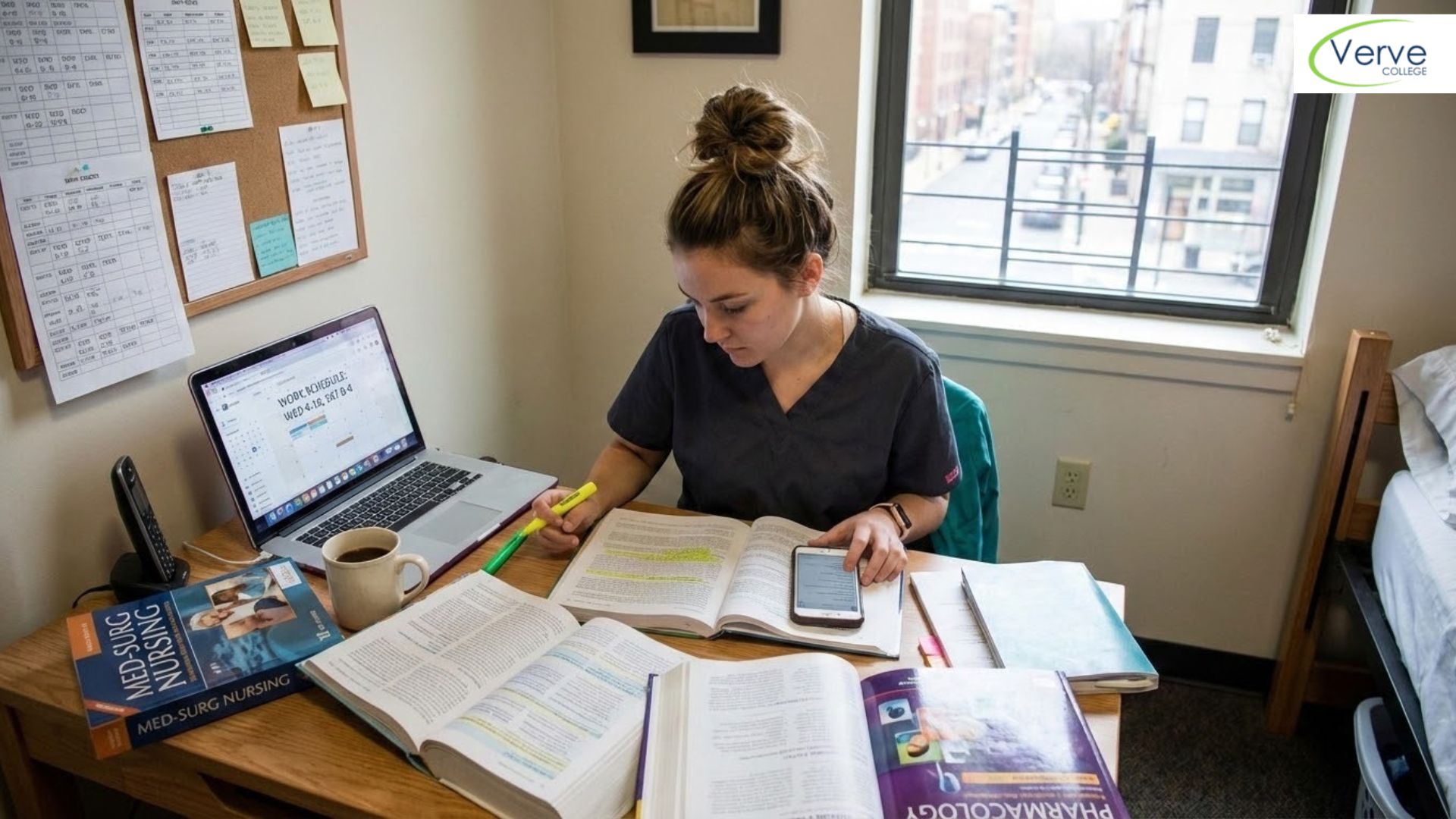
Can You Work While Studying LPN?…
March 24, 2026 Read More
Skeletal System: Everything Nursing Students Should…
March 23, 2026 Read More