Sign up
 Login
Login
Is a Nursing Career Right For You?
Take The Free Quiz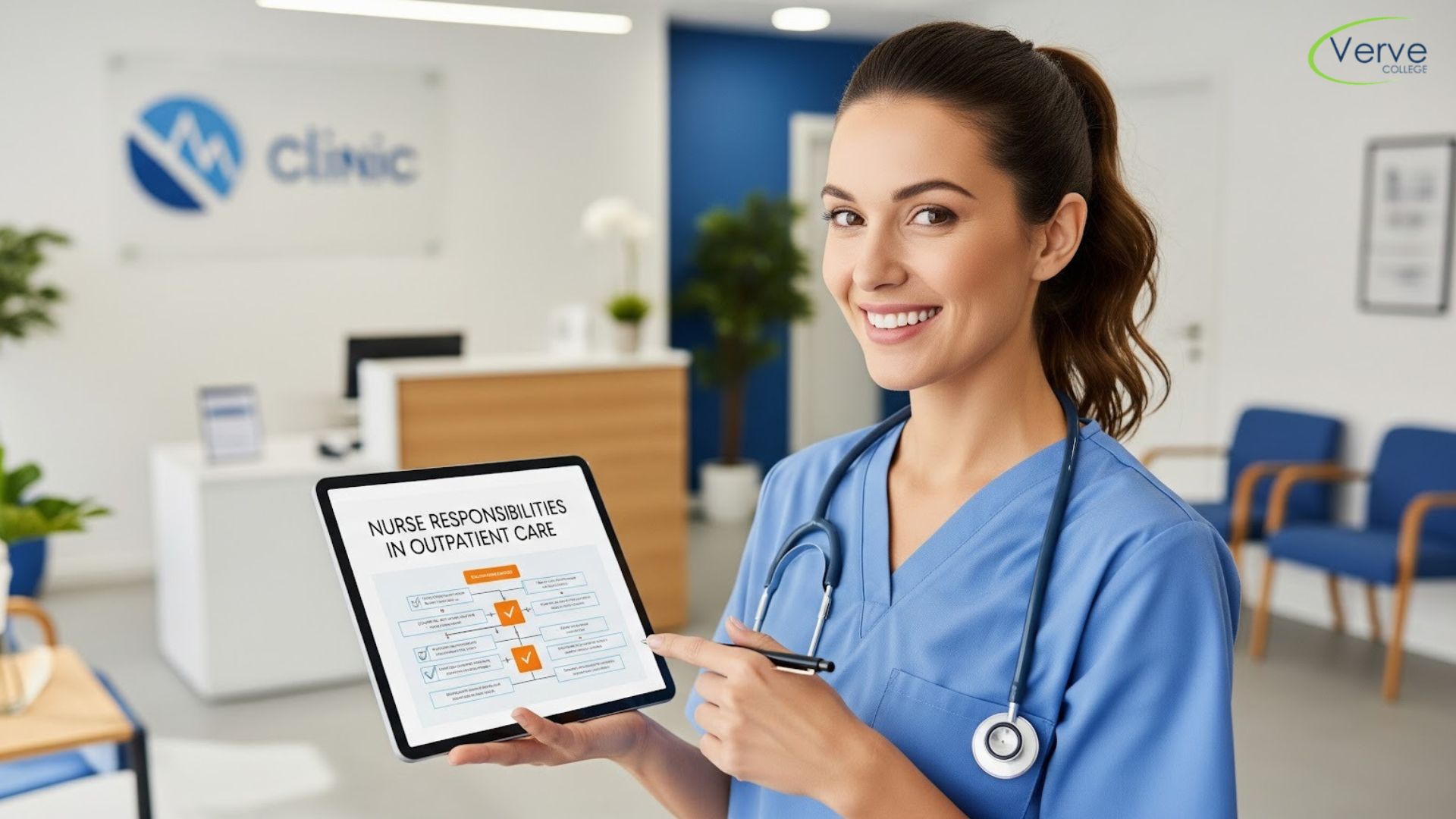
Nurse Responsibilities in Outpatient Care: A Clear Guide
Nurse Responsibilities in Outpatient Care: A Clear Guide
Outpatient clinics are busy, fast-moving healthcare environments where nurses play a major role in patient care. Understanding nurse responsibilities in outpatient care is important for students who want to build a strong foundation in this field. Outpatient care focuses on same-day visits, which means nurses must be skilled in assessment, communication, and patient support. Many future learners also search for helpful details like Illinois College of nursing tuition as they plan their education.
This guide explains what outpatient nurses do, why their work matters, and how they help patients feel safe, informed, and supported during short medical visits.
Key Takeaways
- Outpatient nurses support patients who do not stay overnight.
- They handle assessment, triage, education, coordination, and follow-up care.
- Clear communication and time management are essential.
- Outpatient care requires accuracy, kindness, and strong clinical skills.
What is Outpatient Care?
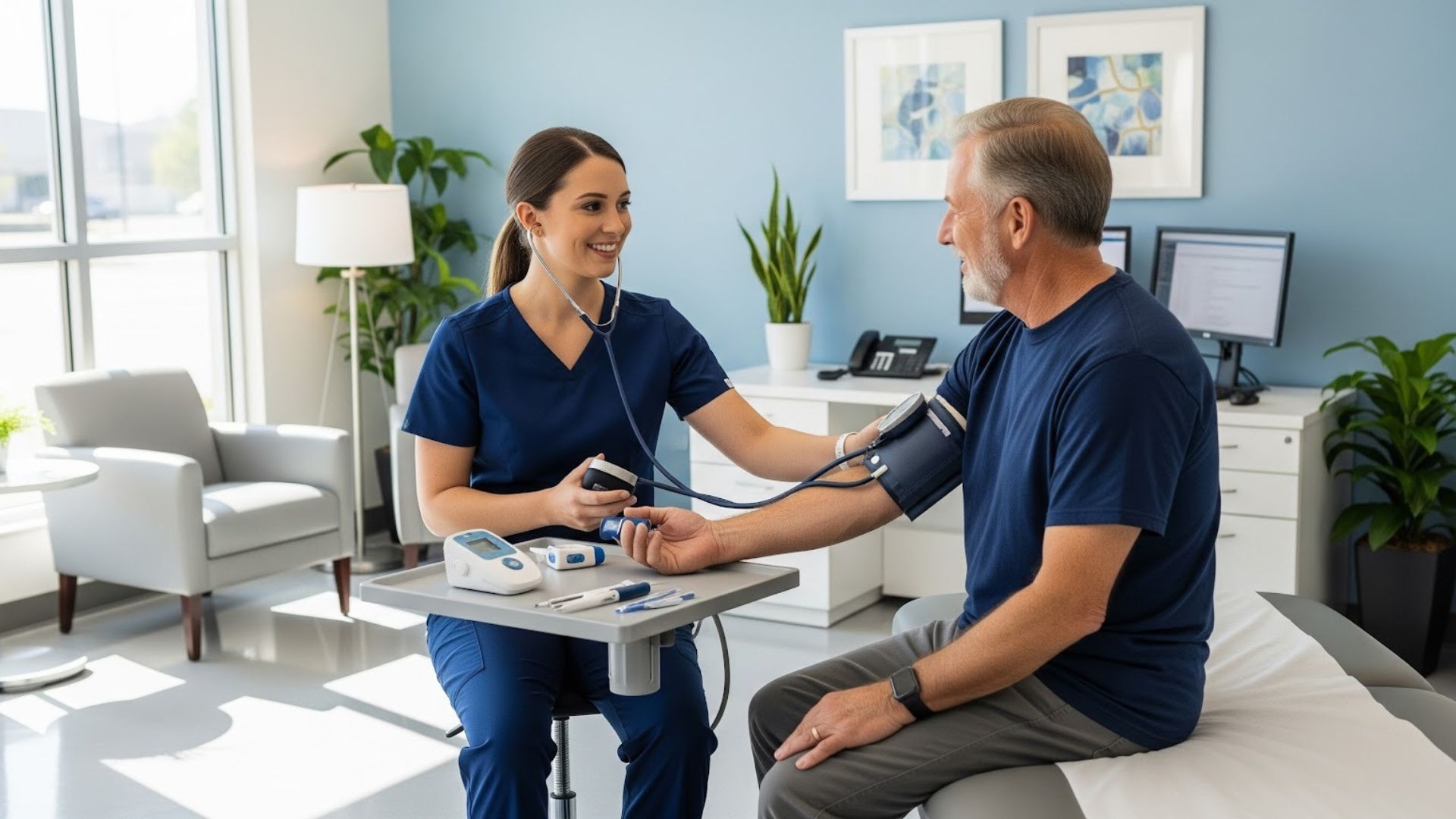
Outpatient care refers to medical services where patients visit a clinic, physician’s office, or diagnostic center for evaluation, treatment, or follow-up and return home the same day. It includes routine checkups, minor procedures, tests, vaccinations, and chronic condition management.
Nurses play a key role in this setting by guiding patients through each step, performing essential clinical tasks, and ensuring safety. They help patients understand instructions, prepare for tests, and manage their health at home, making outpatient visits smooth, efficient, and stress-free.
Nurse Responsibilities in Outpatient Care
- Patient Assessment
Nurses check vital signs, review symptoms, gather medical history, and identify immediate concerns. This helps providers make quick and accurate decisions in fast-moving outpatient settings. - Triage & Prioritization
Nurses decide which patients need urgent attention by evaluating symptoms and risks. Their judgment helps reduce delays and improves patient safety. - Clinical Procedures
Outpatient nurses perform tasks like injections, wound care, blood draws, and assisting in minor procedures. These require accuracy, steady hands, and strict adherence to safety standards. - Patient Education
Nurses teach patients about medications, treatment plans, lifestyle changes, and follow-up instructions. Clear education helps patients manage their health independently at home. - Care Coordination
Nurses communicate with labs, imaging centers, pharmacies, and specialists to arrange tests, referrals, and follow-ups. This ensures patients receive complete and continuous care. - Documentation
Nurses record assessments, treatments, medications, and patient instructions. Accurate charting supports communication, prevents errors, and maintains legal and clinical safety. - Medication Management
Nurses administer medications, verify orders, monitor for reactions, and teach safe usage. Proper medication handling prevents complications and promotes patient confidence. - Infection Control
Nurses follow strict hygiene protocols, maintain clean equipment, and educate patients on infection prevention. This lowers risk, especially in busy outpatient environments. - Communication With Providers
Nurses report abnormal findings, test results, and patient concerns to physicians. Effective communication helps providers make timely, informed clinical decisions. - Follow-Up Support
Nurses schedule future visits, answer questions, and reinforce discharge instructions. Their support ensures patients continue care correctly after leaving the clinic. - Managing Patient Flow
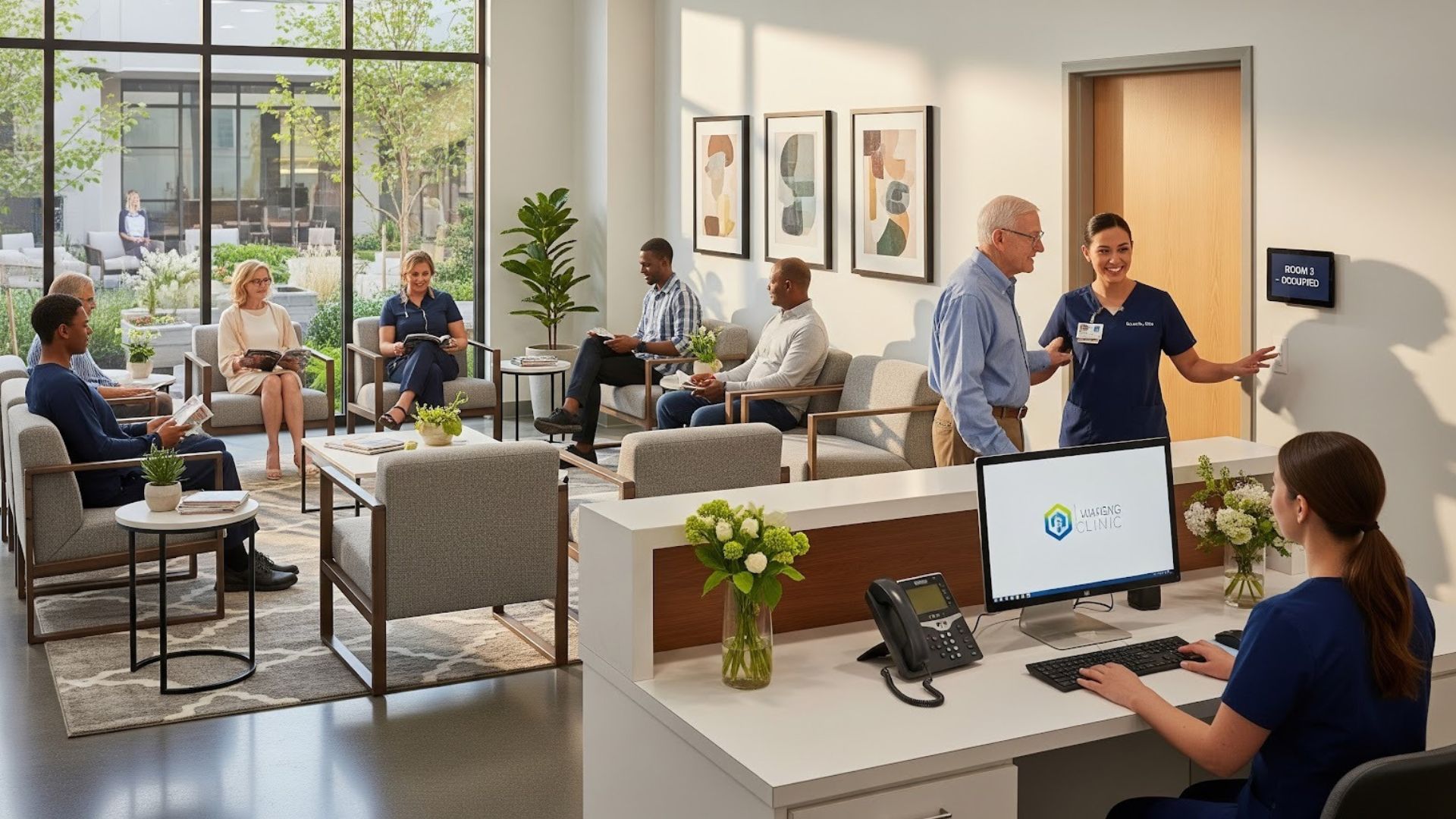
Nurses help reduce wait times, guide patients through each step, and maintain smooth clinic operations. This improves overall patient satisfaction and efficiency.
Skills Needed for Outpatient Nursing
To handle these responsibilities well, outpatient nurses must have:
- Strong communication
- Critical thinking
- Time management
- Compassion and patience
- Ability to multitask
- Knowledge of clinical procedures
- Technology and documentation skills
These strengths allow nurses to work efficiently while making patients feel supported.
Why Outpatient Nursing is Important?
Outpatient nursing matters because it allows patients to receive high-quality medical care without staying overnight. This makes healthcare more accessible, faster, and more affordable. As outpatient centers continue to grow, nurses play a vital role in ensuring patients feel comfortable, informed, and supported during short visits. Their presence helps reduce anxiety and improves the overall patient experience.
Nurses in outpatient settings also help prevent complications by providing clear instructions, monitoring symptoms, and coordinating follow-up care. Their quick decision-making and strong communication keep clinics running efficiently. Without skilled outpatient nurses, patient care would be slower, less organized, and less effective.
Conclusion
Understanding nurse responsibilities in outpatient care helps future nurses know what to expect in this important healthcare role. From assessments to coordination and follow-up, outpatient nurses keep clinics safe and efficient. As many learners begin their journey through nursing assistant programs in illinois, this guide provides clarity on what outpatient care truly involves.
Want to Make a Career in Nursing? Get More Information About Our Courses!
FAQs
1. What skills are most important for outpatient nurses?
Strong communication, time management, clinical knowledge, and compassion are essential. Nurses must work quickly while still providing excellent care.
2. Do outpatient nurses do the same tasks as hospital nurses?
Some duties overlap, like assessments and medication administration. However, outpatient nurses focus more on education, triage, and short-term visits rather than long-term patient monitoring.
3. What settings hire outpatient nurses?
Outpatient nurses work in clinics, physician offices, urgent care centers, diagnostic labs, specialty clinics, and community health centers.
Most Popular Blogs Posts
Vital Signs Monitoring: A Complete Student…
March 26, 2026 Read More
Soft Skills That Make You a…
March 25, 2026 Read More
Compact Bone vs Spongy Bone: Key…
March 24, 2026 Read More
Can You Work While Studying LPN?…
March 24, 2026 Read More