Sign up
 Login
Login
Is a Nursing Career Right For You?
Take The Free Quiz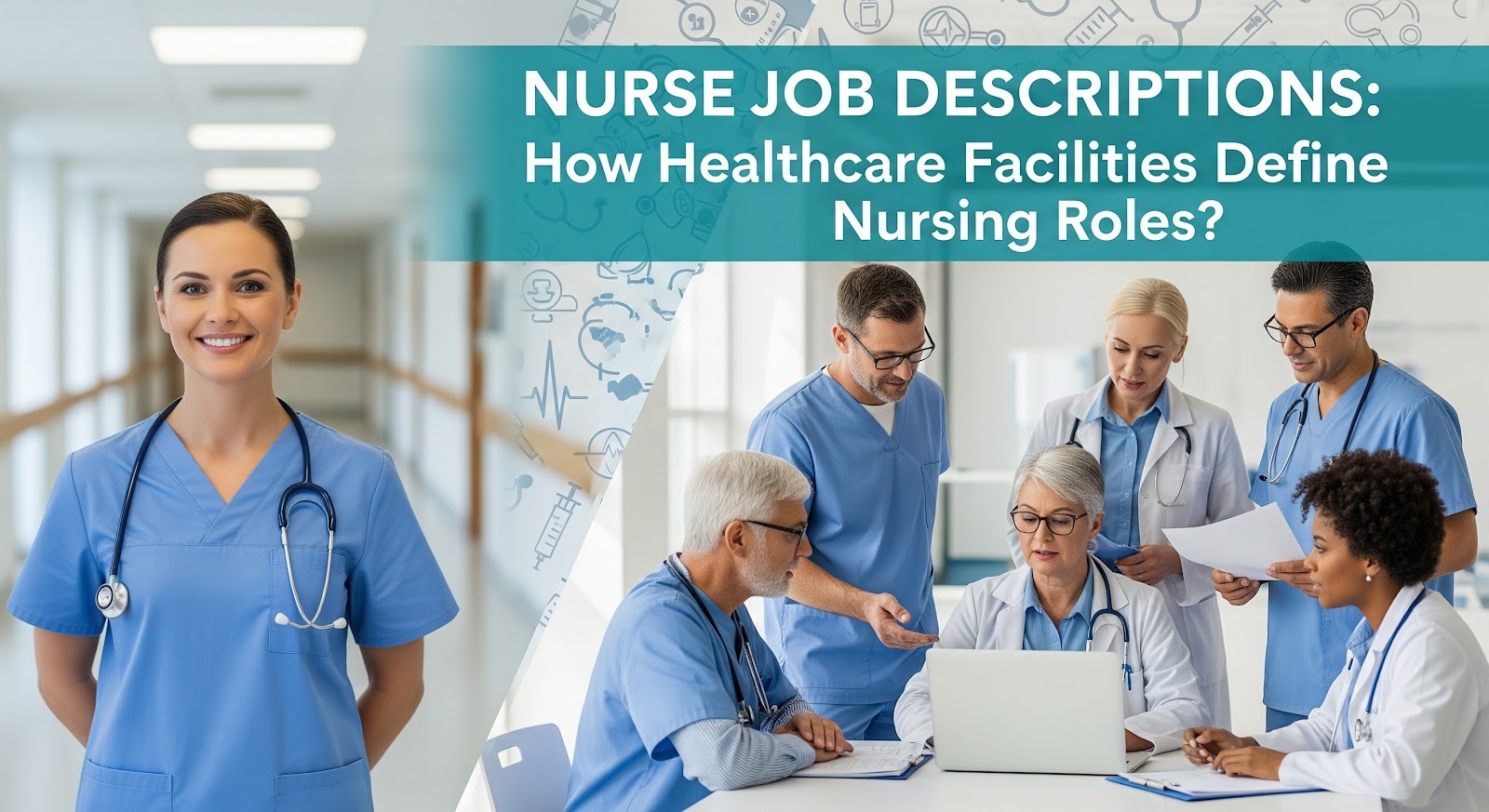
Nurse Job Descriptions: What Changes Across Healthcare Settings?
Nurse Job Descriptions: What Changes Across Healthcare Settings?
Understanding how different healthcare facilities structure their nurse job descriptions is essential for anyone pursuing a nursing career. While the core responsibilities of a nurse, patient care, administering medications, and monitoring vital signs, remain consistent, the emphasis and scope of duties can vary widely depending on the healthcare setting. Whether you’re exploring licensed practical nursing programs in Chicago, knowing these differences will help you make informed career choices.
Key Takeaways:
- Nurse responsibilities differ by facility type.
- Job descriptions reflect the unique needs and priorities of each healthcare environment.
- Nurses may need specialized skills depending on the setting.
How Do Different Healthcare Facilities Structure Their Nurse Job Description?
Healthcare facilities range from hospitals and outpatient clinics to long-term care centers and home health agencies. Each setting tailors its nurse job descriptions to fit operational requirements, patient needs, and regulatory standards.
1. Hospitals
In hospitals, nurse job description structures across healthcare settings often emphasize acute care skills. Nurses in this environment must:
- Monitor critically ill patients and respond to emergencies.
- Administer intravenous medications and manage complex treatments.
- Coordinate with multidisciplinary teams to ensure patient safety and care continuity.
2. Outpatient Clinics
Outpatient settings focus on preventive care and routine procedures. Nurse roles may include:
- Assisting physicians with patient assessments and minor procedures.
- Providing patient education and follow-up care instructions.
- Managing electronic health records and scheduling patient appointments.
3. Long-Term Care Facilities
Long-term care facilities require nurses to provide ongoing support to patients with chronic conditions. Key job description elements include:
- Daily monitoring of patient health and reporting changes.
- Assisting with daily living activities such as bathing, feeding, and mobility.
- Coordinating with families and care teams for holistic patient care.
4. Home Health Agencies
Home healthcare nurses operate independently in patient homes, so job descriptions highlight:
- Conducting assessments and creating personalized care plans.
- Administering medications and therapies according to protocols.
- Teaching patients and families to manage chronic conditions at home.
5. Specialized Healthcare Settings
Facilities like rehabilitation centers, surgical units, or pediatric clinics have unique nurse job descriptions emphasizing:
- Specialized technical skills or certifications.
- Focused patient education tailored to specific populations.
- Close collaboration with specialized healthcare teams.
Why Job Descriptions Matter?
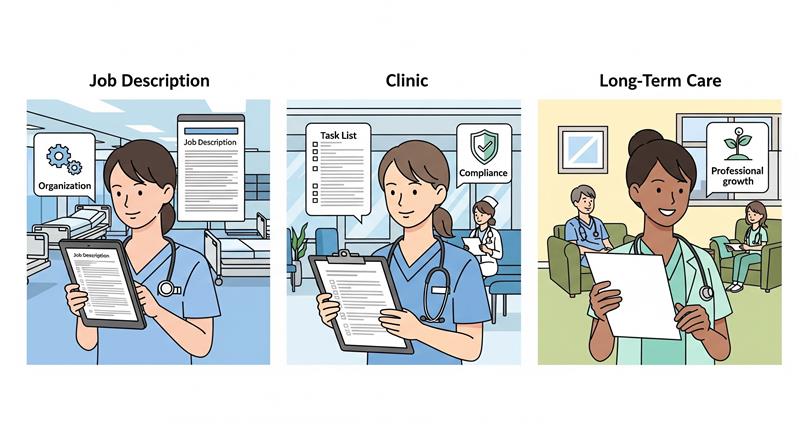
Clear nurse job descriptions set expectations and help ensure compliance with healthcare regulations. They outline responsibilities, required skills, and daily tasks, making it easier for nurses to perform their roles effectively. Hospitals, clinics, and long-term care facilities all rely on well-structured job descriptions to maintain high-quality patient care.
Well-defined roles also attract qualified candidates and support career growth. Aspiring nurses exploring the best nursing schools in Illinois can use these descriptions to understand required competencies and plan their education accordingly. This knowledge helps nurses succeed in diverse healthcare settings.
FAQs
- How do nurse job descriptions differ between hospitals and clinics?
Hospital nurses focus on acute care, critical interventions, and coordination with multidisciplinary teams. Clinic nurses emphasize preventive care, routine procedures, and patient education. - Can a nurse work in multiple healthcare settings?
Yes, many skills are transferable, but nurses may need additional training or certifications for specialized areas.
Want to Make a Career in Nursing? Get More Information About Our Courses!
Conclusion
Understanding how different healthcare facilities structure their nurse job descriptions is key for aspiring nurses. From hospitals to home health agencies, each setting shapes roles to meet unique patient care requirements. By reviewing nurse job description structures across healthcare settings, you can plan your education and professional growth effectively. If you’re ready to start your career, consider enrolling in LPN programs near me to build the skills needed for these diverse nursing roles.
Most Popular Blogs Posts
Vital Signs Monitoring: A Complete Student…
March 26, 2026 Read More
Soft Skills That Make You a…
March 25, 2026 Read More
Compact Bone vs Spongy Bone: Key…
March 24, 2026 Read More
Can You Work While Studying LPN?…
March 24, 2026 Read More