-
Oak Brook
📍📞 630-705-99992625 Butterfield Rd. Suite 102E
Oak Brook, IL 60523📠 Fax: 630-705-1422✉️ inquiry@vervecollege.edu 🗺️ Open in Google Maps 🍎 Open in Apple Maps🕒Office HoursMon–Fri: 9:30 AM – 6:00 PM
Sat: 8:00 AM – 12:00 PM
Sun: Closed -
Chicago
📍📞 312-920-8822216 W. Jackson Blvd. Suite 900
Chicago, IL 60606📠 Fax: 630-705-1422✉️ inquiry@vervecollege.edu 🗺️ Open in Google Maps 🍎 Open in Apple Maps🕒Office HoursMon–Fri: 9:30 AM – 6:00 PM
Sat: 8:00 AM – 12:00 PM
Sun: Closed - Email:inquiry@vervecollege.edu
- Make a Payment
 Sign up
 Login
Login
- Home
- Programs
- Admission
- Resources
- ATI Entrance Exam Resources
- New E-Digital Library
- Refer a Friend
- School Newsletter
- Events
- Employers
- Job-Network
- Alpha Beta Kappa Candidates
- Verve College Library
- Graduation and Pinning Ceremony Photo Galleries
- Textbook Information
- Career Services
- Tutoring
- School Catalog
- FAQ
- Constitution Day Program
- Alumni
- Verve College Plans
- Financial Aid
- HEERF Reporting
- Satisfactory Academic Progress
- Apply For Financial Aid
- Net Price Calculator
- Return of Title IV Funds (R2T4)
- Financial Aid Office Code of Conduct
- Contact
- FAQs
- Verification Policy
- Vaccination Policy
- Student Right-to-Know Act
- Misrepresentation
- Information Security Program
- Academic Award Year
- Availability of Employee
- Cost of Attendance
- Health & Safety Exemption Requirement
- Students Rights and Responsibilities
- Leave of Absence
- Pell Formula
- Military Students
- Grants/ Scholarship Policy
- Contact Us
- Testimonials
- Blog
Is a Nursing Career Right For You?
Take The Free Quiz
How to Evaluate an LPN Program’s Clinical Learning Opportunities
How to Evaluate an LPN Program’s Clinical Learning Opportunities
Clinical learning is where practical nursing education becomes real. While classroom instruction teaches nursing theory and skills laboratories help you practice procedures on mannequins, clinical rotations place you in actual healthcare settings working with patients under supervision. The quality of LPN clinical opportunities directly affects how prepared you feel when you graduate and begin working as a licensed practical nurse. Before you choose an LPN program, you should understand what clinical learning involves, what questions to ask, and how to evaluate whether a program’s clinical experiences align with your learning needs. This guide helps you make an informed assessment.
Key Takeaways
Before diving into details, here are the most important points about evaluating clinical learning in LPN programs:
Clinical opportunities are supervised patient-care experiences where you apply classroom knowledge and practice nursing skills in real healthcare settings. Strong LPN clinical opportunities include adequate hours, diverse healthcare settings, qualified supervision, meaningful patient-care experiences, and clear competency expectations. Different programs structure clinical learning differently, so comparing programs requires asking specific questions rather than relying on general descriptions. Clinical learning is distinct from classroom instruction and skills-lab practice; you need all three to be well prepared for nursing practice. Well-structured clinical learning includes clear expectations, appropriate supervision, constructive feedback, and patient safety focus.
What Are LPN Clinical Opportunities?
LPN clinical opportunities refer to supervised patient-care experiences that allow students to practice nursing skills and apply classroom knowledge in actual healthcare settings. During clinical rotations, you work alongside experienced nurses and instructors who guide your practice, answer questions, and provide feedback on your performance. Clinical opportunities involve direct patient care such as assisting with activities of daily living, measuring vital signs, communicating with patients and families, documenting observations, and supporting patient safety.
Clinical opportunities are different from classroom instruction, where you learn theory and concepts, and different from skills-lab practice, where you rehearse procedures on mannequins. Clinical learning combines knowledge with hands-on practice in complex, real-world healthcare environments where you must adapt to unexpected situations, work with diverse patients, communicate with healthcare teams, and make decisions under appropriate supervision.
Why Clinical Learning Matters for Future LPNs
Clinical learning is essential for developing the competence and confidence you need as a licensed practical nurse. Classroom instruction alone cannot prepare you for the realities of patient care: the physical demands, the emotional challenges, the unexpected complications, and the need to prioritize multiple patient needs simultaneously. Skills-lab practice teaches procedures but not how to communicate with anxious patients, adapt procedures to different patient situations, or understand why you are doing what you are doing in a specific patient’s care.
Clinical learning bridges the gap between theory and practice. When you measure a patient’s blood pressure during a clinical rotation, you understand why that measurement matters for that specific patient’s care. When you assist a patient with activities of daily living, you experience the physical and emotional aspects of patient care. When you document your observations, you understand how documentation connects to the patient’s ongoing care. These experiences build the clinical judgment that experienced nurses demonstrate every day.
Students who receive strong LPN clinical opportunities report feeling more prepared for their first nursing job, more confident in their abilities, and better able to handle the demands of actual nursing work. Clinical learning is not optional for quality nursing education; it is fundamental.
How to Evaluate LPN Clinical Opportunities
Use these eight evaluation factors to assess whether a program’s clinical learning will prepare you adequately:
1. Ask About Required Clinical Hours
Start by asking the specific number of clinical hours required in the LPN program. Hours vary widely: some programs include 200 hours of clinical experience while others provide significantly more. Ask what is counted as clinical hours. Are all hours spent directly caring for patients, or do some hours include observation, attending lectures, or preparing for clinical rotations? Understanding the true clinical hour commitment helps you assess the depth of hands-on experience you will receive.
Also ask how clinical hours are scheduled throughout the program. Are they concentrated in specific semesters? Spread throughout the program? The distribution affects how gradually you build skills and confidence. Ask whether you can choose clinical scheduling options or whether times are assigned by the program.
2. Review the Healthcare Settings Available
Ask what types of healthcare facilities are used for clinical rotations. Strong LPN clinical opportunities include exposure to different environments such as hospitals, long-term care facilities, rehabilitation centers, outpatient clinics, and possibly specialty units. Different settings expose you to different patient populations and nursing approaches. A hospital setting exposes you to acutely ill patients requiring frequent assessments and quick changes. Long-term care exposes you to chronic illness management and palliative care. Outpatient settings expose you to prevention and health maintenance.
Ask whether all students rotate through the same facilities or whether placements vary. Ask whether you can express preferences for specific types of settings or whether placements are assigned. Also ask whether the facilities are close to campus or whether significant travel is required. Proximity to facilities affects your ability to arrive on time and reduces stress around transportation.
3. Understand the Patient-Care Experiences
Ask specifically what types of patients you will care for during clinical rotations. Will you work with medical-surgical patients? Maternal-child health patients? Geriatric patients? Patients with mental health conditions? Exposure to diverse patient populations helps you develop adaptability and broader clinical skills. It also helps you understand different nursing specialties so you can make informed decisions about your nursing career.
Ask what patient-care activities you will perform. Will you assist with activities of daily living? Take vital signs? Help with personal hygiene? Communicate with patients and families? Document observations? Participate in care planning? The breadth of activities affects how comprehensive your clinical learning is.
4. Check Instructor Supervision
Ask about supervision during clinical rotations. What is the ratio of students to clinical instructors? Can students expect to work one-on-one with an instructor, or will several students share one instructor? How accessible are instructors during the clinical day? Adequate supervision ensures patient safety, allows timely feedback, and supports your learning. A program with high student-to-instructor ratios may not provide adequate guidance.
Ask how feedback is provided. Are formal evaluations conducted? Do instructors provide ongoing verbal feedback? Can you discuss challenging situations and learn from them? Strong clinical supervision includes not only observation of your performance but also constructive feedback that helps you understand what you did well and what you can improve.
5. Ask Which Nursing Skills Students Practice
Ask specifically what skills you will have the opportunity to practice during clinical rotations. Common practical nursing skills include measuring and recording vital signs, assisting patients with hygiene and grooming, helping patients with mobility and positioning, communicating with patients and healthcare team members, documenting patient observations, following infection-prevention procedures, and assisting with basic patient comfort measures. Ask whether you will practice these skills independently once you demonstrate competency or whether all skills are performed under direct supervision.
Ask also what you will not be authorized to perform. Scope of practice for practical nurses varies by state and employer. Understanding what practical nurses can and cannot do helps you have realistic expectations about your clinical responsibilities as a student.
6. Review Student Assessments and Feedback
Ask how your clinical performance is evaluated. Are formal competency assessments used? How often are you evaluated? What happens if you do not meet competency standards initially? Strong programs have clear competency expectations and provide remediation or additional practice opportunities if you struggle initially. Ask whether you receive written evaluations or only verbal feedback.
Ask about the appeals or review process if you disagree with an evaluation. Ask what happens if you miss clinical sessions. Can you make up missed time? Are there limits on how much clinical time can be made up? Understanding the evaluation and make-up policies helps you plan and know what to expect.
7. Understand Clinical Scheduling and Attendance
Ask about the specific days and times of clinical rotations. Do they align with your work schedule if you are employed? Are shifts during typical healthcare hours (daytime), evening, or both? Are weekend rotations included? Understanding clinical scheduling helps you assess whether the program is compatible with your other commitments.
Ask about the attendance policy. How many absences are allowed? What constitutes an excused versus unexcused absence? What happens if you are absent? Is make-up time available? Some programs have strict attendance policies with little flexibility, while others build in allowances for working students. Understand the expectations so you know whether the program’s policies match your situation.
8. Ask How Clinical Learning Connects With Classroom Lessons
Strong LPN programs integrate clinical learning with classroom instruction. Ask how clinical experiences relate to what you are learning in the classroom. For instance, when you learn about cardiovascular disease in class, does your clinical rotation include patients with heart conditions? When you learn about wound care, does clinical include opportunities to perform basic wound care? This integration helps you see why classroom concepts matter and reinforces learning through real-world application.
Ask whether instructors prepare you before clinical rotations or conduct debriefing afterward. Preparation helps you know what to expect and what to focus on. Debriefing helps you reflect on your experience and connect it with classroom learning.
Clinical Rotations vs. Skills-Lab Practice vs. Classroom Learning
Understanding the three components of nursing education helps you evaluate programs more effectively.
Classroom learning provides the knowledge foundation. You learn anatomy, physiology, pharmacology, nursing theory, medical terminology, and the reasoning behind nursing care. Classroom instruction explains what nurses do and why they do it.
Skills-lab practice allows you to practice specific nursing procedures on high-fidelity mannequins in a controlled environment. You learn proper technique, practice until you feel confident, and receive feedback in a setting without real patient consequences. Skills lab builds procedural competence and prepares you to perform skills safely.
Clinical learning is where you apply knowledge and skills with actual patients under appropriate supervision. You practice communication, clinical judgment, prioritization, teamwork, and the reality of healthcare work. Clinical learning transforms you from someone who knows about nursing to someone who can actually practice nursing.
All three components are essential. Classroom without skills-lab and clinical leaves you unprepared for patient care. Skills-lab without clinical leaves you unprepared for the complexity of real healthcare. Clinical without adequate classroom knowledge and skills-lab practice overwhelms students. When evaluating LPN clinical opportunities, assess whether the program provides all three components with appropriate balance.
Questions to Ask Before Enrolling in an LPN Program
When you contact an LPN program, ask these specific questions about clinical learning:
- How many total clinical hours are included in the program?
- What healthcare settings are used for clinical training?
- How are clinical placements arranged? Can I request preferred settings?
- What is the ratio of students to clinical instructors?
- How are clinical students evaluated and graded?
- How often do clinical instructors provide feedback?
- What nursing skills will I practice during clinical rotations?
- Can I practice skills independently once I demonstrate competency?
- Are there competency assessments or check-offs required?
- How does clinical scheduling work? What days and times?
- Can I request evening or weekend clinical times?
- What is the attendance policy for clinical rotations?
- Can I make up missed clinical time? Are there limits?
- How long are clinical shifts?
- What facilities will I train at? How far from campus?
- Will I care for diverse patient populations?
- How are clinical experiences connected with classroom lessons?
- What preparation or debriefing is provided before and after clinical?
- Can I speak with current students about their clinical experiences?
- What is the program’s philosophy about student independence in clinical practice?
Signs of a Well-Structured Clinical Learning Experience
As you evaluate programs, look for these indicators of quality clinical learning:
Clear expectations are communicated in writing so students understand what they will do, what behavior is expected, and how they will be evaluated.
Appropriate supervision ensures patient safety while allowing students to practice and develop skills. Instructors are accessible during the clinical day.
Meaningful practice includes direct patient care rather than primarily observation. Students have opportunities to apply what they are learning.
Constructive feedback is provided regularly so students understand their strengths and areas for improvement.
Patient safety is emphasized throughout. Students learn to recognize safety issues and ask for help when needed.
Diverse experiences expose students to different patient populations and healthcare settings.
Competency-based progression means students demonstrate skills before advancing rather than simply accumulating hours.
Realistic preparation for actual nursing work, including understanding physical demands, emotional challenges, and professional responsibilities.
When you visit a campus or speak with current students, ask whether the program demonstrates these qualities.
Conclusion
Evaluating LPN clinical opportunities before you choose a program helps ensure you will receive the hands-on education needed to succeed as a licensed practical nurse. Use the eight evaluation factors to assess clinical hours, healthcare settings, patient-care experiences, instructor supervision, skill practice, assessment methods, scheduling, and classroom integration. Ask specific questions rather than accepting general descriptions. Speak with current students and recent graduates about their clinical experiences. Choose a program that offers robust, well-structured LPN clinical opportunities with adequate hours, qualified supervision, diverse patient experiences, and clear learning outcomes.
Strong practical nursing education in Illinois includes clinical learning that prepares you for the realities of patient care. By evaluating clinical components thoroughly, you increase your chances of selecting a program that builds your competence and confidence as a practical nurse.
Get Your Nursing Career Training Readiness Score Now!
Frequently Asked Questions
Q: What are clinical opportunities in an LPN program?
A: Clinical opportunities are supervised patient-care experiences where practical nursing students work with actual patients in real healthcare settings under the guidance of experienced nurses and instructors. During clinical rotations, students practice nursing skills like measuring vital signs, assisting with personal care, communicating with patients, and documenting observations. Clinical learning allows students to apply classroom knowledge and develop the judgment and confidence needed for independent nursing practice.
Q: How can I compare clinical training between nursing schools?
A: Compare programs using consistent criteria: total clinical hours required, types of healthcare settings used, patient populations served, instructor-to-student ratios, supervision and feedback methods, nursing skills students practice, competency assessments, clinical scheduling options, attendance policies, and how clinical is integrated with classroom learning. Create a comparison chart for each program you are considering and rate how well each meets your priorities. This systematic approach ensures you are comparing apples to apples rather than relying on unclear marketing claims.
Q: What should I ask about clinical rotations before enrolling?
A: Ask about the total clinical hours, healthcare facilities used, how clinical placements are arranged, the student-to-instructor ratio, how students are supervised and evaluated, what nursing skills you will practice, what the attendance and make-up policies are, clinical scheduling options, how clinical connects with classroom learning, and whether you can speak with current students. Also ask what happens if you struggle during clinical training and how the program supports remediation. Specific questions give you clear information to compare programs fairly.
Most Popular Blogs Posts

What Is Capillary Refill? A Guide…
October 13, 2026 Read MoreHow to Evaluate an LPN Program’s…
October 13, 2026 Read More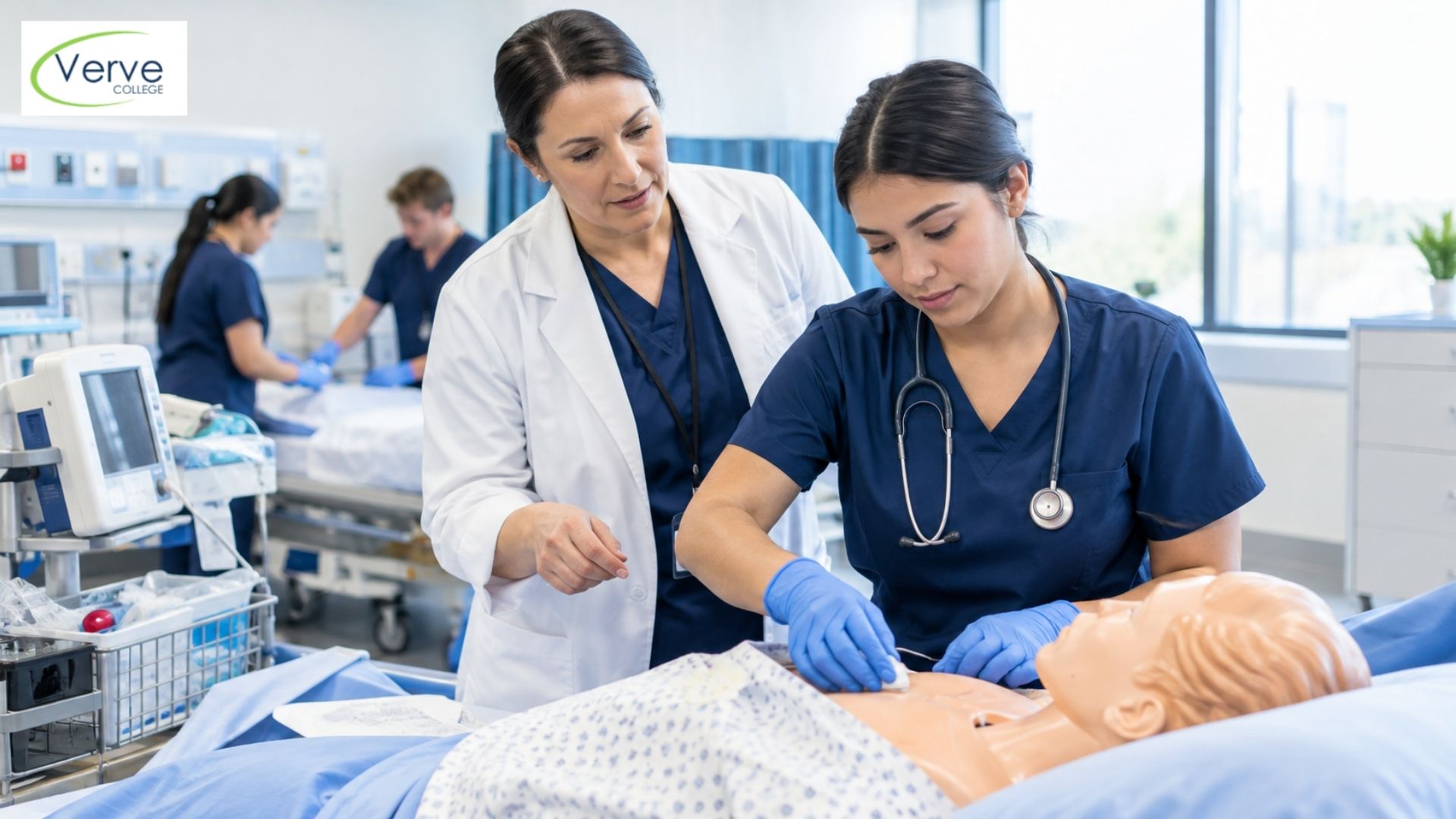
7 Benefits of Hands-On Nursing Education…
October 12, 2026 Read More
What Is Tissue Perfusion? A Simple…
October 12, 2026 Read More