- Oak Brook:(630) 705-9999
- Chicago:(312) 920-8822
- Email:inquiry@vervecollege.edu
- Make a Payment
 Sign up
 Login
Login
- Home
- Programs
- Admission
- Resources
- ATI Entrance Exam Resources
- New E-Digital Library
- Refer a Friend
- School Newsletter
- Events
- Employers
- Job-Network
- Alpha Beta Kappa Candidates
- Verve College Library
- Graduation and Pinning Ceremony Photo Galleries
- Textbook Information
- Career Services
- Tutoring
- School Catalog
- FAQ
- Constitution Day Program
- Alumni
- Verve College Plans
- Financial Aid
- HEERF Reporting
- Satisfactory Academic Progress
- Apply For Financial Aid
- Net Price Calculator
- Return of Title IV Funds (R2T4)
- Financial Aid Office Code of Conduct
- Contact
- FAQs
- Verification Policy
- Vaccination Policy
- Student Right-to-Know Act
- Misrepresentation
- Information Security Program
- Academic Award Year
- Availability of Employee
- Cost of Attendance
- Health & Safety Exemption Requirement
- Students Rights and Responsibilities
- Leave of Absence
- Pell Formula
- Military Students
- Grants/ Scholarship Policy
- Contact Us
- Testimonials
- Blog
Is a Nursing Career Right For You?
Take The Free Quiz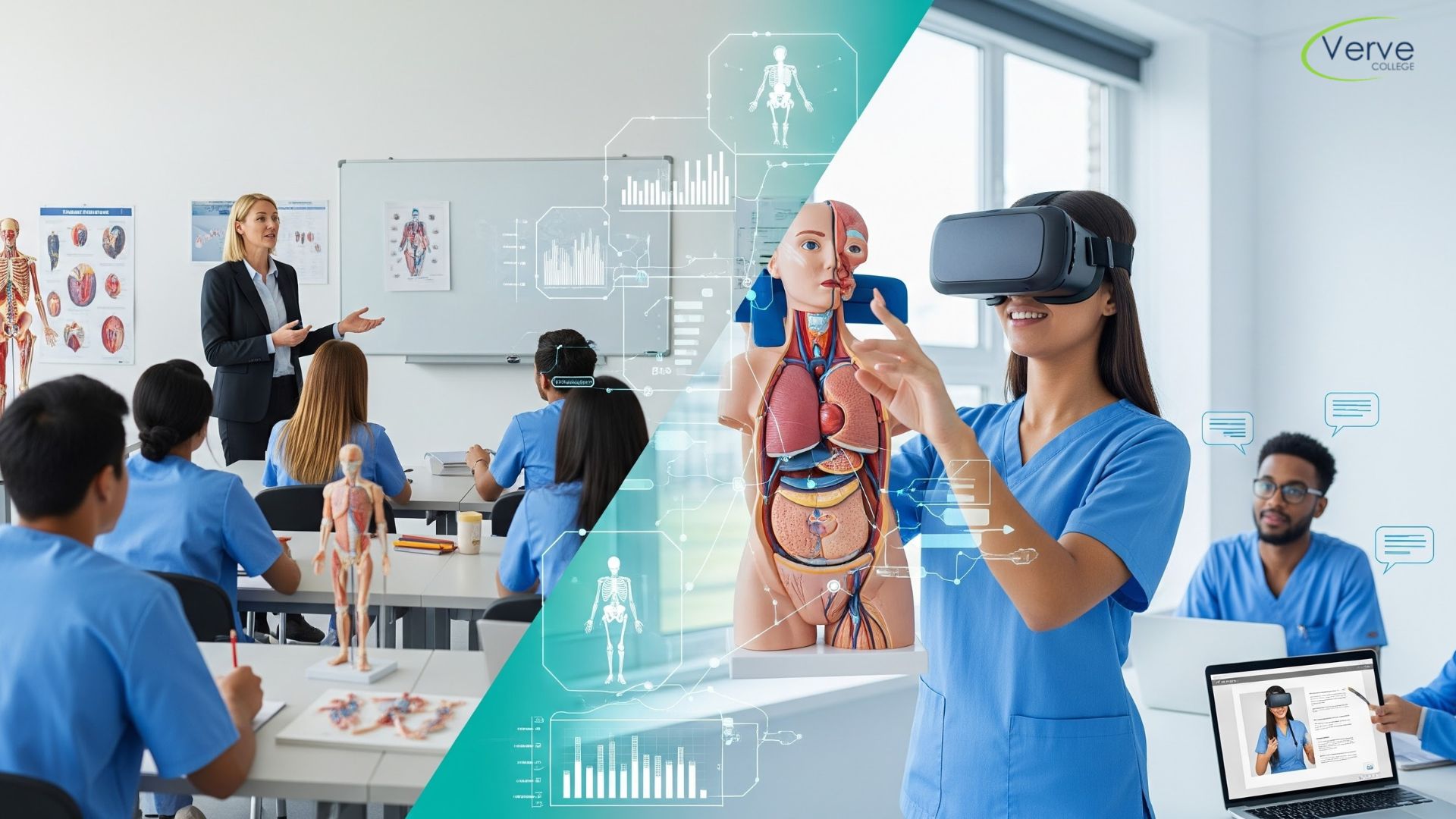
Why Hybrid Education is the Future of Healthcare Learning?
Why Hybrid Education is the Future of Healthcare Learning?
Healthcare education must evolve with modern healthcare systems. Students today need flexibility, but healthcare training cannot lose hands-on practice. Hybrid education solves this challenge by combining online learning with in-person clinical training. This approach supports working students, improves learning outcomes, and prepares learners for real healthcare environments. Many students now search for hybrid LPN programs near me because they want a balance between convenience and practical experience without compromising skill development.
Key Takeaways
- Hybrid education blends online learning with in-person clinical practice
- It supports flexible schedules while maintaining training quality
- Students gain confidence through real healthcare exposure
- Hybrid models match current healthcare workforce needs
What is Hybrid Education in Healthcare Learning?
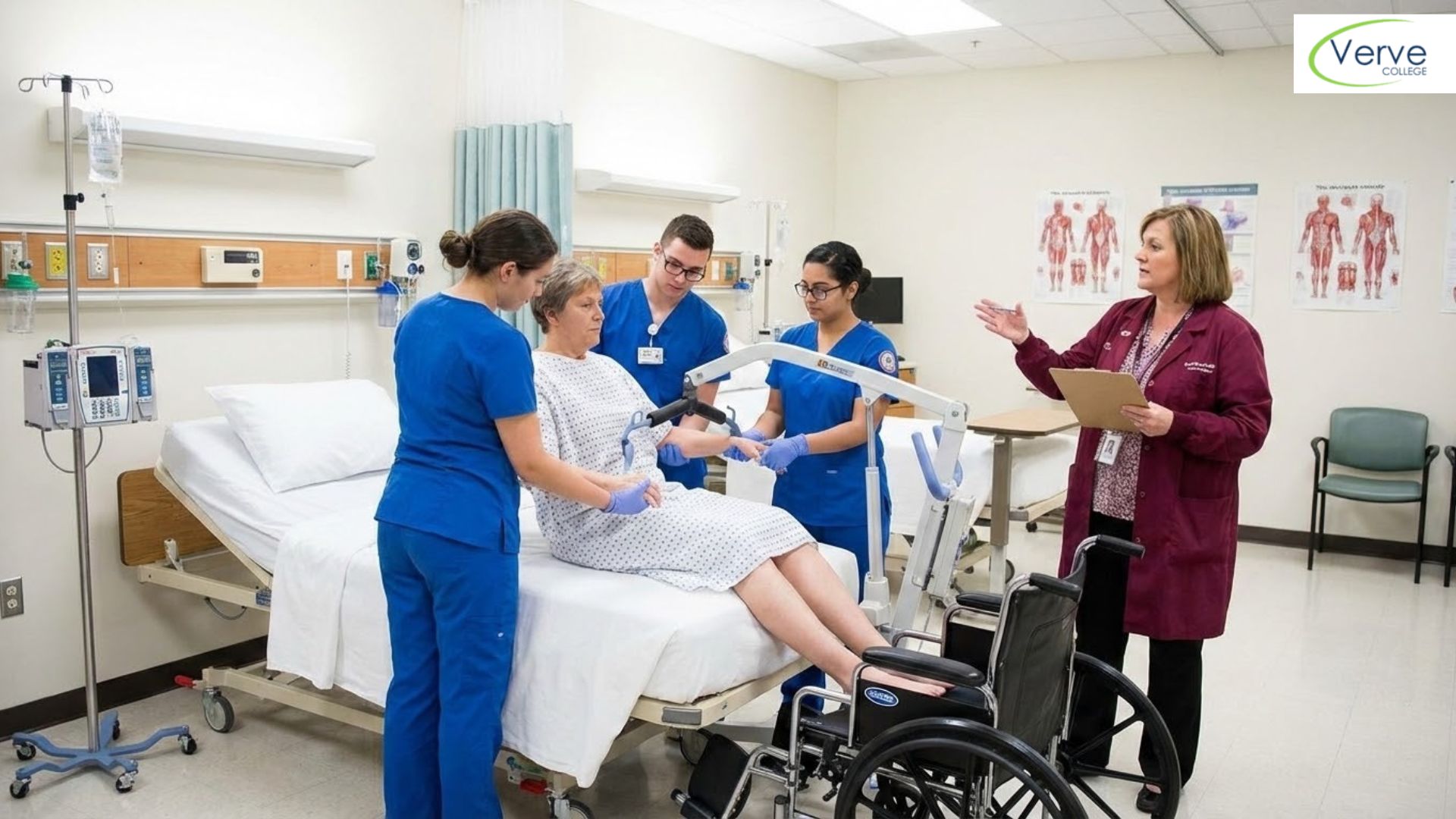
Hybrid education in healthcare combines digital coursework with face-to-face lab and clinical sessions. Students learn theoretical concepts, including anatomy, pharmacology, and healthcare ethics, through online platforms. These lessons are then reinforced during in-person practice, where students apply what they learned in real or simulated clinical environments. This structure helps students understand complex medical concepts more deeply. Instead of memorizing information, learners actively use their knowledge, which improves retention and clinical judgment. Hybrid education reflects how healthcare professionals actually work, using both digital tools and hands-on skills daily.
Why Does Healthcare Education Need a Hybrid Approach?
Healthcare careers demand more than academic knowledge. Professionals must communicate clearly, think critically, and perform procedures accurately. Traditional classroom-only learning limits flexibility, while fully online education lacks hands-on experience. Online education fills this gap. It allows students to study at their own pace while still receiving structured clinical training. This approach reduces burnout and improves focus. As healthcare systems grow more complex, hybrid education ensures students are prepared for both patient care and technology-driven environments, making them workforce-ready upon graduation.
How Does Hybrid Learning Improve Clinical Skills?
Online learning strengthens clinical skills by connecting theory directly to practice. Students attend labs and clinical rotations where they practice patient assessments, infection control, and medical procedures. Because theoretical learning happens online first, students arrive better prepared for hands-on sessions. Instructors can focus on skill development rather than basic explanations. In the middle of their education journey, many students choose online hybrid LPN programs because these programs offer consistent practice, guided supervision, and real-time feedback. This structure builds confidence, accuracy, and professional competence.
How Does Technology Support Hybrid Healthcare Education?
Technology plays a vital role in hybrid learning. Online platforms offer videos, simulations, case studies, and assessments that mirror real healthcare situations. Students become familiar with digital tools commonly used in hospitals and clinics, such as electronic health records and virtual consultations. This exposure improves decision-making and adaptability. Technology also allows instructors to track progress and provide timely feedback. By integrating digital learning with physical practice, this prepares students for modern healthcare workplaces where technology and patient care work together.
Who Benefits Most From Hybrid Healthcare Education?
Hybrid education benefits students who need flexibility without sacrificing quality training. Working adults, parents, and career changers find hybrid classes easier to manage. Students also benefit academically because they can revisit online lessons as needed while gaining hands-on experience during clinical sessions. This structure supports different learning styles and reduces stress. Online education also benefits healthcare employers by producing graduates who are confident, skilled, and familiar with real-world healthcare environments from day one.
Conclusion
Hybrid education has become the future of healthcare learning because it balances flexibility, technology, and clinical training. It supports deeper understanding, stronger skill development, and better student outcomes. As healthcare demands continue to rise, institutions offering online education demonstrate commitment to quality and workforce readiness. Students who choose the best nursing colleges in Illinois that follow a structured hybrid model gain a strong foundation for long-term success in healthcare careers.
Want to Make a Career in Nursing? Get More Information About Our Courses!
FAQs
1.Is hybrid education effective for healthcare training?
Yes. Hybrid education combines flexible learning with hands-on practice, helping students build both knowledge and clinical confidence.
2.Can hybrid programs prepare students for real patient care?
Absolutely. In-person labs and clinical rotations ensure students practice real skills under professional supervision.
3.Why is hybrid learning growing in healthcare education?
Healthcare requires both technical knowledge and practical skills.
Most Popular Blogs Posts
Vital Signs Monitoring: A Complete Student…
March 26, 2026 Read More
Soft Skills That Make You a…
March 25, 2026 Read More
Compact Bone vs Spongy Bone: Key…
March 24, 2026 Read More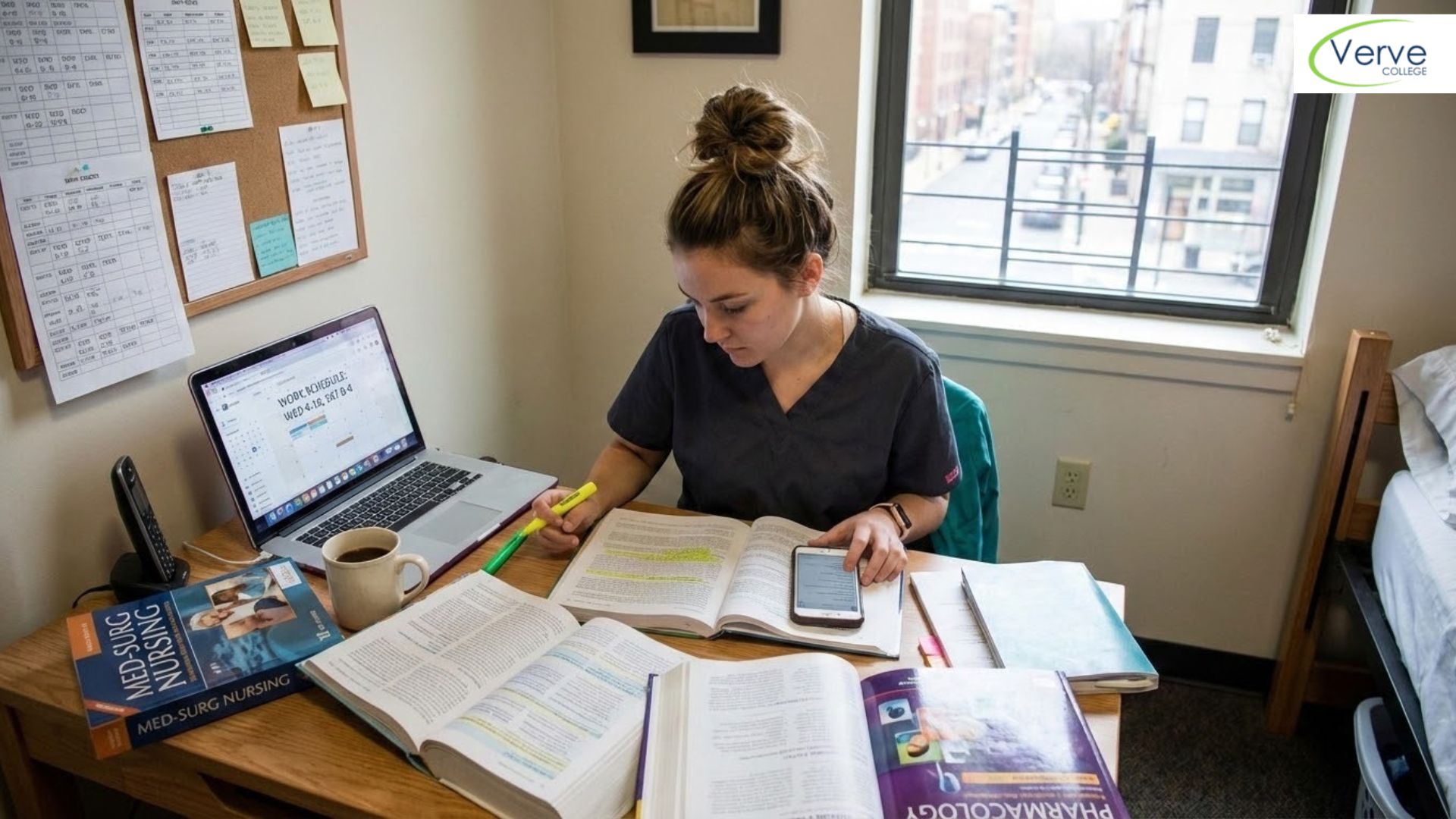
Can You Work While Studying LPN?…
March 24, 2026 Read More