Sign up
 Login
Login
Is a Nursing Career Right For You?
Take The Free Quiz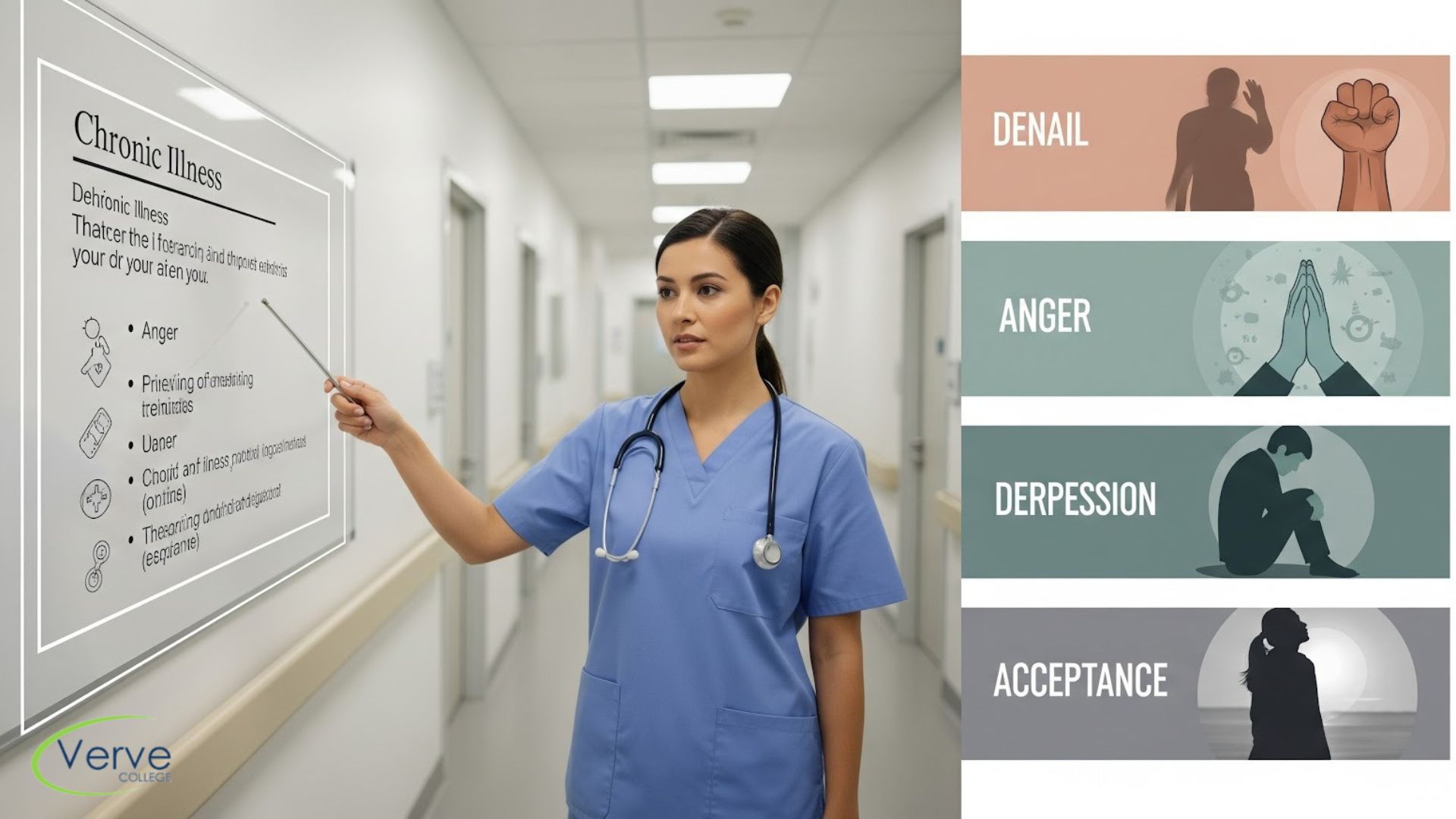
Chronic Illness Explained: Definition and Stages of Acceptance
Chronic Illness Explained: Definition and Stages of Acceptance
Understanding the chronic health problems definition is an essential first step for anyone who wants to support themselves or a loved one living with long-term medical conditions. Chronic illnesses are far more common today because of lifestyle factors, genetics, stress, and environmental changes. These conditions do not go away quickly and often require continuous treatment or daily management. Many students preparing for healthcare careers learn foundational concepts in an A&P nursing class, where they study how long-term diseases affect different systems of the body.
Chronic illness does not only impact a person physically—it also affects emotions, routines, relationships, and quality of life. When someone is diagnosed, they often go through several emotional stages before they reach acceptance. By learning the meaning of chronic illness and understanding these stages, individuals and families can make better decisions and cope more confidently. This blog explains the definition, the stages of acceptance, and the importance of emotional awareness while managing chronic health conditions.
Key Takeaways
- Chronic illnesses last for months or years and require long-term medical attention.
- Emotional stages such as denial, anger, bargaining, depression, and acceptance are normal responses.
- Understanding these stages reduces stress and helps individuals adjust.
- Support, education, and early guidance are important in managing chronic health challenges.
- Family members, caregivers, and students entering the healthcare field should know how chronic illnesses influence daily life and mental well-being.

Chronic Health Problems Definition
Chronic health problems are diseases or conditions that last longer than three months and often develop slowly. They may be stable, gradually worsen, or fluctuate depending on lifestyle choices and medical care. Common examples include diabetes, chronic obstructive pulmonary disease (COPD), arthritis, asthma, high blood pressure, kidney disease, autoimmune disorders, and heart disease.
These conditions require continuous monitoring, regular doctor visits, medications, and sometimes major lifestyle adjustments. A key difference between chronic and acute illnesses is time. Acute illnesses appear suddenly and usually resolve quickly, while chronic illnesses linger and become part of a person’s long-term life plan. For many individuals, learning about their condition helps them feel more prepared and less anxious. Healthcare professionals, including nurses, play a major role in helping patients understand their diagnosis, treatment steps, and self-care strategies.
Stages of Acceptance of Chronic Illness
1. Denial: “This Can’t Be Real.”
Denial is often the first reaction after diagnosis. It is a natural defense mechanism that protects the mind from overwhelming information. During this stage, a person may question the accuracy of tests or believe the condition is temporary. They might avoid discussing the illness or skip appointments because it feels too difficult to process.
Although denial is normal, staying in this stage for too long can delay treatment. Support from family, friends, and healthcare teams helps individuals slowly accept the reality of their diagnosis. Education also plays a huge role—when people understand how the illness works, denial starts to weaken.
2. Anger: “Why Did This Happen to Me?”
When the truth of the condition becomes clear, anger may arise. This anger can be directed at the body, doctors, family members, or even life in general. People may feel frustrated about lifestyle changes, medications, or physical limitations.
Expressing emotions during this stage is important. Many benefit from journaling, therapy, or speaking to support groups. Understanding that anger is not a sign of weakness but a natural emotional stage helps people move forward. With time, this emotion shifts into the desire to learn more and take control of the situation.
3. Bargaining: “If I Try Harder, Maybe Things Will Improve.”
Bargaining reflects the desire to control the situation. A person may create internal promises, hoping the illness will reverse or become easier. They may think, “If I eat healthier, maybe this will go away,” or “If I exercise daily, I might be cured.”
While healthy lifestyle choices do help, bargaining can cause emotional stress if expectations are unrealistic. During this stage, guidance from healthcare professionals is very valuable. They help patients understand what improvements are possible and how to set realistic goals. Many people also begin researching nursing schools near me or local healthcare programs to gain deeper knowledge about chronic disease management, especially if they want to support their families or pursue a nursing career.
4. Depression: “This Is Too Much for Me.”
Depression may occur when the emotional weight becomes heavier. People may feel sad, discouraged, or anxious about their future. They might withdraw socially or lose interest in activities they once enjoyed.
This stage does not mean failure. It is simply a response to major life changes. Open communication, therapy, medical interventions, and emotional support can help individuals move through this stage. Building a routine—like eating well, staying active, and connecting with supportive communities—can also reduce emotional distress. The goal is not to eliminate sadness but to help the person feel supported and understood.
5. Acceptance: “I Can Handle This and Move Forward.”
Acceptance is not the same as being happy about the illness. Instead, it means acknowledging reality and learning to live positively despite challenges. Individuals begin focusing on long-term chronic care management, understanding their symptoms, and building healthier habits. They may explore new lifestyle routines, join wellness programs, or educate themselves further.
In this stage, people often prioritize regular check-ups, medication schedules, and diet changes. They learn what triggers symptoms and how to maintain stability. Acceptance empowers individuals to take control, improve their quality of life, and stay mentally strong.
Why Understanding These Stages Matters?
Recognizing these emotional stages helps people feel less alone and less confused about their reactions. Many individuals think something is wrong with them when they feel angry or depressed after diagnosis, but these feelings are part of the healing journey. Families also benefit from understanding these stages, as it helps them offer better support.
Healthcare students and professionals learn to recognize emotional shifts in patients and guide them through those moments. Managing chronic illness requires teamwork from doctors and nurses to family members, caregivers, and the patient themselves.

Conclusion
Understanding the chronic health problems definition gives clarity and emotional strength to those affected by long-term conditions. Every stage of acceptance, from denial to acceptance, helps individuals build resilience. With the right support, good communication, and a willingness to learn, people can manage chronic illnesses with confidence. Many individuals also benefit from exploring learning opportunities, such as an anatomy and physiology course near me, which deepens their understanding of long-term health conditions and how the body responds to them.
Want to Make a Career in Nursing? Get More Information About Our Courses!
FAQs
- How do chronic illnesses affect daily life?
They may require medications, routine check-ups, lifestyle adjustments, and symptom monitoring. Emotional changes can also occur as the person adapts to long-term management. - Are the stages of acceptance the same for everyone?
No, people move through these stages differently. Some experience all five, while others may skip stages or revisit them over time. - Can someone live a normal life with a chronic illness?
Yes. With proper treatment, emotional support, healthy habits, and education, many individuals manage their condition effectively and maintain a fulfilling life.
Most Popular Blogs Posts

Vital Signs Monitoring: A Complete Student…
March 26, 2026 Read More
Soft Skills That Make You a…
March 25, 2026 Read More
Compact Bone vs Spongy Bone: Key…
March 24, 2026 Read More
Can You Work While Studying LPN?…
March 24, 2026 Read More