Sign up
 Login
Login
Is a Nursing Career Right For You?
Take The Free Quiz
Chronic Care Management: Key Practices and Patient Benefits
Chronic Care Management: Key Practices and Patient Benefits
Managing long-term health conditions requires consistent care, guidance, and support. Today, patients are living longer, but many are also managing ongoing conditions like diabetes, hypertension, arthritis, heart disease, and asthma. Because of this, healthcare providers rely on structured approaches that help patients stay organized, safe, and confident in managing their health. This is where chronic care management plays a powerful role. Whether a student taking an A&P nursing class, a healthcare worker, or someone supporting a loved one, understanding this process can make care more effective and compassionate.
Key Takeaways
- Chronic care management helps patients manage long-term conditions with consistent support.
- It includes care coordination, medication management, regular monitoring, and lifestyle guidance.
- CCM improves quality of life, prevents hospital visits, and strengthens patient-provider communication.
- It is built around a personalized care plan tailored to each patient’s specific health needs.
- Care teams include nurses, physicians, specialists, and caregivers who work together for better outcomes.
Chronic Care Management
Chronic care management (CCM) refers to a structured, ongoing approach used by healthcare providers to help patients manage long-term health conditions, including chronic health problems that typically last a year or more. These conditions typically last a year or more and require continuous medical attention or limit daily activities. Examples include diabetes, COPD, heart disease, chronic kidney disease, and autoimmune disorders.
The main goal of CCM is simple: improve a patient’s overall well-being and reduce long-term complications. However, the process behind it is detailed and requires careful planning. It focuses on coordination, monitoring, education, and proactive intervention ensuring that patients feel supported every step of the way.
Why Chronic Care Management Matters?
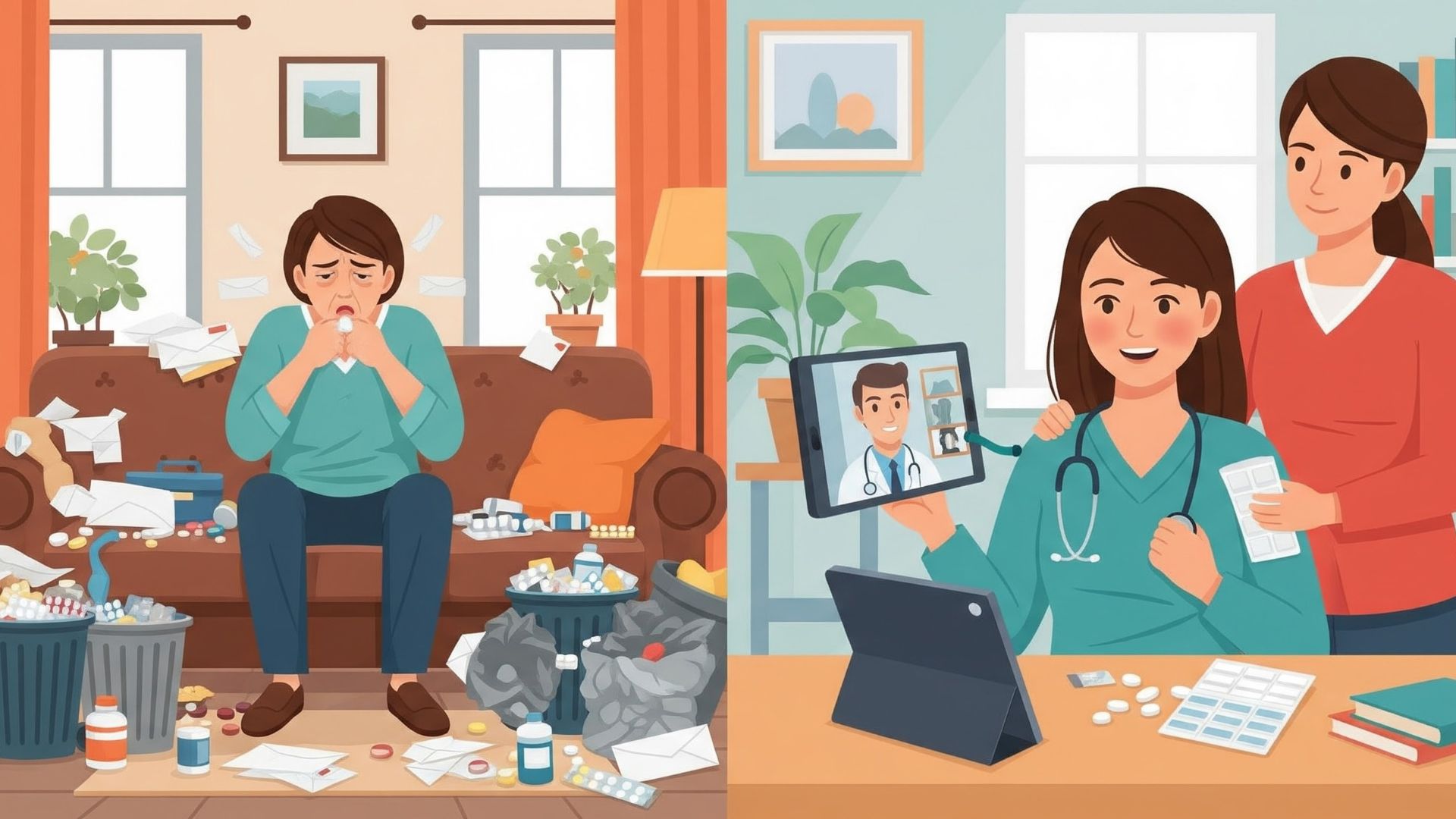
Chronic conditions affect millions of people, and without structured support, many find it difficult to keep track of symptoms, treatments, medications, and follow-ups. CCM helps reduce confusion and replaces it with clarity, support, and regular guidance.
Patients who receive structured chronic care are more likely to:
- Avoid unnecessary hospital visits
- Manage symptoms early
- Follow treatment plans accurately
- Stay motivated to adopt a healthier lifestyle
Core Components of Chronic Care Management
1. Personalized Care Planning
A personalized care plan outlines a patient’s conditions, treatment steps, medications, and goals. It helps every provider stay aligned and gives the patient a clear roadmap to manage symptoms, reduce risks, and stay organized with long-term care.
2. Regular Monitoring and Follow-Up
Regular monitoring helps providers track changes in symptoms, treatment response, and overall health status. Through scheduled check-ins, early alerts, and timely adjustments, patients avoid complications and maintain better control over their chronic conditions.
3. Medication Management
Medication management ensures patients understand how, when, and why to take their medicines. It reduces missed doses, prevents harmful interactions, and simplifies complex schedules, resulting in safer treatment and more consistent health improvements.
4. Care Coordination Across Providers
Care coordination brings doctors, nurses, and specialists together to create a unified treatment approach. By sharing updates and avoiding conflicting recommendations, patients receive seamless, efficient care that supports all aspects of their chronic condition.
5. Patient Education and Lifestyle Support
Patient education empowers individuals to manage symptoms, adopt healthy habits, recognize warning signs, and make informed choices. It builds confidence, supports long-term adherence, and helps patients understand the “why” behind every part of their treatment.
6. Emotional and Social Support
Emotional support gives patients a safe space to express fears, frustrations, and concerns related to their chronic illness. Guidance, counseling resources, and family involvement help reduce stress and make daily management more manageable and motivating. Potential students also get to learn about emotional & social support by exploring the A&P prep course Illinois.
Benefits of Chronic Care Management for Patients
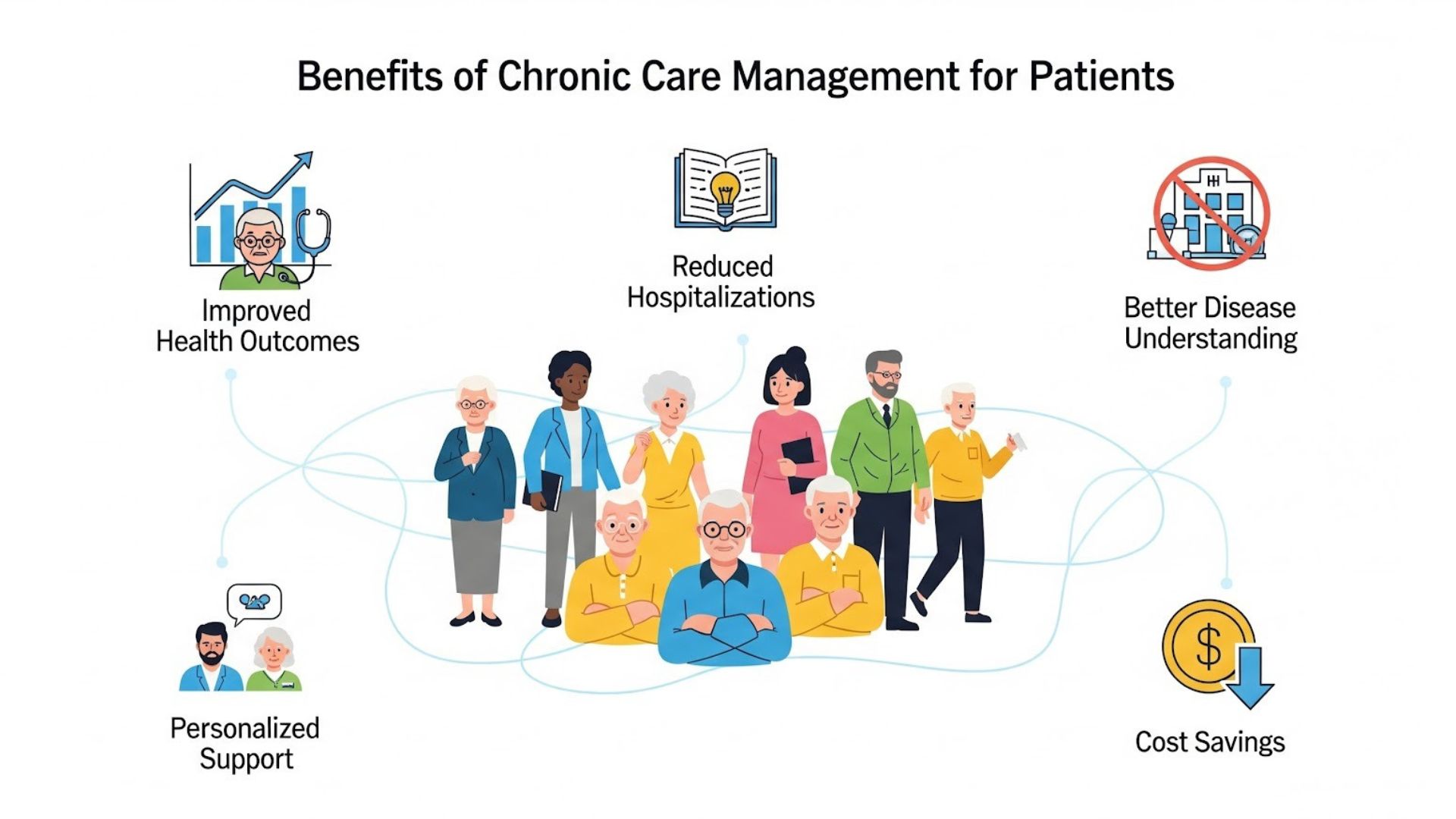
1. Better Health Outcomes
Continuous monitoring, early intervention, and personalized treatment work together to reduce complications. With structured guidance, patients maintain stable health, avoid dangerous fluctuations, and experience more predictable, positive outcomes.
2. Improved Quality of Life
With organized care, emotional support, and clear guidance, patients feel more secure and less overwhelmed. They gain independence, manage symptoms with confidence, and enjoy daily activities with fewer limitations.
3. Fewer Hospital Visits
By catching issues early and preventing avoidable flare-ups, chronic care management reduces emergency visits and hospital stays. This saves time, money, and emotional strain while helping patients maintain consistent health.
4. Stronger Patient–Provider Relationships
Regular communication builds trust and encourages patients to share concerns openly. Providers gain better insight into day-to-day challenges, leading to more personalized, compassionate care.
5. More Organized, Efficient Care
With a shared care plan and coordinated providers, patients receive consistent instructions and timely interventions. This prevents confusion, reduces duplicate tests, and ensures every part of their treatment works together smoothly.
How Technology Supports Chronic Care Management?
Technology has made CCM more effective and accessible. Tools include:
- Wearable health trackers
- Remote patient monitoring (RPM) systems
- Telehealth check-ins
- Mobile apps for medication reminders
- digital health records shared by all providers
These tools allow providers to track real-time data, making care faster, safer, and more personalized.
What Makes Chronic Care Management Successful?
For CCM to be effective, three elements must work together:
1. Patient Engagement
Patients must participate actively—report symptoms, follow plans, and stay informed.
2. Strong Care Team Collaboration
Nurses, physicians, specialists, and caregivers must communicate regularly.
3. Consistent Follow-Up
Routine check-ins help maintain progress and catch issues early.
Conclusion
In today’s healthcare environment, chronic care management plays a vital role in helping people manage long-term conditions with confidence and clarity. By combining structured planning, ongoing monitoring, coordinated provider communication, and emotional support, it creates a comprehensive safety net for patients. This approach ensures that individuals receive consistent care, timely guidance, and personalized strategies that improve their day-to-day health and reduce complications over time.
For future caregivers and students exploring LPN schools near me, understanding chronic care management is essential for delivering high-quality, patient-centered care. The right blend of structure, compassionate teamwork, and proactive follow-up allows patients to live fuller, safer, and more stable lives. When caregivers apply CCM principles effectively, they help patients stay motivated, prevent avoidable health issues, and feel supported throughout every stage of their journey.
Want to Make a Career in Nursing? Get More Information About Our Courses!
FAQs
1. Who qualifies for chronic care management?
Patients with two or more ongoing health conditions—such as diabetes, asthma, or heart disease—typically qualify for CCM services.
2. Is chronic care management expensive?
Costs vary, but many insurance plans, including Medicare, offer coverage for CCM services because they help prevent costly hospitalizations.
3. How does CCM help caregivers?
It gives caregivers clearer guidance, reduces confusion about medications or appointments, and ensures they have professional support when managing a loved one’s condition.
Most Popular Blogs Posts

Soft Skills That Make You a…
March 25, 2026 Read More
Compact Bone vs Spongy Bone: Key…
March 24, 2026 Read More
Can You Work While Studying LPN?…
March 24, 2026 Read More
Skeletal System: Everything Nursing Students Should…
March 23, 2026 Read More