- Oak Brook:(630) 705-9999
- Chicago:(312) 920-8822
- Email:inquiry@vervecollege.edu
- Make a Payment
 Sign up
 Login
Login
- Home
- Programs
- Admission
- Resources
- ATI Entrance Exam Resources
- New E-Digital Library
- Refer a Friend
- School Newsletter
- Events
- Employers
- Job-Network
- Alpha Beta Kappa Candidates
- Verve College Library
- Graduation and Pinning Ceremony Photo Galleries
- Textbook Information
- Career Services
- Tutoring
- School Catalog
- FAQ
- Constitution Day Program
- Alumni
- Verve College Plans
- Financial Aid
- HEERF Reporting
- Satisfactory Academic Progress
- Apply For Financial Aid
- Net Price Calculator
- Return of Title IV Funds (R2T4)
- Financial Aid Office Code of Conduct
- Contact
- FAQs
- Verification Policy
- Vaccination Policy
- Student Right-to-Know Act
- Misrepresentation
- Information Security Program
- Academic Award Year
- Availability of Employee
- Cost of Attendance
- Health & Safety Exemption Requirement
- Students Rights and Responsibilities
- Leave of Absence
- Pell Formula
- Military Students
- Grants/ Scholarship Policy
- Contact Us
- Testimonials
- Blog
Is a Nursing Career Right For You?
Take The Free Quiz
Can You Work While Studying LPN? A Realistic Student Guide
Can You Work While Studying LPN? A Realistic Student Guide
Healthcare workforce data shows a growing demand for practical nurses, with many students choosing flexible learning paths to enter the field. According to industry reports, a large percentage of nursing students balance part-time or even full-time jobs while completing their education. This makes it important to understand whether it is truly possible to manage both responsibilities successfully.
Many students who plan to Become a licensed practical nurse often face financial and time-related challenges, leading them to consider working during their studies. While it is possible, it requires planning, discipline, and realistic expectations.
Key Takeaways
- Working while studying LPN is possible but requires strong time management and realistic scheduling. Balancing classes, clinical training, and job responsibilities can be demanding, especially during exam periods or hands-on training. Students who succeed usually plan their weeks in advance, prioritize tasks, and avoid overcommitting. Managing energy levels and avoiding burnout is just as important as managing time.
- Part-time work is often more manageable than full-time employment during LPN programs. Many students choose flexible jobs that allow them to adjust their schedules based on class and clinical requirements. This flexibility helps reduce stress and ensures that academic performance does not suffer while still providing financial support.
- Choosing the right program structure can make balancing work easier. Programs with flexible schedules, such as evening or weekend classes, allow students to continue working without missing important coursework. Understanding your personal limits and selecting the right learning format plays a major role in long-term success.
Understanding the Demands of LPN Programs
LPN programs are designed to prepare students for real-world patient care, which means they include both classroom learning and clinical training. Coursework often covers topics like anatomy, pharmacology, patient care techniques, and medical ethics.
Clinical rotations are a major part of the program and require students to spend time in healthcare settings such as hospitals or long-term care facilities. These shifts can be physically and mentally demanding, especially when combined with a job.
Because of these requirements, students need to understand that their schedule will not always be predictable. Some weeks may require more focus on studies, while others may allow more flexibility for work.
Benefits of Working While Studying
Working during your LPN program can offer several advantages beyond financial support. It helps students develop time management skills, responsibility, and real-world experience.
If the job is related to healthcare, such as working as a nursing assistant, it can also improve clinical understanding. Students may feel more confident during patient interactions because they are already familiar with healthcare environments.
Additionally, working can help reduce financial stress, which allows students to focus better on their education. However, the key is to maintain balance and not let work interfere with academic progress.
Challenges You Should Be Prepared For
Balancing work and study is not always easy. One of the biggest challenges is time management. Students may feel overwhelmed when assignments, exams, and work shifts overlap.
Fatigue is another common issue. Long hours of study followed by work shifts can lead to burnout if not managed properly. This is why it is important to schedule breaks and maintain a healthy routine.
Students also need to consider the physical demands of clinical training. Standing for long hours, assisting patients, and handling medical equipment require energy and focus. Without proper rest, performance in both work and studies can suffer.
Choosing the Right Schedule for Success
Selecting the right program format can make a significant difference in how manageable your routine is. Many students prefer flexible options that allow them to work without missing classes.
For example, lpn weekend classes can be a practical choice for those who work during weekdays. These programs help students balance responsibilities more effectively by reducing schedule conflicts.
It is important to evaluate your personal situation before choosing a schedule. Consider your work hours, commute time, and study habits. A well-planned routine can make the entire experience more manageable.
Tips to Balance Work and LPN Studies
Creating a structured routine is one of the most effective ways to stay organized. Students should set clear priorities and allocate specific time slots for studying, working, and resting.
Communication is also important. Informing employers about your academic commitments can help in adjusting work schedules when needed. Many employers are willing to support students who are pursuing healthcare careers.
Lastly, self-care should not be ignored. Getting enough sleep, eating well, and taking short breaks can improve focus and productivity. A healthy routine supports both academic success and overall well-being.
Conclusion
Working while studying in an LPN program is possible, but it requires careful planning and realistic expectations. Students who manage both successfully often rely on strong time management, flexible schedules, and a clear understanding of their limits.
While part-time work is generally more manageable, the right program structure can make a big difference. Exploring options at licensed practical nursing schools that offer flexible learning formats can help students balance education and work more effectively.
Ultimately, success depends on maintaining balance, staying organized, and focusing on long-term career goals in nursing.
Get Your Nursing Career Training Readiness Score Now!
FAQs
1. How many hours should LPN students work per week?
Most students find that working 15–25 hours per week is manageable, but this can vary depending on the intensity of the program and personal energy levels.
2. Is it better to work in healthcare while studying LPN?
Working in healthcare can be beneficial because it provides practical experience and helps build confidence in patient care settings, but it is not required.
3. What should I do if work starts affecting my studies?
If work begins to impact academic performance, it is important to reduce work hours, adjust schedules, or seek support to maintain a healthy balance.
Most Popular Blogs Posts
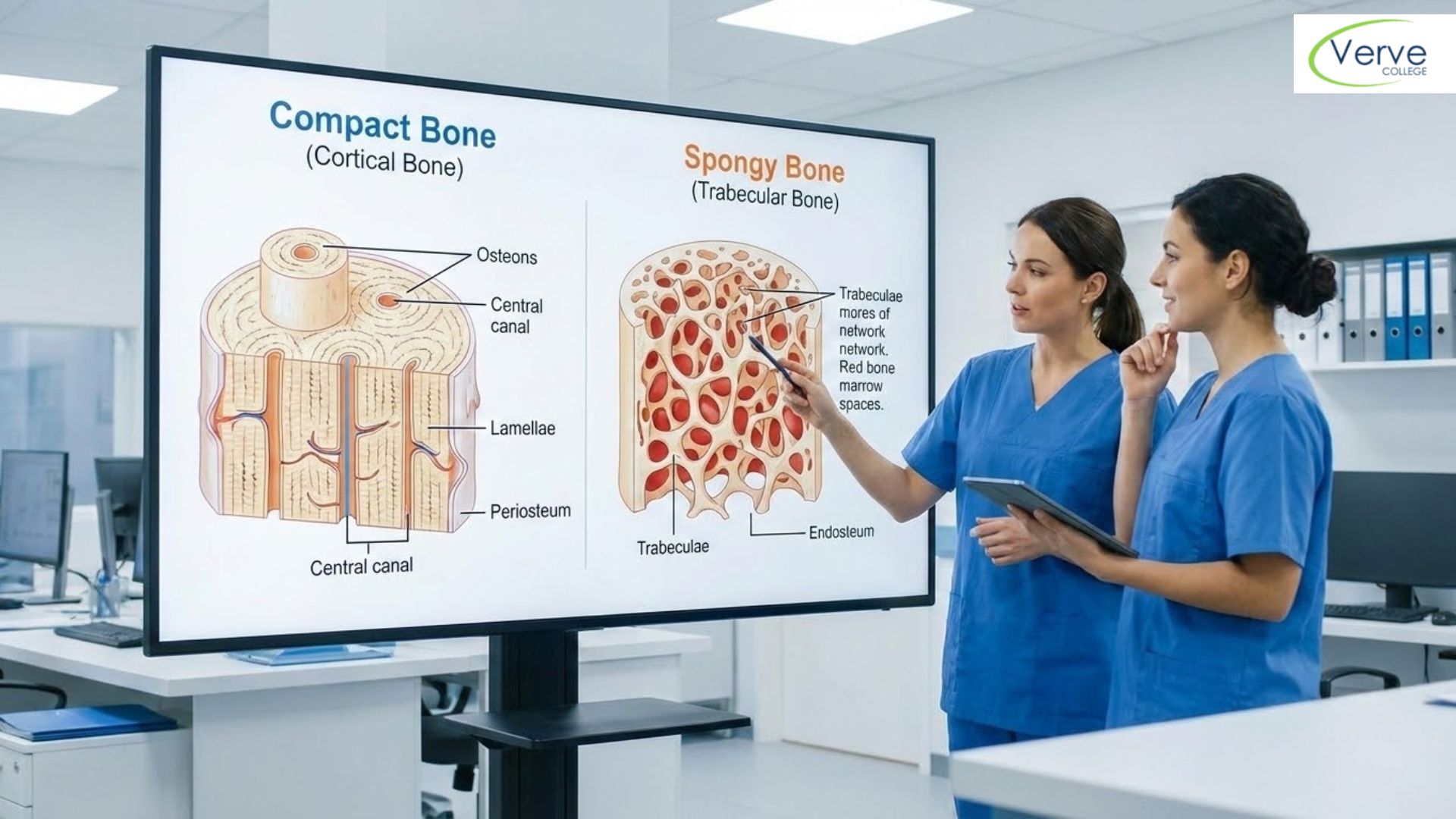
Compact Bone vs Spongy Bone: Key…
March 24, 2026 Read MoreCan You Work While Studying LPN?…
March 24, 2026 Read More
Skeletal System: Everything Nursing Students Should…
March 23, 2026 Read More
Complete Guide to Skeletal Tissues, Bone…
March 19, 2026 Read More