Sign up
 Login
Login
Is a Nursing Career Right For You?
Take The Free Quiz
Blog
In the Blog

Pros & Cons of a 40-Hour Week in Nursing Homes
Working in nursing homes often means long hours, demanding care routines, and shift rotations. A standard 40-hour workweek is common, but how does it impact nurses, residents, and the facility as a whole? Understanding the advantages and challenges of this…
Read More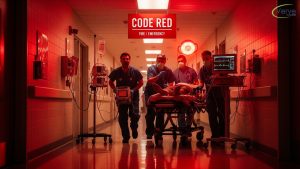
Code Red in Medical Settings: Full Guide
According to the National Fire Protection Association (NFPA), U.S. fire departments respond to more than 1.3 million fires each year, and healthcare facilities are considered high-risk environments because patients may not be able to move on their own. In hospitals…
Read More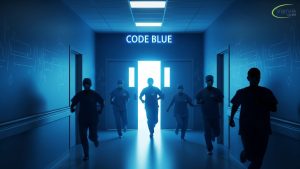
Code Blue in Hospitals: What You Should Know
According to the American Heart Association, more than 350,000 cardiac arrests occur in U.S. hospitals each year. In these moments, every second matters. When a patient’s heart stops beating or they stop breathing, a code blue hospital alert is announced.…
Read More
Blood Cells 101: Functions You Actually Need for Exams
Blood makes up about 7–8% of total body weight, and a single drop contains millions of cells working every second. For nursing and healthcare entrance exams, questions about blood cells are common because they connect to immunity, oxygen transport, clotting,…
Read More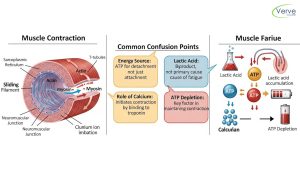
Muscle Fatigue & Contraction: Why It Confuses Students
Let’s be honest: the first time you see a diagram of a sarcomere, you probably want to close the textbook and reconsider a career in accounting. Muscle contraction feels like it should be simple—you think "move," and your arm moves.…
Read More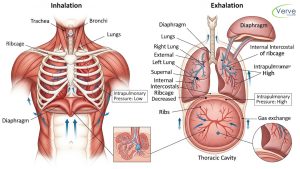
Breathing Mechanics for A&P Students (Without Overthinking)
Let’s be honest: the human respiratory system is usually taught as a dry list of organs, but in reality, it’s a high-pressure masterclass in physics. For many nursing students, "Breathing Mechanics" is the hurdle where the excitement of healthcare meets…
Read More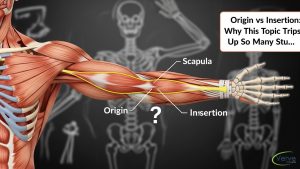
Origin vs Insertion: Why This Topic Trips Up So Many Students
You are sitting in your anatomy lab, staring at a model of the human arm, and your brain freezes. You know the muscle. You know what it does. But when the exam asks for the origin versus the insertion, it…
Read More
Why Neurons Are One of the Most Failed A&P Topics?
Anatomy and Physiology is often one of the most demanding subjects for students entering healthcare education. While many learners expect memorization to be the hardest part, the real challenge often lies in understanding complex systems that cannot be easily seen…
Read More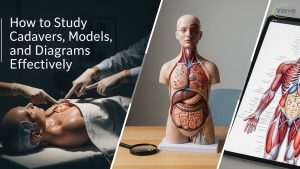
How to Study Cadavers, Models, and Diagrams Effectively?
Learning human anatomy is a core requirement for anyone pursuing a career in healthcare. For students enrolled in an A&P prep course, Illinois institutions offer, anatomy can initially feel overwhelming due to the volume of information and the need to…
Read More
How A&P Knowledge Improves Patient Assessment Skills
Understanding the human body isn't just about passing a test; it is about developing the "clinical eyes" necessary to save a life. In the high-stakes environment of a hospital, a nurse's ability to assess a patient quickly and accurately depends…
Read MoreMost Popular Blogs Posts

Vital Signs Monitoring: A Complete Student…
March 26, 2026 Read More
Soft Skills That Make You a…
March 25, 2026 Read More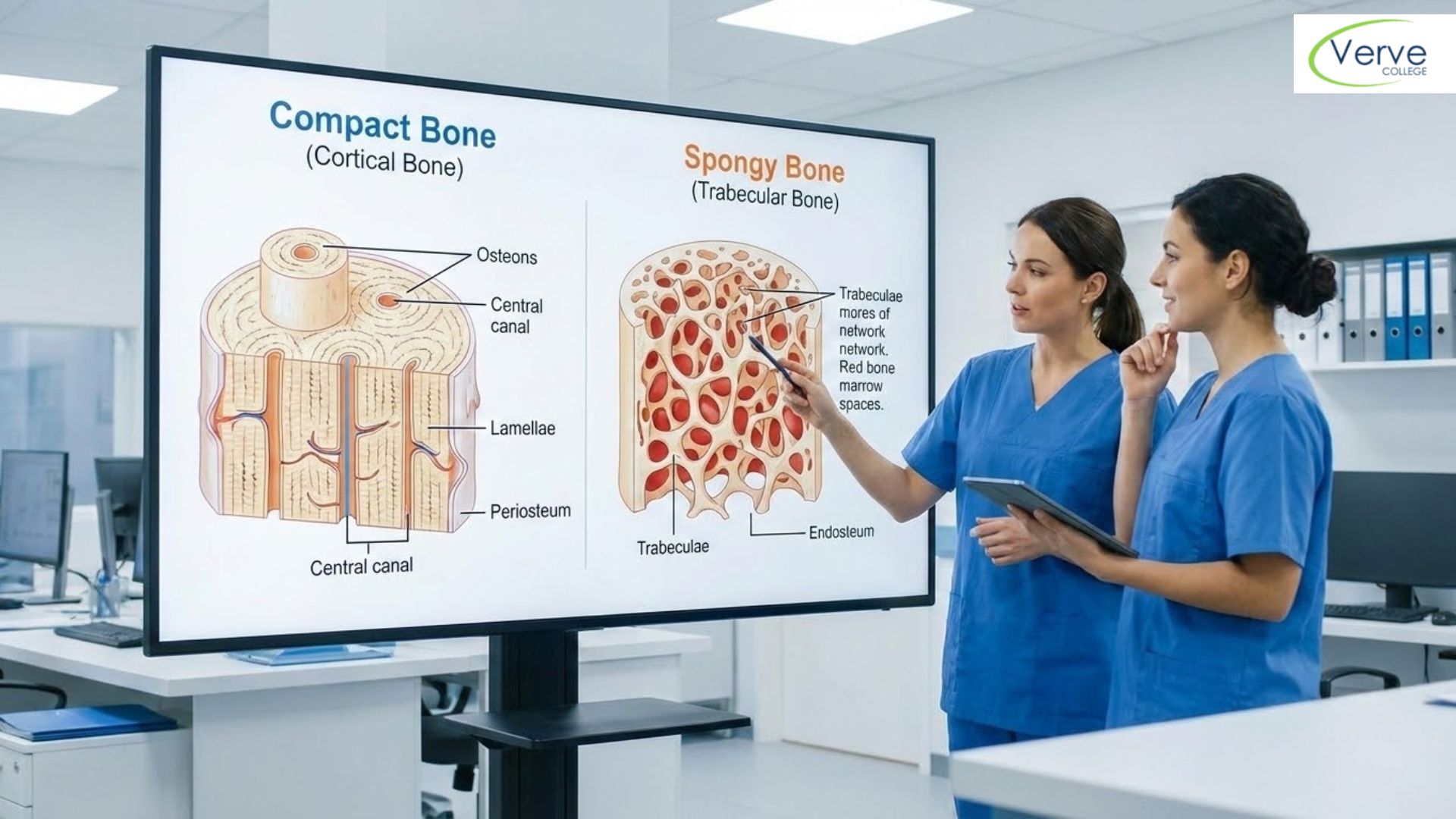
Compact Bone vs Spongy Bone: Key…
March 24, 2026 Read More
Can You Work While Studying LPN?…
March 24, 2026 Read More