- Oak Brook:(630) 705-9999
- Chicago:(312) 920-8822
- Email:inquiry@vervecollege.edu
- Make a Payment
 Sign up
 Login
Login
- Home
- Programs
- Admission
- Resources
- ATI Entrance Exam Resources
- New E-Digital Library
- Refer a Friend
- School Newsletter
- Events
- Employers
- Job-Network
- Alpha Beta Kappa Candidates
- Verve College Library
- Graduation and Pinning Ceremony Photo Galleries
- Textbook Information
- Career Services
- Tutoring
- School Catalog
- FAQ
- Constitution Day Program
- Alumni
- Verve College Plans
- Financial Aid
- HEERF Reporting
- Satisfactory Academic Progress
- Apply For Financial Aid
- Net Price Calculator
- Return of Title IV Funds (R2T4)
- Financial Aid Office Code of Conduct
- Contact
- FAQs
- Verification Policy
- Vaccination Policy
- Student Right-to-Know Act
- Misrepresentation
- Information Security Program
- Academic Award Year
- Availability of Employee
- Cost of Attendance
- Health & Safety Exemption Requirement
- Students Rights and Responsibilities
- Leave of Absence
- Pell Formula
- Military Students
- Grants/ Scholarship Policy
- Contact Us
- Testimonials
- Blog
Is a Nursing Career Right For You?
Take The Free Quiz
Understanding Nursing Home Care Plans: A Guide for Families
Understanding Nursing Home Care Plans: A Guide for Families
According to the CDC, more than 1.3 million people live in nursing homes across the United States. For many families, placing a loved one in a nursing home brings one big question—what is the nursing home’s plan for each patient? Families want to know how their loved one’s medical, daily, and emotional needs will be met.
A care plan is not just paperwork. It’s the roadmap that guides staff in giving personalized, safe, and respectful care. In fact, students in accredited LPN programs are trained to understand and build these plans so every patient gets the right level of attention.
What is a Nursing Home Care Plan?
A nursing home care plan is a detailed, written guide that explains how staff will meet a resident’s needs. It includes medical treatment, daily living support, emotional care, and safety measures. Every plan is personalized because each resident has unique health and lifestyle needs. Care plans help staff stay organized, ensure consistent care, and track progress over time.
Key Components of the Plan
- Medical Needs – Medications, therapies, and treatments prescribed by doctors.
- Daily Living Support – Assistance with bathing, eating, mobility, and personal care.
- Emotional and Social Care – Activities that promote mental health and social engagement.
- Safety Measures – Fall prevention, health checks, and monitoring to keep residents safe.
Who Creates and Updates the Plan?
Care plans are created by an interdisciplinary team, including nurses, doctors, therapists, and social workers. Families are encouraged to participate to ensure preferences are included. Nurses lead the process, monitoring health, documenting changes, and communicating updates to families. Plans are reviewed regularly and updated whenever a resident’s condition changes to keep care effective and relevant.
Why Care Plans Matter?
Personalized care plans improve safety, health outcomes, and quality of life. They also give families confidence that their loved one is being cared for with attention and respect. Helping future nurses provide hands-on, patient-centered care. Understanding what is the nursing home’s plan for each patient ensures families know exactly what to expect and how their loved one’s needs will be met.
Conclusion
Understanding what is the nursing home’s plan for each patient helps families feel confident that their loved ones are receiving the right care. Personalized care plans guide staff in managing medical needs, daily living, emotional support, and safety.
For those interested in a nursing career, practical nursing programs teach how to create and follow these care plans. Students gain the skills to provide safe, compassionate, and effective care in real nursing home settings.
Most Popular Blogs Posts

Soft Skills That Make You a…
March 25, 2026 Read More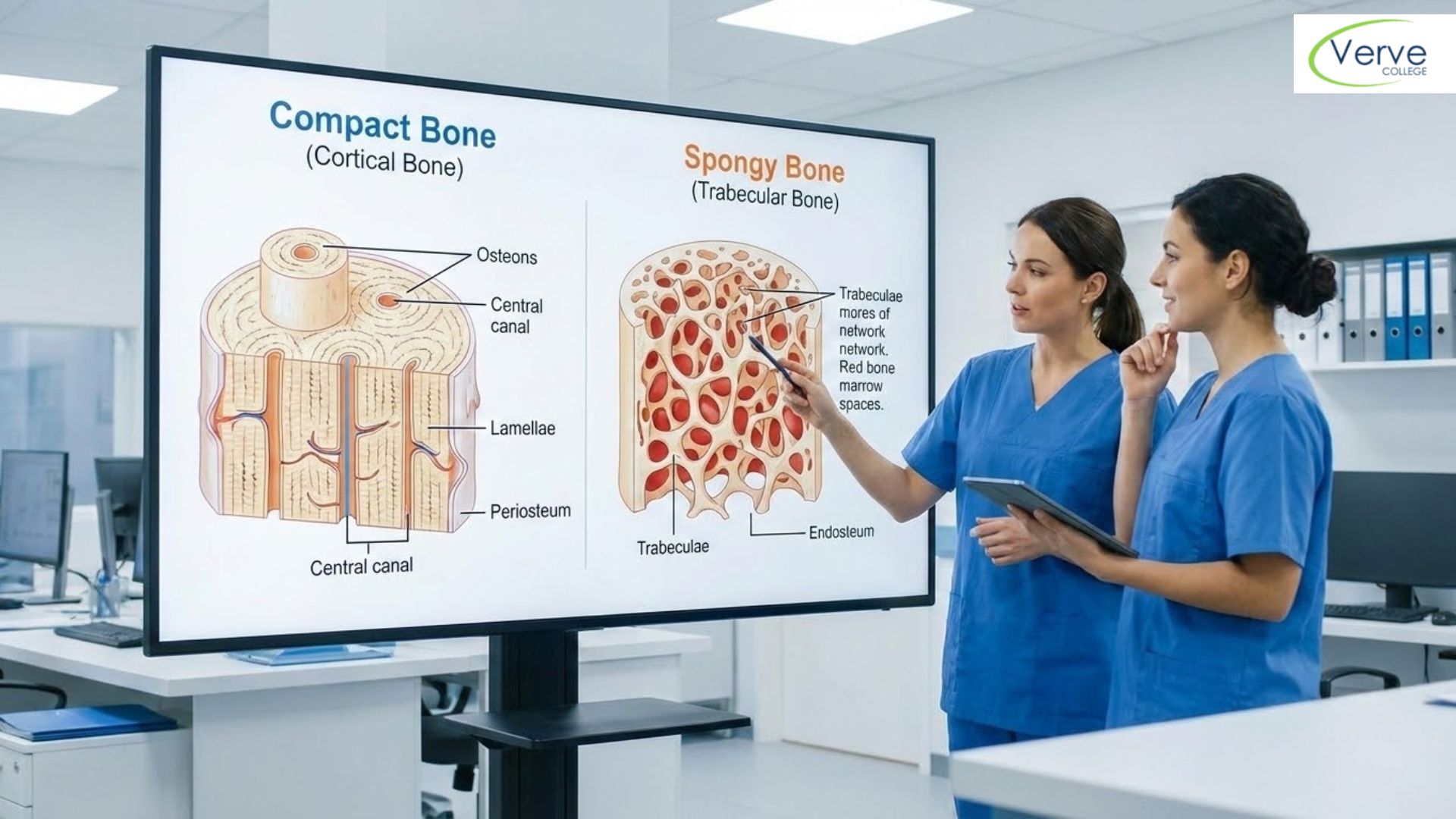
Compact Bone vs Spongy Bone: Key…
March 24, 2026 Read More
Can You Work While Studying LPN?…
March 24, 2026 Read More
Skeletal System: Everything Nursing Students Should…
March 23, 2026 Read More