-
Oak Brook
📍📞 630-705-99992625 Butterfield Rd. Suite 102E
Oak Brook, IL 60523📠 Fax: 630-705-1422✉️ inquiry@vervecollege.edu 🗺️ Open in Google Maps 🍎 Open in Apple Maps🕒Office HoursMon–Fri: 9:30 AM – 6:00 PM
Sat: 8:00 AM – 12:00 PM
Sun: Closed -
Chicago
📍📞 312-920-8822216 W. Jackson Blvd. Suite 900
Chicago, IL 60606📠 Fax: 630-705-1422✉️ inquiry@vervecollege.edu 🗺️ Open in Google Maps 🍎 Open in Apple Maps🕒Office HoursMon–Fri: 9:30 AM – 6:00 PM
Sat: 8:00 AM – 12:00 PM
Sun: Closed - Email:inquiry@vervecollege.edu
- Make a Payment
 Sign up
 Login
Login
- Home
- Programs
- Admission
- Resources
- ATI Entrance Exam Resources
- New E-Digital Library
- Refer a Friend
- School Newsletter
- Events
- Employers
- Job-Network
- Alpha Beta Kappa Candidates
- Verve College Library
- Graduation and Pinning Ceremony Photo Galleries
- Textbook Information
- Career Services
- Tutoring
- School Catalog
- FAQ
- Constitution Day Program
- Alumni
- Verve College Plans
- Financial Aid
- HEERF Reporting
- Satisfactory Academic Progress
- Apply For Financial Aid
- Net Price Calculator
- Return of Title IV Funds (R2T4)
- Financial Aid Office Code of Conduct
- Contact
- FAQs
- Verification Policy
- Vaccination Policy
- Student Right-to-Know Act
- Misrepresentation
- Information Security Program
- Academic Award Year
- Availability of Employee
- Cost of Attendance
- Health & Safety Exemption Requirement
- Students Rights and Responsibilities
- Leave of Absence
- Pell Formula
- Military Students
- Grants/ Scholarship Policy
- Contact Us
- Testimonials
- Blog
Is a Nursing Career Right For You?
Take The Free QuizHow Practical Nursing Students Build Clinical Observation Skills
How Practical Nursing Students Build Clinical Observation Skills
One of the most important skills you will develop as a nursing student is the ability to observe patients carefully and recognize changes in their condition. Clinical observation skills form the foundation of patient assessment, safety, and quality care. Unlike casual observation, clinical observation involves noticing relevant details about a patient’s appearance, behavior, breathing, movement, and responses, then interpreting what those observations mean and communicating concerns appropriately. This guide explains what clinical observation skills are, why they matter, and how you can strengthen them throughout your nursing education.
Key Takeaways
Before diving into details, here are the essential points about clinical observation skills:
Clinical observation skills involve noticing, interpreting, documenting, and reporting relevant information about a patient’s condition. Strong observation skills help nurses recognize changes, identify problems early, communicate concerns effectively, and contribute to patient safety. Clinical observation is different from casual observation; it involves systematic assessment, accurate interpretation, and clear communication. Practical nursing students develop observation skills through foundational learning, supervised practice, instructor feedback, and deliberate reflection. Common mistakes like rushing assessments, overlooking small changes, or making unsupported assumptions weaken observation skills. Improving observation requires consistent practice and commitment to detail even when busy.
What Are Clinical Observation Skills?
Clinical observation skills are the ability to notice, interpret, and report relevant information about a patient’s physical and emotional condition. Observation goes beyond simply seeing something; it involves recognizing what you see, understanding its significance, documenting it accurately, and communicating it appropriately. Strong clinical observation skills allow nurses to detect subtle changes that may indicate improvement or deterioration in a patient’s condition.
Clinical observation includes noticing obvious findings like wounds, skin color changes, or abnormal breathing. It also includes recognizing more subtle changes like a patient becoming withdrawn, moving less freely, or expressing new concerns. Skilled observation requires attention to detail, knowledge of what is normal for each patient, awareness of context, and ability to distinguish between important and trivial findings.
Why Are Observation Skills Important in Practical Nursing?
Clinical observation skills are fundamental to safe, effective nursing care. Early recognition of changes in patient condition allows nurses to intervene quickly, prevent complications, and improve outcomes. Patients depend on nurses to notice when something is wrong, even when they cannot clearly express their concerns. Observation skills directly support patient safety.
Beyond safety, strong observation demonstrates respect and attentiveness to patients. When patients feel observed and cared for, they report better experiences and greater confidence in their care. Observation also provides information that guides nursing interventions. A patient’s appearance, breathing, movement, and behavior tell you about their pain level, anxiety, comfort, and physical condition. This information helps you provide truly individualized care rather than cookie-cutter nursing.
Additionally, observation skills help you communicate effectively with the healthcare team. When you can describe exactly what you observed, the care team can make informed decisions about the patient’s treatment. Vague observations like “the patient doesn’t look good” provide little actionable information. Specific observations like “the patient’s breathing has become rapid and shallow since this morning, and they are using accessory muscles” help the team understand the situation and respond appropriately.
Essential Nursing Observation Skills Students Should Develop
As you progress through your nursing education, focus on developing these key observation skills:
Observing Appearance and Behavior: Notice how the patient looks overall. Are they alert and oriented or drowsy and confused? Do they appear comfortable or in distress? Is their grooming appropriate or neglected? Are they cooperative or withdrawn? Appearance and behavior provide important information about mental status, emotional condition, and overall well-being.
Noticing Breathing Patterns: Observe the rate, depth, and ease of breathing. Is breathing regular or irregular? Rapid or slow? Shallow or deep? Does the patient use accessory muscles (muscles of the neck and shoulders) to breathe, suggesting effort? Abnormal breathing patterns can indicate respiratory problems, pain, anxiety, or other conditions requiring attention.
Recognizing Skin Color and Temperature: Notice the patient’s skin color compared to their baseline and compared to areas of the body. Is skin pale, flushed, cyanotic (bluish), or jaundiced (yellow)? Is skin warm or cold to touch? Discoloration and temperature changes can indicate circulatory problems, fever, or other conditions.
Monitoring Movement and Mobility: Observe how freely the patient moves. Are movements smooth or restricted? Do they move easily or with apparent pain or effort? Can they move all extremities equally? Changes in movement or new limitations can indicate pain, weakness, or neurological changes.
Measuring and Reviewing Vital Signs: Temperature, heart rate, blood pressure, and respiratory rate provide objective data about the patient’s physiological status. Track trends over time rather than focusing on single measurements. Gradual increases or decreases in vital signs often mean more than isolated abnormal readings.
Listening to Patient Concerns: Pay careful attention to what patients say about their condition. Listen not only to what they report but also to how they say it and what nonverbal cues accompany their words. A patient who says they are “fine” while grimacing and moving carefully may be in pain. A patient who reports difficulty sleeping may be anxious.
Identifying Changes From Baseline: The most important observation is change. A pulse of 88 might be normal for one patient but abnormal for another. A patient who is usually alert but becomes drowsy has changed significantly. Always know what is normal for each patient and notice when they deviate from their baseline.
How Practical Nursing Students Build Clinical Observation Skills
Building strong clinical observation skills requires intentional practice and a commitment to improvement. Use these seven strategies to strengthen your observation abilities:
1. Learn the Basics of Patient Assessment
Before you can observe meaningfully, you need foundational knowledge about normal anatomy, physiology, and assessment findings. Understand what normal breathing looks like and sounds like, so you can recognize abnormal patterns. Know what normal skin color and temperature are, so you can notice changes. Take your anatomy and physiology courses seriously; they provide the foundation for meaningful observation. When you understand what you are looking at, you observe more effectively.
2. Practice Using a Systematic Approach
Avoid relying on memory or random observation. Instead, use a systematic assessment approach, such as observing from head to toe or by body systems. A structured approach ensures you do not overlook important findings. Many facilities teach specific assessment sequences, and your instructors will guide you toward the approach used in your setting. Using a system also helps you be consistent, which is important for recognizing changes over time.
3. Distinguish Objective Findings From Subjective Reports
Objective findings are what you directly observe or measure: breathing rate, skin color, temperature, pulse, blood pressure, observable behaviors. Subjective findings are what the patient reports: pain level, nausea, anxiety, comfort. Both types of information matter, but they are recorded and interpreted differently. When documenting, clearly identify what you observed versus what the patient reported. For instance, “Patient reports sharp pain in the lower abdomen” is different from “Abdomen appears distended.” Both observations matter, but they mean different things.
4. Practice in Skills Labs and Simulated Scenarios
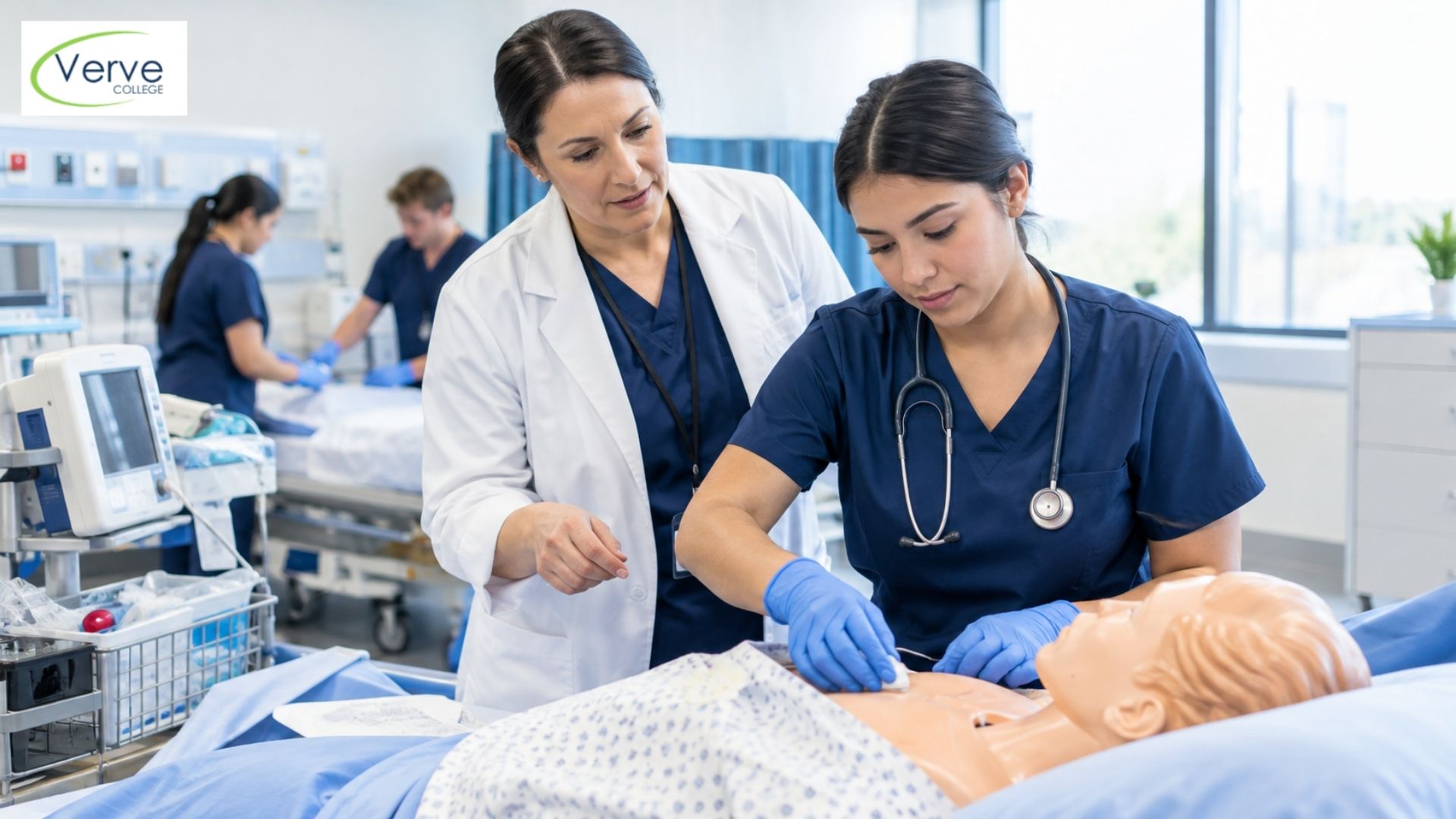
Skills laboratory is where you develop observation abilities in a safe, controlled environment. Practice observing mannequins and classmates during assessment practice. Notice details like skin color, breathing patterns, and physical responses. Ask your instructor for feedback on what you missed or misinterpreted. Simulation scenarios allow you to practice observation while managing the anxiety of not performing perfectly. Use these opportunities fully; they are invaluable for building skill before working with actual patients.
5. Ask for Instructor Feedback
Your clinical instructors and simulation faculty can identify observations you missed and reinforce accurate interpretation. After assessments, ask specifically what you observed accurately and what you might have missed. Ask how your observations compared to the patient’s actual status. This feedback is crucial for improvement. Do not be defensive about feedback; use it to strengthen your skills.
6. Document Findings Clearly and Accurately
How you record observations reflects your observation accuracy. Use objective, factual language. Instead of writing “patient looks terrible,” describe specifically: “patient’s skin is pale and cool to touch; breathing is rapid and shallow at 28 breaths per minute.” Include measurements, time references, and specific descriptions. Avoid vague terms and unsupported conclusions. Reviewing your own documentation helps you recognize when your observations were unclear or incomplete.
7. Communicate Changes Promptly
Observation is only valuable if you communicate concerning findings. When you notice something unusual or a change from baseline, report it to your instructor, the supervising nurse, or the provider according to your facility’s protocol. Do not assume someone else has noticed. Do not minimize changes that concern you. Prompt communication can prevent complications and demonstrate your growing clinical responsibility.
Common Mistakes That Weaken Clinical Observation Skills
Awareness of common pitfalls helps you avoid them:
Rushing Assessments: When you are busy, you may hurry through observations and miss important details. Even when time is limited, take brief moments for careful observation. A focused, intentional observation is better than a rushed, superficial one.
Overlooking Small Changes: New nursing students sometimes focus on obvious abnormalities and miss subtle shifts that can be equally important. A patient’s gradual increase in respiratory rate or slow withdrawal from interaction may be more meaningful than a single dramatic finding.
Making Assumptions: Avoid assuming you know what you will find. Observe with an open mind. A patient who was comfortable yesterday might be uncomfortable today. What you expect to observe is not always what you actually see.
Recording Vague Descriptions: Phrases like “looks okay” or “breathing normal” provide little useful information. Specific descriptions like “skin color appropriate for patient’s baseline, warm and dry; breathing regular at 16 breaths per minute” communicate actual findings.
Failing to Communicate Concerns: Discovering an abnormal finding and not reporting it defeats the purpose of observation. Communicate promptly and clearly to the appropriate person.
Relying Solely on Vital Signs: While vital signs are important, they are only one part of observation. A patient with normal vital signs but unusual behavior needs attention. Observation includes the whole patient, not just numbers.
Confirmation Bias: Once you have formed an impression, you may unconsciously observe only information that confirms that impression. Stay open to information that contradicts your initial assessment.
Practical Exercises to Improve Observation Skills
Strengthen your observation skills through these safe learning activities:
Structured Assessment Practice: Work with classmates or simulation mannequins. Practice head-to-toe assessments while focusing intently on noticing details. Ask yourself questions: What do I see? What does this finding mean? What would be abnormal? Record your findings and compare with others. Discuss what each person observed and why observations might differ.
Review Sample Assessment Notes: Read detailed, well-written assessment documentation and note how specific observations are described. Compare this with vague documentation and discuss the differences. Understanding good documentation helps you improve your own.
Compare Objective and Subjective: Create scenarios where you separate what you observe from what a patient reports. Practice translating vague patient reports into specific observable findings. For instance, if a patient says they feel “awful,” you might observe rapid breathing, grimacing, restlessness, or other specific findings that indicate their condition.
Photograph or Sketch Findings: With permission, photograph or sketch clinical findings you observe. (Always follow HIPAA and facility policies regarding patient images.) Detailed visual records help you remember what you observed and develop your eye for details.
Mentored Observation: During clinical experiences, ask to shadow an experienced nurse and observe their assessment technique. Notice what they observe, how they document, and how they communicate. Learning from experienced nurses accelerates skill development.
Conclusion
Clinical observation skills are foundational to nursing practice and patient safety. By learning systematically, practicing deliberately with feedback, and committing to accuracy and clear communication, you build strong observation abilities that will serve you throughout your career. Invest in practical nursing education in Illinois that prioritizes developing these essential skills. Seek out hands-on nursing skills training opportunities and use them fully. Ask for feedback, reflect on your observations, and continuously work to strengthen your ability to notice, interpret, and report patient information accurately. Strong clinical observation skills demonstrate your commitment to quality care and patient safety. They are among the most valuable competencies you will develop as a practical nurse.
Get Your Nursing Career Training Readiness Score Now!
Frequently Asked Questions
Q: What are clinical observation skills in nursing?
A: Clinical observation skills involve noticing, interpreting, documenting, and reporting relevant information about a patient’s physical and emotional condition. This includes observing appearance, breathing, skin color and temperature, movement, behavior, and vital signs, as well as listening to patient reports and recognizing changes from baseline. Observation is systematic and purposeful, supported by nursing knowledge and attention to detail. Strong observation skills help nurses recognize problems early, communicate effectively with the healthcare team, and contribute to patient safety.
Q: How can nursing students improve their observation skills?
A: Students can improve observation skills through foundational learning in anatomy and physiology, systematic practice using structured assessment approaches, supervised practice in skills labs and clinical settings, careful attention to instructor feedback, accurate documentation of findings, and deliberate reflection on their observations. Ask experienced nurses about what they observe and why. Use simulation scenarios to practice noticing details. Review your documentation to improve clarity and specificity. Seek feedback regularly and stay committed to accuracy and detail.
Q: Why is accurate observation important in patient care?
A: Accurate observation is essential for patient safety because nurses often recognize changes in condition before patients can clearly express concerns. Early recognition allows for timely intervention and can prevent complications. Observation also guides nursing care and helps nurses provide individualized care based on each patient’s actual condition. Additionally, clear, accurate communication of observations helps the healthcare team make informed decisions about patient treatment. Observation demonstrates respect and attentiveness, which improves patient experience and confidence in their care.
Most Popular Blogs Posts

How to Prepare for Nursing School…
October 14, 2026 Read More
How Practical Nursing Students Build Clinical…
October 14, 2026 Read More
What Is Capillary Refill? A Guide…
October 13, 2026 Read More
How to Evaluate an LPN Program’s…
October 13, 2026 Read More