- Oak Brook:(630) 705-9999
- Chicago:(312) 920-8822
- Email:inquiry@vervecollege.edu
- Make a Payment
 Sign up
 Login
Login
- Home
- Programs
- Admission
- Resources
- ATI Entrance Exam Resources
- New E-Digital Library
- Refer a Friend
- School Newsletter
- Events
- Employers
- Job-Network
- Alpha Beta Kappa Candidates
- Verve College Library
- Graduation and Pinning Ceremony Photo Galleries
- Textbook Information
- Career Services
- Tutoring
- School Catalog
- FAQ
- Constitution Day Program
- Alumni
- Verve College Plans
- Financial Aid
- HEERF Reporting
- Satisfactory Academic Progress
- Apply For Financial Aid
- Net Price Calculator
- Return of Title IV Funds (R2T4)
- Financial Aid Office Code of Conduct
- Contact
- FAQs
- Verification Policy
- Vaccination Policy
- Student Right-to-Know Act
- Misrepresentation
- Information Security Program
- Academic Award Year
- Availability of Employee
- Cost of Attendance
- Health & Safety Exemption Requirement
- Students Rights and Responsibilities
- Leave of Absence
- Pell Formula
- Military Students
- Grants/ Scholarship Policy
- Contact Us
- Testimonials
- Blog
Is a Nursing Career Right For You?
Take The Free Quiz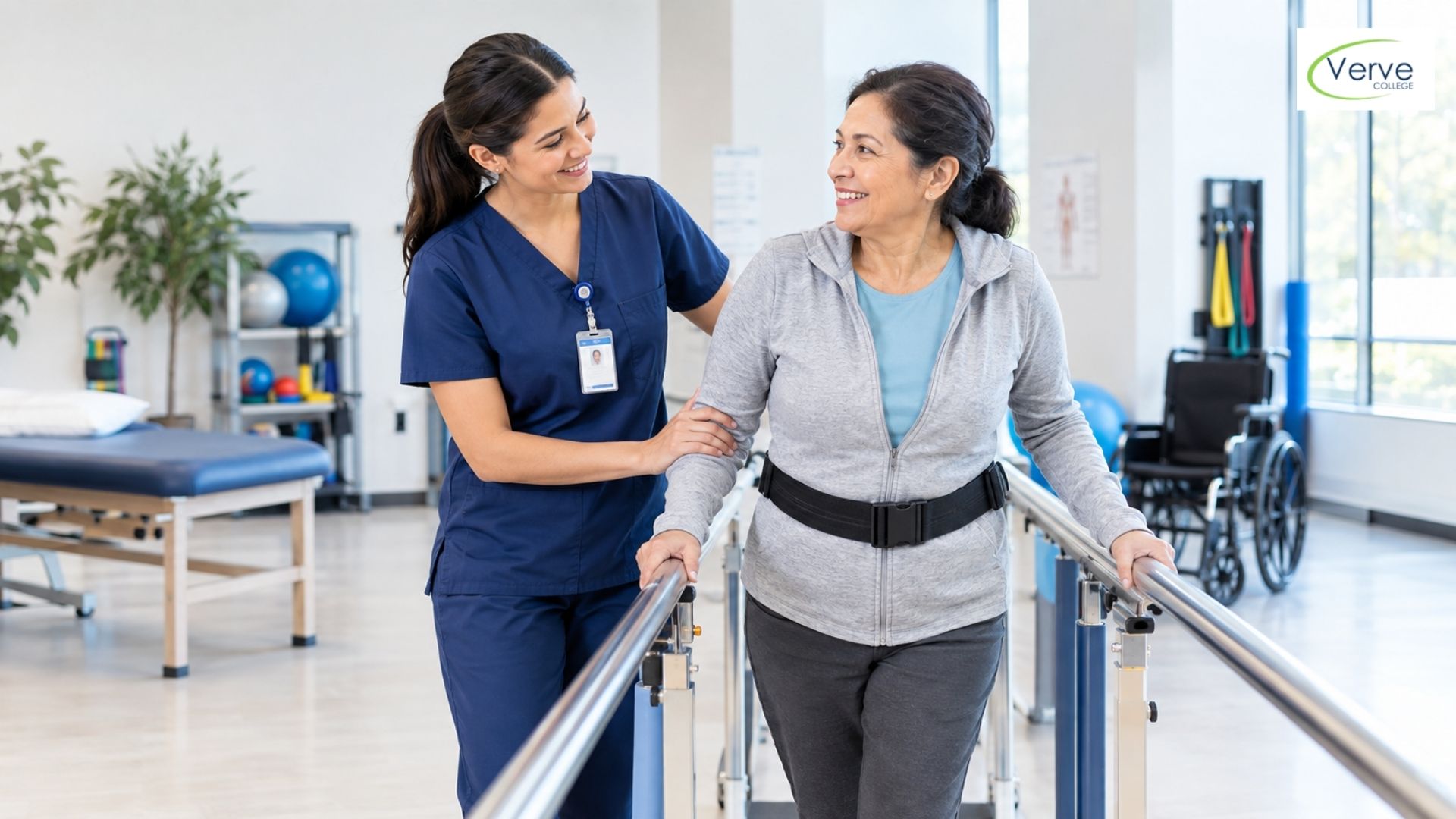
What Is Rehabilitation Nursing? Care, Roles, and Work Settings
What Is Rehabilitation Nursing? Care, Roles, and Work Settings
When patients suffer injuries, strokes, or surgeries, they often need help recovering movement, independence, and quality of life. This is where rehabilitation nursing comes in. Rehabilitation nursing focuses on helping patients regain or maintain physical and cognitive abilities after illness, injury, or surgery. A rehabilitation nurse works with patients at various stages of recovery, from early mobility efforts to complex skill retraining. Rehabilitation nurses support patients in rebuilding independence, managing disabilities, and transitioning back to home and community life. If you’re exploring nursing specialties and wondering what different nursing paths offer, understanding rehabilitation nursing helps you see how nurses can make a lasting impact on patient recovery and long-term well-being.
Key Takeaways
- Rehabilitation nursing focuses on helping patients regain independence, mobility, and quality of life after illness, injury, or surgery.
- Rehabilitation nurses work with diverse patient populations including stroke survivors, spinal cord injury patients, orthopedic patients, and those recovering from major surgeries.
- Rehabilitation nurse responsibilities include mobility assistance, activities of daily living support, patient education, safety monitoring, and emotional support.
- Rehabilitation nurses work in hospitals, rehabilitation centers, skilled nursing facilities, home health, and outpatient settings.
- The rehabilitation team includes physicians, physical therapists, occupational therapists, speech therapists, social workers, and nurses working collaboratively.
- Strong communication, patience, problem-solving skills, and genuine compassion are essential for rehabilitation nurses.
- Becoming a rehabilitation nurse requires nursing licensure, clinical experience, and ongoing specialized knowledge about recovery processes.
What Is Rehabilitation Nursing?
Rehabilitation nursing is a specialized nursing field focused on helping patients recover from illness, injury, or surgery and regain independence. Rehabilitation nurses work with patients at various recovery stages, from immediately after injury or surgery to months or years into recovery.
The core mission of rehabilitation nursing is supporting patients in rebuilding abilities, adapting to disabilities, and achieving the best possible quality of life. This differs from acute care nursing, which focuses on treating acute illness or injury. Rehabilitation nursing focuses on recovery and return to functioning.
A rehabilitation nurse might work with a stroke survivor learning to walk again, a spinal cord injury patient developing new skills using a wheelchair, or someone recovering from major orthopedic surgery regaining movement and strength. The focus is always on maximizing the patient’s independence and helping them achieve their personal recovery goals.
Goals of Rehabilitation Nursing
The primary goal of rehabilitation nursing is supporting patient independence and quality of life. This might mean a patient returns to work, manages daily activities independently, or simply regains the ability to participate in valued activities.
Every patient has different recovery goals. One patient wants to walk without assistive devices. Another wants to return to work in a modified capacity. A third wants to live independently and manage household tasks. Rehabilitation nurses tailor care to support each patient’s specific goals.
Rehabilitation nursing also focuses on preventing complications from immobility, protecting dignity during recovery, managing pain effectively, and supporting emotional adjustment to changed abilities. Recovery isn’t just physical; it’s emotional and psychological too.
Types of Patients in Rehabilitation
Rehabilitation nursing serves diverse patient populations, each with different recovery needs.
Stroke Survivors
Patients recovering from strokes often experience weakness, speech difficulties, cognitive changes, or vision problems. Rehabilitation nurses help them regain mobility, communication, and independence in daily activities.
Spinal Cord Injury Patients
Patients with spinal cord injuries face significant mobility challenges and need to learn entirely new ways of managing daily activities. Rehabilitation nurses support them in developing these new skills and adapting to changed abilities.
Orthopedic Patients
People recovering from joint replacements, fractures, or other bone and joint surgeries need help regaining mobility and strength. Rehabilitation nurses guide them through gradual movement progression.
Traumatic Brain Injury Patients
Patients recovering from head injuries may experience cognitive changes, memory issues, or personality changes alongside physical recovery. Rehabilitation nurses support comprehensive recovery, addressing all these dimensions.
Post-Surgical Patients
After major surgeries (cardiac, abdominal, or other complex procedures), patients need rehabilitation support to regain strength and return to normal functioning.
Amputee Patients
People adjusting to limb loss need specialized support to learn to use prosthetics and develop new movement patterns. Rehabilitation nurses help them adapt to changed physical abilities.
Rehabilitation Nurse Responsibilities
Rehabilitation nursing involves diverse responsibilities focused on supporting recovery and independence.
Mobility and Movement Support
Helping patients progress from bed mobility to walking is a primary responsibility. Rehabilitation nurses assist with transfers, position changes, and movement practice. They recognize that every step toward independence matters, whether that’s turning in bed or walking across a room.
Activities of Daily Living (ADLs) Assistance
Activities of daily living (ADLs) include bathing, dressing, eating, grooming, and toileting. Rehabilitation nurses help patients relearn or adapt these essential skills. They might assist initially but gradually encourage independence as patients improve.
Patient and Family Education
Patients and families need to understand the recovery process, recognize progress, learn adaptive techniques, and understand what to expect long-term. Rehabilitation nurses provide ongoing education supporting informed participation in recovery.
Safety Monitoring and Fall Prevention
Patients at any stage of mobility recovery are at risk for falls. Rehabilitation nurses assess fall risk, implement preventive measures, and ensure safe progression of mobility activities.
Pain Management
Pain can limit movement and motivation. Rehabilitation nurses address pain through positioning, movement techniques, medication, and other evidence-based strategies.
Bowel and Bladder Management
Patients recovering from certain injuries (particularly spinal cord injury or stroke) may need specialized bowel and bladder management. Rehabilitation nurses teach techniques and monitor these important functions.
Emotional Support and Motivation
Recovery can be emotionally challenging. Patients grieving lost abilities need support processing emotions while staying motivated toward goals. Rehabilitation nurses provide emotional support and recognize emotional barriers to progress.
Work Settings for Rehabilitation Nurses
Rehabilitation nurses work in diverse settings supporting patient recovery.
Inpatient Rehabilitation Facilities
Dedicated rehabilitation hospitals or units within general hospitals provide intensive rehabilitation services. Patients stay for days or weeks, receiving comprehensive therapy and nursing care.
Skilled Nursing Facilities
Patients transitioning from hospitals often go to skilled nursing facilities for continued rehabilitation before returning home.
Home Health and Community-Based Settings
Rehabilitation nurses visit patients in their homes, supporting recovery and independence in the patient’s own environment. Home-based rehabilitation often focuses on adapting the home and community for the patient’s needs.
Outpatient Rehabilitation Centers
Patients attending therapy appointments as outpatients receive nursing support managing their recovery while living at home.
Hospital Units
Some general hospitals have specialized rehabilitation units within acute care settings, where rehabilitation nursing is integrated with acute care.
The Rehabilitation Team
Rehabilitation nursing doesn’t happen in isolation. Rehabilitation nurses work as part of interdisciplinary teams including physicians, physical therapists, occupational therapists, speech-language pathologists, social workers, and other specialists.
Physical therapists focus on movement and mobility. Occupational therapists help with activities of daily living and adapting homes. Speech therapists address communication and swallowing. Social workers help with discharge planning and community resources. Each team member brings specialized expertise, and nurses coordinate care across all these services.
Effective team communication ensures all members understand patient goals and progress. Nurses often serve as coordinators between services, recognizing how physical therapy progress affects mobility nursing, or how speech therapy impacts feeding and swallowing care.
Important Skills for Rehabilitation Nurses
Successful rehabilitation nurses develop specific competencies beyond basic nursing skills.
Patience and Long-Term Perspective
Recovery takes time. Patients progress gradually, with setbacks alongside progress. Rehabilitation nurses understand that small improvements represent significant achievement.
Problem-Solving and Creativity
Every patient’s situation is unique. Rehabilitation nurses adapt standard approaches to individual patient needs, finding creative solutions when standard methods don’t work.
Communication and Teaching
Helping patients understand their recovery, learn new skills, and stay motivated requires excellent communication and teaching abilities.
Genuine Compassion
Patients adjusting to changed abilities need authentic compassion and encouragement. Rehabilitation nurses genuinely care about their patients’ well-being and recovery.
Assessment and Observation
Recognizing subtle changes in patient condition, progress, or emotional status helps rehabilitation nurses adjust care appropriately.
Education and Licensure Pathway
Becoming a rehabilitation nurse requires foundational nursing education and licensure.
Most rehabilitation nurses begin with either an LPN (Licensed Practical Nurse) or RN (Registered Nurse) credential. After initial licensure and gaining clinical experience in various settings, nurses can specialize in rehabilitation. Some of the best nursing schools in Illinois offer strong clinical foundations supporting eventual specialization.
The certified rehabilitation registered nurse (CRRN) credential validates specialized knowledge in rehabilitation nursing. While not required, this certification demonstrates expertise and commitment to the field. Certification typically requires clinical experience in rehabilitation and passing a comprehensive examination.
Some nurses transition to rehabilitation nursing after working in other specialties. Others pursue rehabilitation nursing early in their careers. There’s no single pathway, though experience in acute care or other settings often precedes rehabilitation specialization.
Career Development in Rehabilitation Nursing
Rehabilitation nursing offers diverse career paths beyond direct patient care. Experienced rehabilitation nurses transition into leadership, education, program development, or consulting roles.
Some rehabilitation nurses specialize further in specific populations (spinal cord injury, stroke, amputee care) or settings. Others develop expertise in particular rehabilitation approaches or technologies. Hybrid practical nursing programs allow working professionals to pursue advanced education while continuing to develop expertise.
Career growth in rehabilitation nursing depends on individual interests, education pursued, and opportunities in your geographic area. As you develop nursing expertise generally, nursing career growth paths become clearer based on your interests and strengths.
Rehabilitation Nursing vs Acute Care Nursing
While rehabilitation nursing and acute care nursing serve different purposes, they’re complementary.
Acute care nursing focuses on treating acute illness or injury, stabilizing patients, and initiating recovery. A stroke patient in the acute hospital phase receives acute care nursing focused on managing immediate complications and stabilizing neurological status.
Rehabilitation nursing begins after acute needs are addressed and focuses on recovery progression. The same stroke patient transitioning to rehabilitation receives rehabilitation nursing focused on regaining movement and independence.
Many nurses work in both settings. A nurse might provide acute care immediately after stroke, then transfer to rehabilitation units as the patient progresses. Understanding both perspectives makes nurses more effective across settings.
Is Rehabilitation Nursing Right for You?
Consider whether rehabilitation nursing aligns with your values and strengths.
Rehabilitation nursing appeals to nurses who find meaning in long-term patient relationships, celebrate little progress, and take satisfaction in supporting patients toward independence. If you’re motivated by seeing patients recover and return to meaningful lives, rehabilitation nursing offers deep satisfaction.
It’s less suitable for nurses preferring fast-paced environments with acute changes, quick patient transitions, or immediate dramatic improvements. Rehabilitation requires patience with gradual progress.
If you’re exploring practical nursing programs in Illinois, consider whether clinical rotations or electives in rehabilitation settings appeal to you. Experiencing rehabilitation environments helps determine if this specialty matches your interests.
Conclusion
Rehabilitation nursing focuses on helping patients regain independence and quality of life after illness, injury, or surgery. Rehabilitation nurses work with diverse patient populations, support recovery through mobility assistance and skills retraining, and coordinate care across interdisciplinary teams.
If you find meaning in supporting long-term patient recovery, enjoy problem-solving and adaptation, and have genuine compassion for patients facing significant challenges, rehabilitation nursing might be your calling. The field offers the unique satisfaction of witnessing patient progress from dependence toward independence and watching patients return to valued activities and roles.
Becoming a rehabilitation nurse requires nursing licensure, clinical experience, and developing specialized knowledge about recovery. Whether you pursue this specialty early in your career or after working in other nursing areas, rehabilitation nursing offers opportunities to make meaningful differences in patients’ long-term well-being and life satisfaction.
Get Your Nursing Career Training Readiness Score Now!
Frequently Asked Questions (FAQs)
What exactly does a rehabilitation nurse do?
A rehabilitation nurse helps patients recover independence after illness, injury, or surgery. Daily responsibilities include assisting with mobility and movement, helping patients relearn activities of daily living (like bathing and dressing), educating patients and families about recovery, monitoring safety, managing pain, and providing emotional support. The focus is always on maximizing patient independence and helping them achieve personal recovery goals.
How is rehabilitation nursing different from acute care nursing?
Acute care nursing focuses on treating acute illness or injury, stabilizing patients, and managing immediate medical crises. Rehabilitation nursing begins after acute needs are addressed and focuses on long-term recovery, regaining independence, and adapting to changed abilities. Acute care emphasizes rapid intervention and change. Rehabilitation emphasizes gradual progress toward independence over weeks or months.
What education do I need to become a rehabilitation nurse?
You need nursing licensure first, either as an LPN or RN. After licensure and gaining clinical nursing experience, you can transition to rehabilitation nursing. While not required, the Certified Rehabilitation Registered Nurse (CRRN) credential demonstrates specialized expertise. Some nurses pursue rehabilitation nursing early in their careers; others specialize after working in other settings. Educational requirements vary by employer and specific position.
Most Popular Blogs Posts
Oncology Nursing: What Nurses Do in…
September 15, 2026 Read MoreWhat Is Rehabilitation Nursing? Care, Roles,…
September 15, 2026 Read More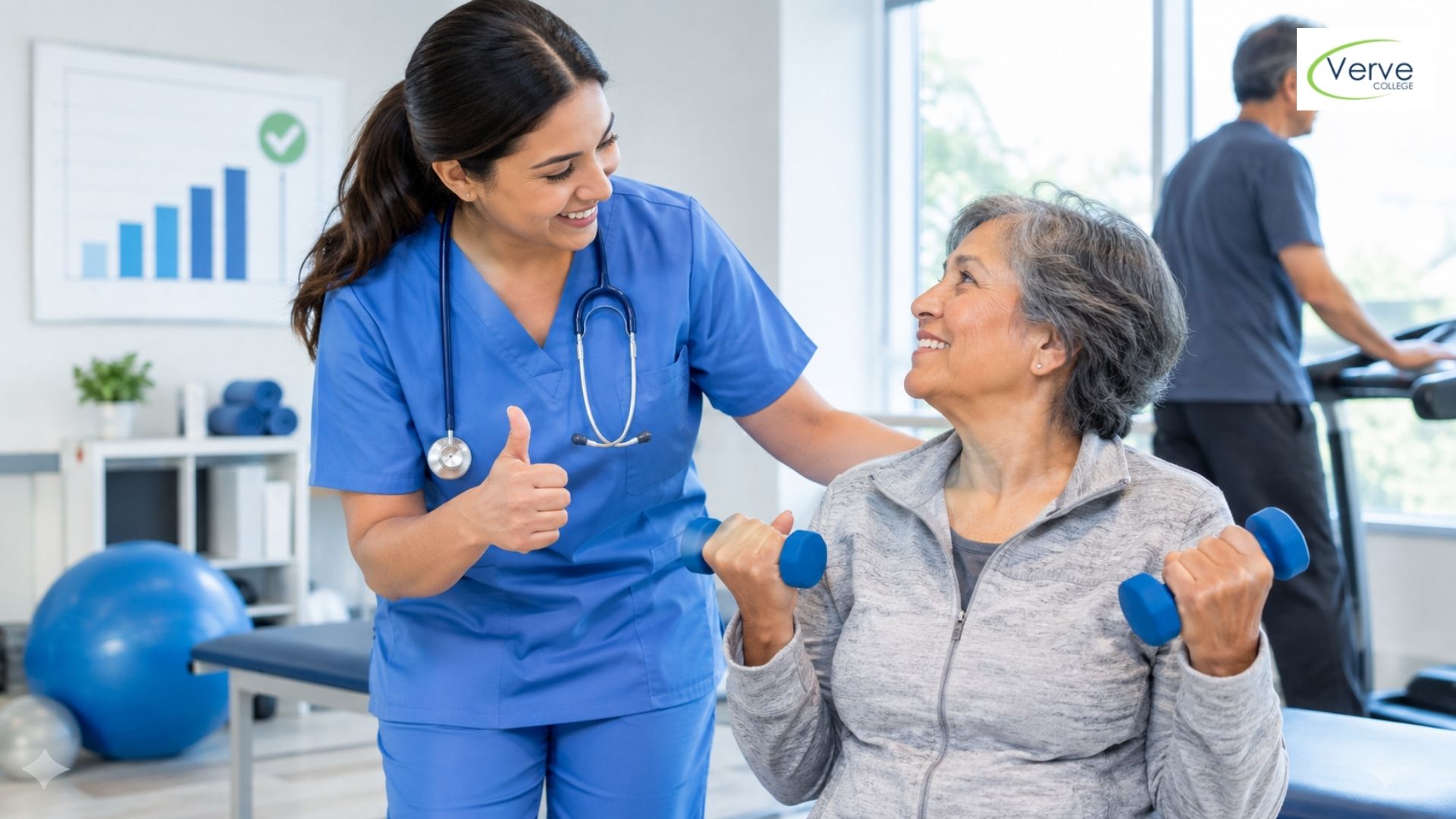
What Is Operant Conditioning? Behavior and…
September 14, 2026 Read More
What Is Classical Conditioning? Guide for…
September 14, 2026 Read More