-
Oak Brook
📍📞 630-705-99992625 Butterfield Rd. Suite 102E
Oak Brook, IL 60523📠 Fax: 630-705-1422✉️ inquiry@vervecollege.edu 🗺️ Open in Google Maps 🍎 Open in Apple Maps🕒Office HoursMon–Fri: 9:30 AM – 6:00 PM
Sat: 8:00 AM – 12:00 PM
Sun: Closed -
Chicago
📍📞 312-920-8822216 W. Jackson Blvd. Suite 900
Chicago, IL 60606📠 Fax: 630-705-1422✉️ inquiry@vervecollege.edu 🗺️ Open in Google Maps 🍎 Open in Apple Maps🕒Office HoursMon–Fri: 9:30 AM – 6:00 PM
Sat: 8:00 AM – 12:00 PM
Sun: Closed - Email:inquiry@vervecollege.edu
- Make a Payment
 Sign up
 Login
Login
- Home
- Programs
- Admission
- Resources
- ATI Entrance Exam Resources
- New E-Digital Library
- Refer a Friend
- School Newsletter
- Events
- Employers
- Job-Network
- Alpha Beta Kappa Candidates
- Verve College Library
- Graduation and Pinning Ceremony Photo Galleries
- Textbook Information
- Career Services
- Tutoring
- School Catalog
- FAQ
- Constitution Day Program
- Alumni
- Verve College Plans
- Financial Aid
- HEERF Reporting
- Satisfactory Academic Progress
- Apply For Financial Aid
- Net Price Calculator
- Return of Title IV Funds (R2T4)
- Financial Aid Office Code of Conduct
- Contact
- FAQs
- Verification Policy
- Vaccination Policy
- Student Right-to-Know Act
- Misrepresentation
- Information Security Program
- Academic Award Year
- Availability of Employee
- Cost of Attendance
- Health & Safety Exemption Requirement
- Students Rights and Responsibilities
- Leave of Absence
- Pell Formula
- Military Students
- Grants/ Scholarship Policy
- Contact Us
- Testimonials
- Blog
Is a Nursing Career Right For You?
Take The Free QuizWhat Is Forensic Nursing? Roles, Training, and Career Opportunities
What Is Forensic Nursing? Roles, Training, and Career Opportunities
You’ve probably seen forensic nurses on television crime dramas. They collect evidence from crime victims, document injuries, and work with law enforcement. But forensic nursing is much more than what TV shows portray. Forensic nursing is a specialized nursing field that combines clinical patient care with investigative responsibilities, legal documentation, and collaboration with law enforcement and legal professionals. A forensic nurse might care for sexual assault survivors, document evidence of child abuse, work with domestic violence victims, or assist in criminal investigations. This specialized field offers nurses opportunities to make a unique impact on patients and the justice system. If you’re interested in forensic nursing and wondering what the field entails, how to prepare for it, and what career opportunities exist, this article explains what forensic nursing is, what forensic nurses do, how to pursue this career, and whether becoming a forensic nurse aligns with your professional goals.
Key Takeaways
- Forensic nursing is a specialized nursing field combining patient care with evidence collection, legal documentation, and collaboration with law enforcement and investigative professionals.
- A forensic nurse cares for crime victims while simultaneously serving as a bridge between healthcare and the justice system, collecting evidence and documenting findings for legal proceedings.
- Common forensic nursing roles include sexual assault nurse examiner (SANE), sexual abuse nurse examiner (SANE), domestic violence nurse, child abuse nurse, and forensic clinical nurse specialist.
- Becoming a forensic nurse typically requires foundational nursing education (RN or LPN), clinical nursing experience, and specialized forensic nursing training or certification.
- When exploring licensed practical nurse programs, understand that an LPN can be an excellent starting point for a nursing career pathway that may eventually lead to forensic nursing or other specialized fields.
- Forensic nursing careers offer opportunities to work in hospitals, clinics, law enforcement agencies, victim advocacy organizations, and other settings serving crime victims and supporting the justice system.
What Is Forensic Nursing?
Forensic nursing is the intersection of nursing and the criminal justice system. Forensic nurses provide comprehensive care to crime victims while simultaneously serving as healthcare providers and evidence collectors for legal investigations. The term “forensic” refers to the connection to the justice system and legal proceedings.
A forensic nurse’s primary responsibility is patient care. Crime victims need medical attention, trauma support, and compassionate care. Forensic nurses provide this care first. However, forensic nurses also recognize that the evidence and documentation they gather serve legal purposes. Every wound documented, every sample collected, every statement recorded becomes part of the legal record that may eventually be presented in court.
This dual role makes forensic nursing unique. Most nurses care for patients with their own needs as the priority. Forensic nurses care for patients while simultaneously understanding their findings will support legal investigations and potentially criminal prosecutions. This requires balancing patient advocacy with evidence integrity and meticulous documentation.
Forensic nursing differs from other specialties because it involves collaboration with systems outside healthcare. Forensic nurses work with law enforcement, prosecutors, defense attorneys, victim advocates, social services, and court systems. Understanding these different systems and communicating effectively across them is part of the job.
Common Forensic Nursing Roles
Forensic nurses work in several specialized roles, each focusing on different types of victims and crimes.
Sexual Assault Nurse Examiner (SANE) or Sexual Abuse Nurse Examiner (SANE)
The most visible forensic nursing role is the sexual assault nurse examiner or sexual abuse nurse examiner (both abbreviated SANE). SANE nurses provide comprehensive care to victims of sexual assault or sexual abuse, typically children and adolescents.
A SANE’s responsibilities include:
- Providing compassionate, trauma-informed care to victims immediately after assault.
- Conducting comprehensive medical assessment and treatment of injuries.
- Collecting evidence using established protocols, ensuring chain of custody and admissibility in legal proceedings.
- Conducting forensic examinations including wound documentation, photography (with consent), sample collection, and detailed written documentation.
- Providing education about sexual assault, explaining procedures, and answering questions.
- Connecting victims with counseling, victim advocacy, and support services.
- Providing testimony in legal proceedings about findings and evidence collection procedures.
SANE nurses work primarily in hospital emergency departments but may also work in specialized sexual assault response centers, rape crisis centers, or community clinics. They typically work with victims within 72 hours of assault when evidence is most recoverable.
The role is emotionally demanding. SANE nurses regularly encounter traumatized victims and work with graphic evidence of violence. However, many SANE nurses find the role deeply meaningful because they provide crucial care when victims need it most and gather evidence supporting justice.
Domestic Violence Nurse
Domestic violence nurses provide care to victims of intimate partner violence. Their role includes:
- Assessing injuries from domestic violence and providing medical care.
- Documenting abuse patterns and injuries using standardized assessment tools and photography (with consent).
- Identifying safety concerns and safety planning with victims.
- Connecting victims with domestic violence resources and shelters.
- Providing education about abuse patterns and healthy relationships.
- Documenting findings in medical records in ways that support legal protective orders or criminal cases if the victim chooses to prosecute.
Domestic violence nurses work in emergency departments, primary care clinics, obstetric settings (pregnant women experience higher rates of intimate partner violence), and specialized domestic violence clinics.
Child Abuse Nurse
Child abuse nurses assess children suspected of experiencing abuse, provide medical and psychological care, and document findings. Their responsibilities include:
- Medical assessment and treatment of abuse injuries.
- Conducting interviews with children about abuse (age-appropriately and without suggesting answers).
- Collaborating with child protective services, law enforcement, and legal professionals.
- Documenting physical and behavioral findings in ways that support legal investigations and protection of children.
- Providing supportive care and connecting families with services.
Child abuse nurses work in hospital pediatric units, emergency departments, specialized child advocacy centers, and through child protective services agencies.
Forensic Clinical Nurse Specialist
Some forensic nurses work as forensic clinical nurse specialists with broader roles. These nurses might:
- Provide forensic nursing consultation for complex cases.
- Train and supervise other forensic nurses.
- Develop forensic nursing programs or protocols.
- Work with law enforcement on criminal investigations.
- Provide expert testimony in court cases.
- Teach forensic nursing to other healthcare professionals.
Forensic clinical nurse specialists typically hold master’s degrees and have extensive experience in forensic nursing.
Other Forensic Nursing Roles
Forensic nurses also work in other specialized areas including elder abuse assessment, human trafficking victim care, and mass disaster response. Each role applies forensic nursing principles to specific populations or situations.
What Forensic Nurses Actually Do
A typical shift for a forensic nurse varies greatly depending on the setting and role, but here’s an example of what a SANE might experience:
A sexual assault survivor arrives in the emergency department. The SANE nurse greets the patient, explains her role, and learns about the assault in a private, comfortable setting. She explains procedures before proceeding, ensuring the patient understands and consents to the forensic examination.
The SANE conducts a thorough medical assessment, treating injuries with compassion and clinical skill. She carefully documents injuries with written descriptions and (with consent) photographs that will later be reviewed by law enforcement and potentially prosecutors.
The SANE collects evidence samples following specific protocols: DNA samples, fibers, toxicology samples if indicated. She maintains meticulous documentation of the chain of custody, who collected what, when, and where samples are stored, ensuring evidence admissibility in court.
Throughout the process, the SANE provides trauma-informed care. She recognizes that survivors often feel shame, self-blame, or fear. The SANE validates the survivor’s experience, emphasizes that assault is not the survivor’s fault, and provides information about support services.
The SANE connects the survivor with victim advocacy services, counseling, and follow-up care. She provides written information about reporting options, legal procedures, and healing resources.
Later, the SANE documents findings in the medical record and in a separate forensic report that will be shared with law enforcement. Her documentation must be objective, detailed, and written in ways that a non-medical person (judge, jury) can understand.
Months or years later, the SANE might be called to testify in court about her findings, the examination process, evidence collection, and what physical findings indicate about the assault.
This represents just one SANE case. A typical shift might involve multiple victims with varying needs, injuries, and circumstances.
Skills Required for Forensic Nursing
Successful forensic nurses develop multiple skill sets beyond basic nursing.
Clinical Nursing Skills
Forensic nurses must be competent nurses first. Strong assessment skills, clinical judgment, and patient care abilities are foundational. Many forensic nurses begin their careers in emergency nursing, which prepares them for the fast-paced, high-acuity nature of forensic work.
Evidence Collection and Documentation
Forensic nurses must understand evidence collection protocols, chain of custody procedures, and legal requirements for evidence admissibility. This involves meticulous attention to detail and understanding legal standards.
Interview and Communication Skills
Forensic nurses frequently interview crime victims about traumatic events. This requires sensitive communication, active listening, the ability to remain neutral and non-judgmental, and skill in asking clarifying questions without suggesting answers or retraumatizing the victim.
Trauma-Informed Care
Victims of crime experience trauma. Forensic nurses must understand trauma responses and provide care in ways that reduce secondary trauma and promote healing.
Legal Knowledge
Forensic nurses need a basic understanding of legal systems, evidence requirements, court procedures, and how healthcare documentation supports legal cases.
Emotional Resilience
Forensic nurses regularly encounter abuse, violence, and human suffering. Emotional resilience, healthy coping mechanisms, and access to support help nurses sustain this work long-term.
Cultural Competence
Crime victims come from diverse backgrounds. Forensic nurses must provide culturally sensitive care that respects diverse values, beliefs, and experiences.
Education and Training for Forensic Nursing
There is no single pathway to forensic nursing, but most routes include foundational nursing education plus specialized training.
Nursing Credentials
Most forensic nursing roles require either:
RN (Registered Nurse) credential, which typically requires a 4-year Bachelor of Science in Nursing (BSN) or an Associate Degree in Nursing (ADN) plus passing the NCLEX-RN.
LPN (Licensed Practical Nurse) credential, which requires practical nursing education (typically 12 to 18 months) plus passing the NCLEX-PN.
Some forensic nursing roles, particularly sexual assault nurse examiner (SANE) positions, increasingly prefer or require an RN credential, though some programs accept LPNs with significant experience. Other roles, particularly in smaller communities, may hire LPNs who complete additional forensic training.
Clinical Experience
Most forensic nursing positions require prior clinical experience, typically in high-acuity settings like emergency departments, intensive care units, or acute care units. This experience develops strong assessment and clinical skills needed for forensic work.
Common prerequisite experience includes:
- Emergency department nursing (1 to 3 years)
- Critical care nursing
- Hospital-based nursing roles
- Trauma center experience
This clinical foundation prepares nurses for the complexity and acuity of forensic cases.
Specialized Forensic Nursing Training
Forensic nursing-specific training comes through:
SANE/SANE-A Certification Programs: Organizations like the International Association of Forensic Nurses (IAFN) and various university and hospital programs offer Sexual Assault Nurse Examiner (SANE) and Sexual Abuse Nurse Examiner (SANE-A) training programs. These programs typically involve 40 to 80+ hours of didactic training plus supervised clinical experience. Training covers anatomy, evidence collection, trauma responses, legal procedures, interview techniques, and documentation.
Forensic Nursing Certificates or Diplomas: Various institutions offer formal forensic nursing training programs ranging from certificate programs to graduate-level education.
Graduate Degrees: Some nurses pursue master’s degrees in forensic nursing or forensic nursing science, often combining forensic nursing with law enforcement, victim advocacy, or investigative interests.
Professional Conferences and Workshops: The International Association of Forensic Nurses (IAFN) and other professional organizations offer ongoing continuing education in forensic nursing.
Becoming a Strong LPN Candidate for Advanced Nursing Roles
While many forensic positions require RN credentials, understanding that a strong LPN candidate can position yourself for future advancement is important. Completing quality practical nursing programs that provide robust clinical training and develop strong assessment and critical thinking skills creates a foundation for future education and specialization.
An LPN with excellent clinical performance, continued learning, and specialized training can transition to forensic nursing or other specialized roles. Many nurses begin as LPNs, gain clinical experience, then pursue RN education and specialized certifications. This pathway is absolutely viable and common in nursing.
Where Forensic Nurses Work
Forensic nurses work in diverse settings:
Hospitals and Emergency Departments
Many SANE nurses and forensic nurses work in hospital emergency departments, providing initial care and evidence collection for acute cases.
Specialized Clinics and Sexual Assault Response Centers
Many communities have specialized centers providing comprehensive forensic nursing care, victim advocacy, and support services in one location.
Law Enforcement Agencies
Some forensic nurses work directly with law enforcement agencies, providing forensic nursing expertise for investigations.
Medical Examiner or Coroner’s Offices
Forensic nurses sometimes work with medical examiners or coroner’s offices, assisting with death investigations and forensic evidence collection.
Victim Advocacy Organizations
Rape crisis centers, domestic violence organizations, and other victim advocacy groups employ forensic nurses.
Courts and Legal Systems
Some forensic nurses work within court systems, providing expert consultation or testimony.
Child Protective Services
Child abuse nurses work with child protective services agencies investigating suspected child abuse.
Correctional Facilities
Some forensic nurses work in jails or prisons, providing care for incarcerated individuals, some of whom may have forensic nursing needs.
Private Practice or Consulting
Some forensic nurse specialists work as independent consultants providing expert analysis and testimony for legal cases.
The Forensic Nursing Career Pathway
If you’re interested in forensic nursing, here’s a typical career progression:
Step 1: Complete Nursing Education
Pursue RN or LPN education through an accredited program. Quality programs with strong clinical components prepare you for the next steps. Some aspiring forensic nurses begin as LPNs, gain clinical experience, then pursue RN education.
Step 2: Gain Clinical Experience
Work in acute care settings, particularly emergency medicine or trauma centers. This develops strong assessment and clinical skills essential for forensic work. Most forensic positions require 1 to 3 years of clinical experience.
Step 3: Pursue Specialized Training
Once you have foundational nursing credentials and clinical experience, pursue forensic nursing training. This might be a SANE certification program, formal forensic nursing certificate, or graduate education in forensic nursing.
Step 4: Seek Forensic Nursing Position
With nursing credentials, clinical experience, and forensic training, pursue employment as a forensic nurse in your chosen area (sexual assault, domestic violence, child abuse, etc.).
Step 5: Advance Your Career
Many forensic nurses pursue advanced education, leadership roles, or broader forensic nursing involvement (teaching, consulting, program development, law enforcement collaboration).
Forensic Nursing Career Opportunities and Job Market
Forensic nursing is a growing specialty. Increased awareness of sexual assault, child abuse, and domestic violence has expanded demand for trained forensic nurses.
Job Availability
Positions exist in most metropolitan areas and many smaller communities. Rural areas may have fewer positions, though traveling SANE programs in some states bring forensic nursing services to rural hospitals.
Healthcare settings increasingly recognize the need for trained forensic nurses. Hospitals are developing sexual assault response teams that include SANE nurses. Victim advocacy organizations seek forensic nursing expertise.
Salary and Compensation
Forensic nursing salaries vary by:
Location (urban areas and states with higher costs of living typically offer higher salaries); employer (hospitals, law enforcement, nonprofit organizations offer different compensation); credentials (RN vs LPN, specialized certifications); experience level
SANE nurses and forensic nurses working in hospitals typically earn salaries comparable to emergency department nurses or specialized clinical nurse roles, ranging from approximately $45,000 to $70,000+ annually depending on location and experience.
Forensic nurses in law enforcement or forensic clinical specialist roles may earn higher salaries.
Growth Trajectory
As awareness of trauma, sexual assault, and abuse increases, demand for forensic nursing expertise grows. Opportunities for specialization, leadership, program development, and consulting exist.
Many forensic nurses expand into law enforcement training, university teaching, program development, or expert witness work, creating diverse career possibilities.
Why Choose Forensic Nursing?
Nurses choose forensic nursing for various reasons:
Making a Difference in Justice
Forensic nurses directly support the justice system. The evidence they collect and documentation they create support investigations and prosecutions that hold offenders accountable and protect potential future victims.
Advocating for Vulnerable Populations
Crime victims are vulnerable. Forensic nurses advocate for victims, provide compassionate care, and connect them with support.
Combining Clinical Care with Investigation
Forensic nursing uniquely combines nursing care with investigative and legal work. If you’re drawn to both patient care and problem-solving related to crime, forensic nursing offers this combination.
Specialized, Meaningful Work
Forensic nursing is specialized. The work is meaningful and often feels uniquely important.
Growing Field with Opportunities
Forensic nursing is relatively newer and growing. This creates opportunities for innovation, leadership, and expansion of the field.
Challenges in Forensic Nursing
Forensic nursing also presents challenges worth considering:
Emotional Demands
Regularly encountering abuse, violence, and traumatized victims is emotionally demanding. Compassion fatigue, vicarious trauma, and burnout can occur.
Exposure to Graphic Evidence
Forensic nurses see injuries resulting from violence, sexual assault, and abuse. This exposure can be psychologically challenging.
Legal Complexity
Working within legal systems and understanding legal requirements adds complexity to nursing care.
Scheduling
Some forensic nursing positions require on-call availability, evening or weekend shifts, or unpredictable schedules based on case volume.
Emotional Labor
Maintaining professionalism while providing compassionate care in emotionally charged situations requires significant emotional labor.
Limited Availability
Not all communities have established forensic nursing programs. If you’re in a small area, forensic nursing opportunities may be limited or require travel.
Specialized Education Requirements
Accessing quality forensic nursing training requires seeking out programs and may involve travel or cost.
Nurses considering forensic nursing should honestly assess whether they can manage these challenges with appropriate support and self-care.
Is Forensic Nursing Right for You?
Consider whether forensic nursing aligns with your values and strengths. Forensic nursing might fit you if you:
- Have strong clinical nursing skills and emergency assessment abilities.
- Feel drawn to advocacy for vulnerable populations.
- Can manage emotional responses to trauma and violence without becoming overwhelmed.
- Enjoy problem-solving and attention to detail.
- Can maintain professionalism in emotionally charged situations.
- Understand the legal system and work collaboratively with law enforcement and legal professionals.
- Are willing to pursue specialized training and continue learning.
- Forensic nursing might not fit you if you:
- Become overwhelmed by exposure to trauma and suffering.
- Prefer less emotional intensity in your work.
- Want clear, predictable work schedules without on-call responsibilities.
- Are uncomfortable working within legal systems or with law enforcement.
- Prefer not to provide expert testimony or be involved in legal proceedings.
Getting Started in Forensic Nursing
If forensic nursing interests you, here’s how to start:
Research the Field
Read about forensic nursing. Follow organizations like the International Association of Forensic Nurses (IAFN). Learn what the work actually entails beyond TV portrayals.
Pursue Quality Nursing Education
Enroll in quality nursing programs (RN or LPN) with strong clinical components. Develop excellent clinical assessment and patient care skills.
Seek Clinical Experience
After licensure, work in emergency medicine, trauma centers, or other high-acuity settings. Develop strong clinical foundations and emergency response skills.
Explore Specialized Training
As you gain experience, explore forensic nursing training programs in your region. Attend forensic nursing conferences or workshops.
Connect with Forensic Nurses
Talk with practicing forensic nurses. Learn about their experiences, career pathways, and how they entered the field.
Consider Your Pathway
Decide whether RN or LPN is your starting point. Both are viable; RN credentials open more forensic nursing doors, but LPNs with excellent clinical performance and specialized training find opportunities as well.
Apply for Positions
Once trained, apply for forensic nursing positions. Your clinical experience and forensic training position you for these roles.
Conclusion
Forensic nursing is a specialized field combining patient care with evidence collection, legal documentation, and collaboration with the justice system. Forensic nurses care for crime victims while simultaneously serving victims’ needs for justice and healing. The work is emotionally demanding but deeply meaningful for nurses drawn to advocacy, problem-solving, and supporting vulnerable populations.
Becoming a forensic nurse requires foundational nursing credentials (RN or LPN), clinical experience, and specialized forensic nursing training. The pathway isn’t always linear, and different routes exist depending on your starting point and goals.
If forensic nursing interests you, begin with quality nursing education. Pursue programs emphasizing clinical skills and critical thinking. Gain clinical experience in high-acuity settings. Then pursue specialized forensic nursing training as you advance your career.
Forensic nursing represents one of many specialized nursing fields available to nurses willing to develop expertise and pursue advanced opportunities. Whether you become a forensic nurse or pursue other specializations, quality foundational nursing education and clinical experience create opportunities for specialized work that aligns with your values and interests.
Get Your Nursing Career Training Readiness Score Now!
Frequently Asked Questions (FAQs)
Do I need an RN to become a forensic nurse, or can LPNs work in forensic nursing?
Both RNs and LPNs can work in forensic nursing, though requirements vary by role and employer. Sexual assault nurse examiner (SANE) positions increasingly prefer RN credentials, but some programs accept LPNs with strong experience. Domestic violence nursing, child abuse nursing, and other forensic roles may have less stringent credential requirements. If forensic nursing interests you but you’re pursuing LPN education first, understand that your pathway might involve eventually pursuing RN education to maximize forensic nursing opportunities. However, LPNs with excellent clinical performance and specialized training can work in some forensic nursing roles.
How long does it take to become a forensic nurse?
Timeline varies, but typically: 2 to 4 years for nursing education (RN or LPN), 1 to 3 years of clinical experience, and 40 to 80+ hours for specialized SANE training. The total timeline is often 4 to 8 years from starting nursing education to working as a trained forensic nurse. Some nurses accelerate this pathway; others take longer.
What if I’m not interested in sexual assault cases specifically?
Forensic nursing includes multiple specialties beyond sexual assault. Domestic violence nursing, child abuse nursing, elder abuse assessment, human trafficking victim care, and other areas apply forensic nursing principles to different situations. You can specialize in the area matching your interests.
Do forensic nurses work with law enforcement?
Yes, many forensic nurses collaborate closely with law enforcement. Some work directly for law enforcement agencies. Understanding law enforcement systems and developing collaborative relationships with law enforcement is part of forensic nursing in many roles.
Most Popular Blogs Posts
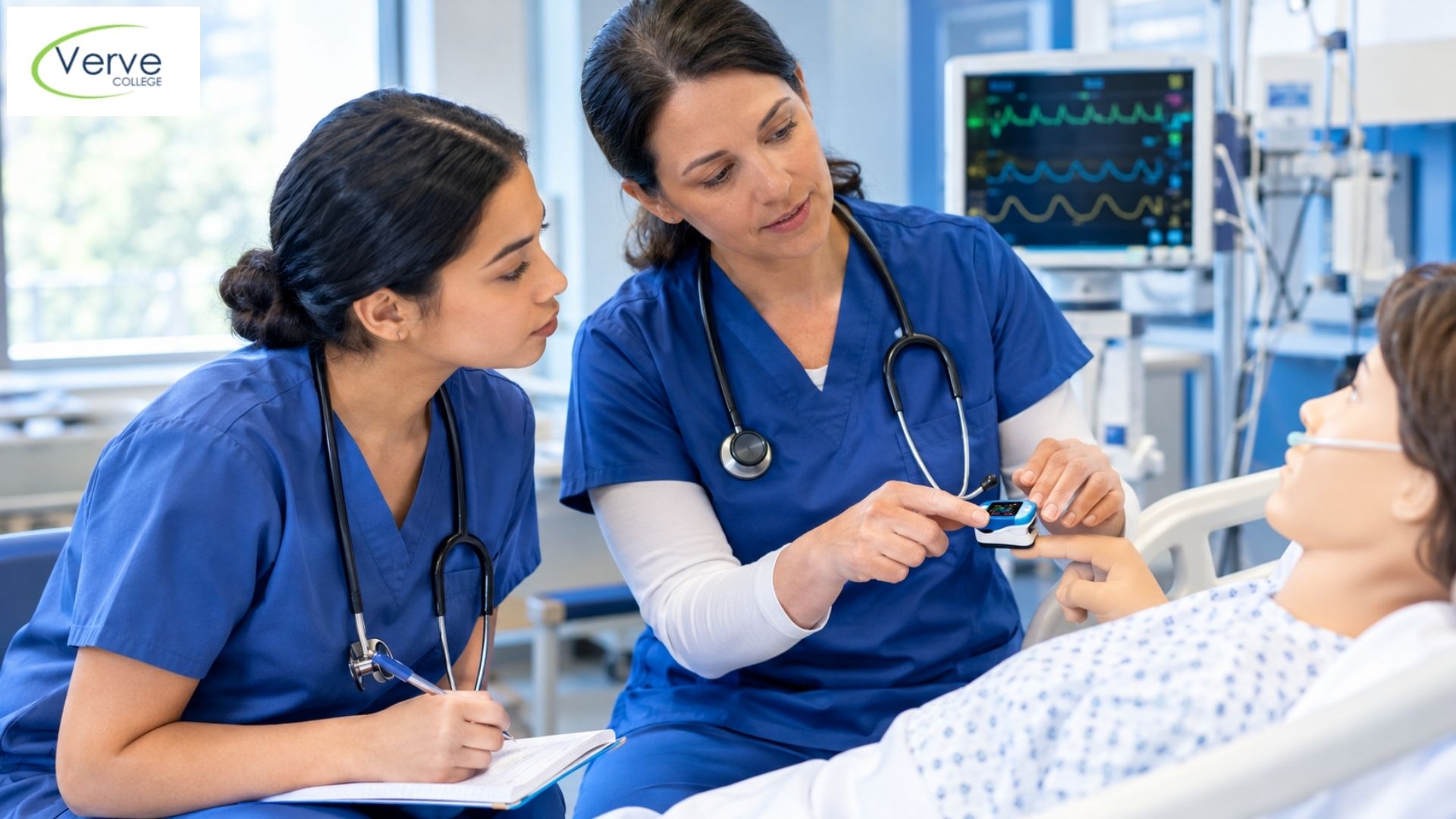
Hypoxia in Nursing Guide: Causes, Signs,…
October 22, 2026 Read More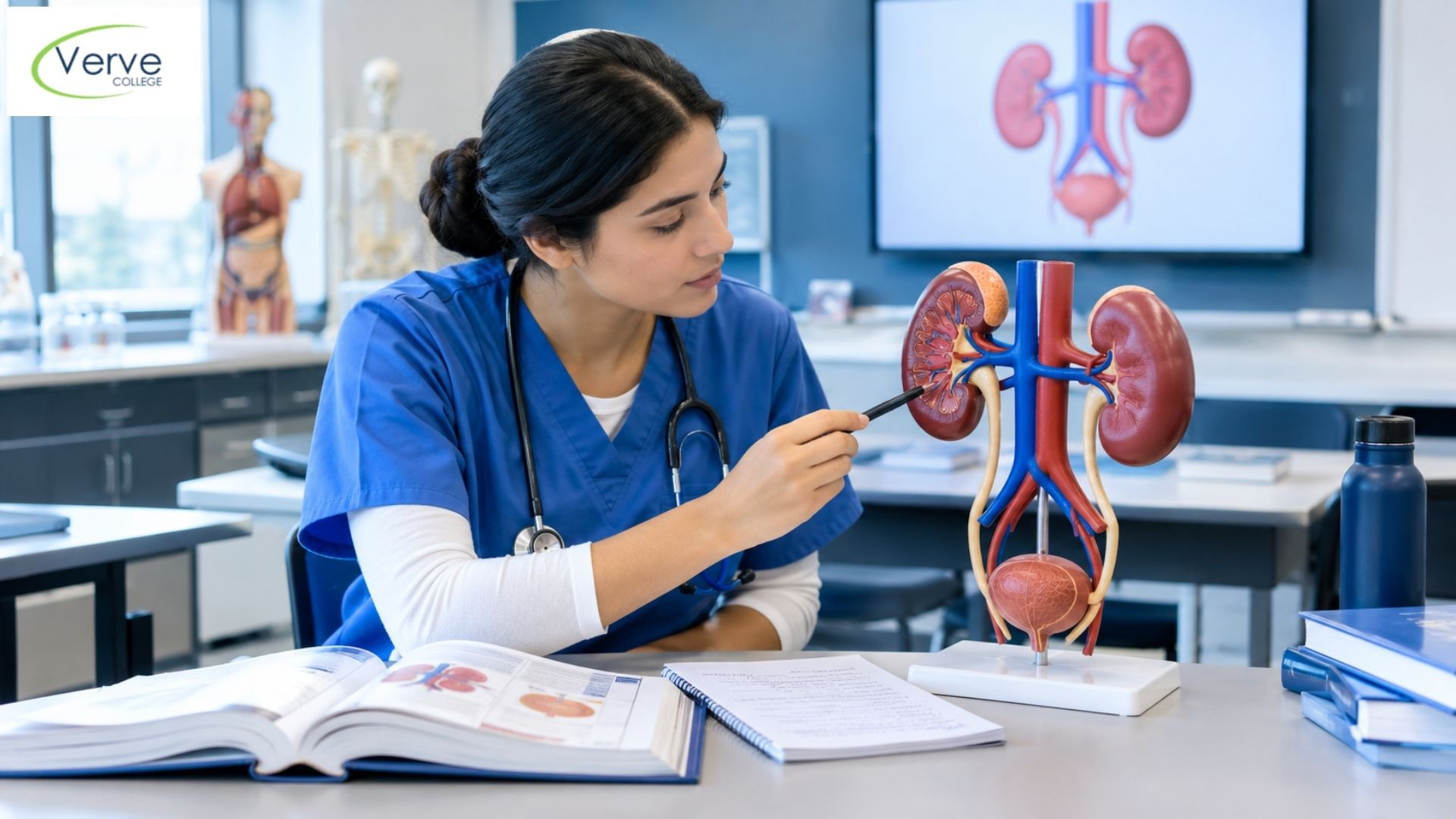
Kidney Fluid Balance Nursing Guide: How…
October 21, 2026 Read More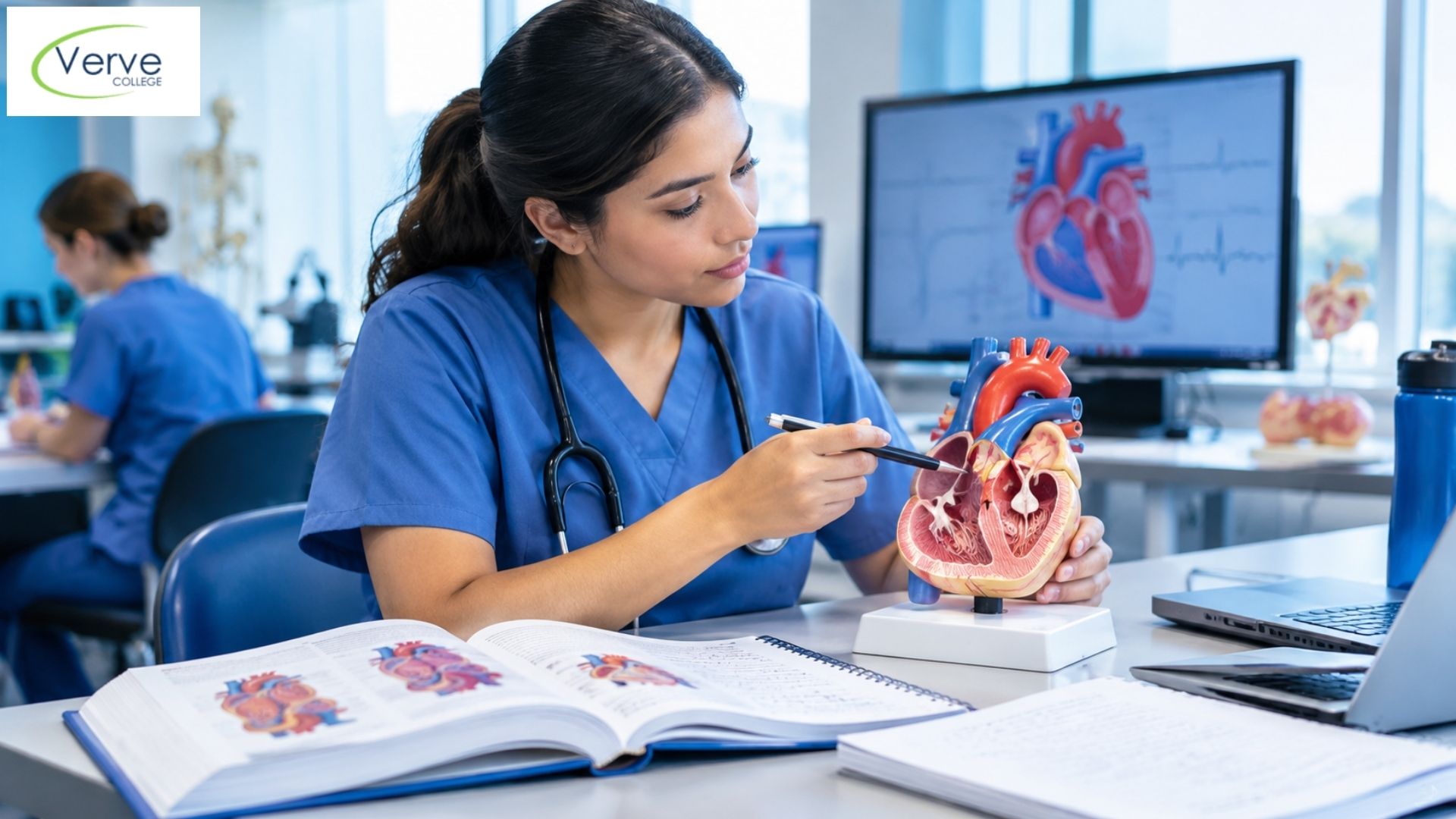
What Is Stroke Volume? Understanding How…
October 20, 2026 Read More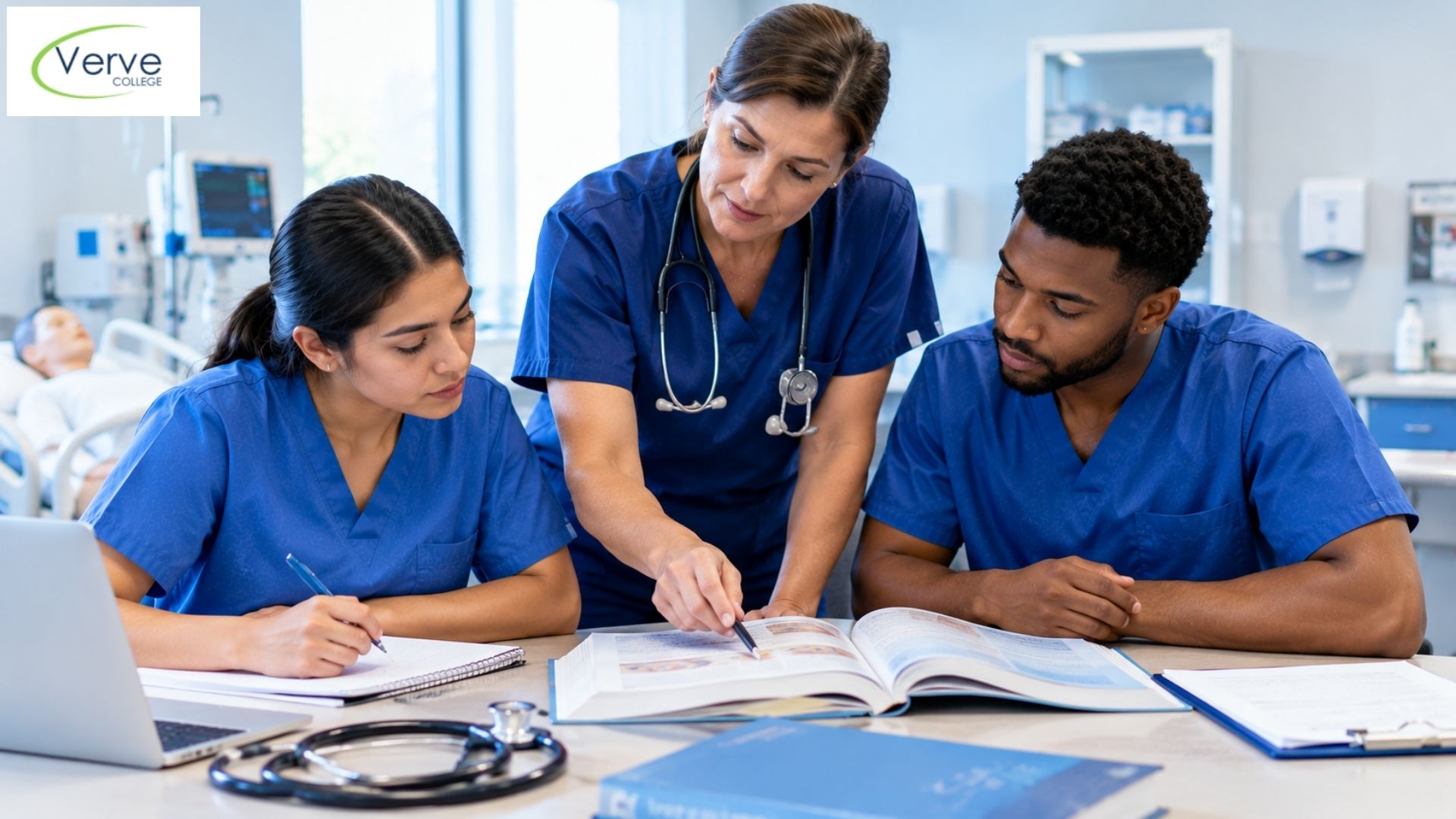
5 Signs an LPN Program Provides…
October 19, 2026 Read More