-
Oak Brook
📍📞 630-705-99992625 Butterfield Rd. Suite 102E
Oak Brook, IL 60523📠 Fax: 630-705-1422✉️ inquiry@vervecollege.edu 🗺️ Open in Google Maps 🍎 Open in Apple Maps🕒Office HoursMon–Fri: 9:30 AM – 6:00 PM
Sat: 8:00 AM – 12:00 PM
Sun: Closed -
Chicago
📍📞 312-920-8822216 W. Jackson Blvd. Suite 900
Chicago, IL 60606📠 Fax: 630-705-1422✉️ inquiry@vervecollege.edu 🗺️ Open in Google Maps 🍎 Open in Apple Maps🕒Office HoursMon–Fri: 9:30 AM – 6:00 PM
Sat: 8:00 AM – 12:00 PM
Sun: Closed - Email:inquiry@vervecollege.edu
- Make a Payment
 Sign up
 Login
Login
- Home
- Programs
- Admission
- Resources
- ATI Entrance Exam Resources
- New E-Digital Library
- Refer a Friend
- School Newsletter
- Events
- Employers
- Job-Network
- Alpha Beta Kappa Candidates
- Verve College Library
- Graduation and Pinning Ceremony Photo Galleries
- Textbook Information
- Career Services
- Tutoring
- School Catalog
- FAQ
- Constitution Day Program
- Alumni
- Verve College Plans
- Financial Aid
- HEERF Reporting
- Satisfactory Academic Progress
- Apply For Financial Aid
- Net Price Calculator
- Return of Title IV Funds (R2T4)
- Financial Aid Office Code of Conduct
- Contact
- FAQs
- Verification Policy
- Vaccination Policy
- Student Right-to-Know Act
- Misrepresentation
- Information Security Program
- Academic Award Year
- Availability of Employee
- Cost of Attendance
- Health & Safety Exemption Requirement
- Students Rights and Responsibilities
- Leave of Absence
- Pell Formula
- Military Students
- Grants/ Scholarship Policy
- Contact Us
- Testimonials
- Blog
Is a Nursing Career Right For You?
Take The Free QuizWhat Is Included in Practical Nursing Coursework?
What Is Included in Practical Nursing Coursework?
Thinking about becoming a Licensed Practical Nurse (LPN) but unsure what practical nursing coursework actually involves? You’re not alone. Many prospective students have questions about what they’ll study, how long it takes, and whether the curriculum will prepare them for the job. Practical nursing coursework covers everything from human anatomy to medication administration to patient communication, and it’s designed to give you the knowledge and hands-on skills you need to practice safely and confidently. Understanding what practical nursing coursework includes helps you choose the right program and know what to expect before you start.
Key Takeaways
- Practical nursing coursework combines classroom instruction, laboratory skills practice, and supervised clinical rotations to prepare you for LPN responsibilities.
- The curriculum covers foundational topics like anatomy and physiology before progressing to advanced nursing concepts and specialized care areas.
- When evaluating best nursing schools in Illinois, look closely at curriculum depth, laboratory resources, faculty support, and clinical partnerships.
- Practical nursing coursework typically includes core topics such as nursing fundamentals, pharmacology, health assessment, adult health nursing, pediatric nursing, maternal and newborn care, geriatric nursing, and mental health nursing.
- The progression from classroom learning to skills practice to real patient care ensures you’re prepared for licensure exams and day-one nursing responsibilities.
- Most programs complete practical nursing coursework in 12 to 14 months, though some offer flexible scheduling options.
What Is Practical Nursing Coursework?
Practical nursing coursework is the complete set of classes, laboratory experiences, and clinical rotations required to become a Licensed Practical Nurse. It’s not just lectures and textbooks. It’s an integrated curriculum designed to build your knowledge gradually while giving you supervised experience with real patients.
Think of practical nursing coursework as three interconnected pieces. First, there’s classroom instruction where you learn the science behind nursing (anatomy, pharmacology, pathophysiology). Second, there’s skills laboratory practice where you learn to perform nursing procedures on models and mannequins before ever touching a patient. Third, there’s clinical experience in hospitals, clinics, and care facilities where you work under the supervision of an RN or LPN instructor and apply everything you’ve learned.
The goal is straightforward: by the time you complete practical nursing coursework, you should be able to provide safe, competent patient care and pass the NCLEX-PN licensure exam. That’s why the coursework is designed the way it is.
How Practical Nursing Coursework Is Structured and Sequenced
Most practical nursing programs follow a logical progression. You start with foundational courses that build your knowledge base, then move into more specialized and advanced topics. This sequencing matters because you can’t understand pathophysiology until you know normal anatomy. You can’t give medications safely until you understand pharmacology. You can’t care for a pediatric patient until you’ve studied child development.
The first courses in practical nursing coursework typically cover fundamentals. Anatomy and physiology teaches you how the body is structured and how systems work. Medical terminology gives you the language you’ll use throughout your career. Nursing fundamentals introduces you to basic nursing concepts, ethical principles, and communication skills. These courses happen early because everything that follows builds on this foundation.
As you progress through practical nursing coursework, you move into disease-focused courses. You study what happens when body systems fail or become diseased. Pharmacology teaches you how medications work and how to administer them safely. Nutrition covers how food supports healing and health. Health assessment teaches you how to evaluate patients using physical examination techniques.
Then practical nursing coursework branches into specialty areas. You’ll study adult health nursing (which covers hospital care for general adult patients), maternal and newborn care (pregnancy, labor, and postpartum care), pediatric nursing (caring for children from infants to adolescents), geriatric nursing (caring for older adults), and mental health nursing (psychiatric conditions and therapeutic communication). Each specialty course includes both classroom instruction and supervised clinical practice in relevant settings.
Finally, most programs include an NCLEX-PN preparation course that reviews key concepts and helps you prepare for the licensure exam that you must pass to practice as an LPN.
Core Topics in Practical Nursing Coursework
Let’s break down the major subjects you’ll encounter in practical nursing coursework. These aren’t isolated topics. They overlap and connect throughout your education.
Nursing Fundamentals and Patient Care
Nursing fundamentals is often the first major course in practical nursing coursework. It covers the basics of nursing practice, including how to communicate with patients and families, how to provide a safe environment, basic hygiene and comfort measures, and fundamental ethical principles. You’ll learn how to document patient care accurately because documentation is part of every nursing interaction.
This course is where you learn that nursing isn’t just about tasks. It’s about caring for the whole person and recognizing that every patient is an individual with unique needs and concerns.
Anatomy and Physiology
You can’t practice nursing without understanding how the body works. Anatomy and physiology is a core component of practical nursing coursework. You study the structure of body systems and how they function. You learn how organs work together to maintain homeostasis (the body’s internal balance). You study how different systems fail and what happens when disease or injury occurs.
Many programs pair anatomy and physiology instruction with laboratory practice where you examine models, look at specimens, and sometimes work with actual cadaver parts. This hands-on learning helps you understand three-dimensional relationships that textbooks can’t fully explain.
Pharmacology and Medication Administration
Pharmacology is essential practical nursing coursework because medication administration is one of your primary responsibilities as an LPN. You’ll study drug classifications, how medications work in the body, side effects, interactions, contraindications, and safe dosage calculations. You’ll learn the six rights of medication administration (right patient, right drug, right dose, right route, right time, right documentation).
Pharmacology isn’t just about memorizing drug names. It’s about understanding why medications are given, what effects they should have, what problems to watch for, and how to teach patients about their medications.
Health Assessment and Patient Evaluation
Health assessment is a practical nursing coursework topic that teaches you how to evaluate patients systematically. You learn to perform physical examinations including taking vital signs, listening to lung sounds, checking pulses, assessing mental status, and evaluating skin condition. You learn to ask good assessment questions and recognize when findings are abnormal.
In the skills lab, you practice these techniques on models and classmates. During clinical rotations, you perform real assessments on actual patients under supervision. This progression from practice to reality is typical of how practical nursing coursework combines different learning environments.
Adult Health Nursing
Adult health nursing is typically the largest section of practical nursing coursework. This course covers common medical and surgical conditions affecting adults. You study heart disease, diabetes, respiratory conditions, kidney disease, cancer, infection, and many other conditions. For each condition, you learn the pathophysiology (what goes wrong), signs and symptoms, diagnostic tests, medical treatment, and nursing care.
Adult health nursing in practical nursing coursework focuses on what LPNs actually do: monitor patients, recognize changes, provide comfort measures, administer medications, assist with treatments, and communicate with the care team.
Maternal and Newborn Care
Obstetric and newborn nursing is covered in practical nursing coursework because LPNs work in obstetric units, birthing centers, and postpartum wards. You study pregnancy changes, labor and delivery, postpartum recovery, and newborn care. You learn to assist with labor, monitor fetal heart rates, provide comfort measures, care for newborns, and support families during this significant life event.
Clinical rotations in obstetrics give you supervised experience in these settings.
Pediatric Nursing
Pediatric nursing is a specialty area included in practical nursing coursework. You study child development at different ages, how children differ from adults physiologically and psychologically, and how to communicate with children and their parents. You learn about common pediatric conditions, immunizations, and age-appropriate nursing care.
Working with children requires different communication skills and different approaches to care than working with adults. Pediatric nursing coursework teaches you these differences.
Geriatric Nursing
Geriatric nursing is increasingly important in practical nursing coursework because many LPNs work in long-term care settings caring for older adults. You learn how aging affects body systems, common conditions in older adults like dementia and osteoporosis, medication considerations for elderly patients, and therapeutic communication with older adults who may have hearing loss or cognitive changes.
Geriatric nursing coursework addresses the reality that the population is aging and LPNs will spend much of their career caring for older patients.
Mental Health Nursing
Mental health nursing is covered in practical nursing coursework because LPNs encounter patients with psychiatric conditions in all healthcare settings, not just psychiatric hospitals. You study depression, anxiety, schizophrenia, bipolar disorder, substance abuse, and other mental health conditions. You learn therapeutic communication techniques, crisis intervention, and how to support patients with mental health challenges without judgment.
Mental health nursing coursework teaches you that mental health is as important as physical health and that compassionate, skillful communication is one of your most powerful nursing tools.
Additional Specialized Topics
Most practical nursing coursework includes additional topics such as infection prevention and control (how diseases spread and how to prevent transmission), patient safety (medication safety, fall prevention, fire safety), nutrition (how diet supports health and healing), and medical-surgical nursing concepts that apply across multiple settings.
Classroom Learning vs. Skills Lab vs. Clinical Practice
Practical nursing coursework works because it uses three distinct learning environments, and each one has a specific purpose.
Classroom Instruction
In the classroom, you learn the science and theory behind nursing. Your instructor explains disease processes, demonstrates concepts, shows videos, leads discussions, and answers questions. Classroom learning helps you understand the “why” behind nursing care. You build knowledge systematically and think critically about nursing concepts.
However, knowing information isn’t the same as being able to apply it. That’s why practical nursing coursework includes more than just classrooms.
Skills Laboratory Practice
The skills lab is where you learn to perform nursing procedures on models before practicing on real patients. You learn to insert a urinary catheter on a model, give injections on practice arms, perform wound dressing changes on simulation dummies, listen to heart and lung sounds on mannequins, and practice patient communication techniques with classmates acting as patients.
The skills lab is crucial because it lets you practice repeatedly, make mistakes without hurting anyone, and build confidence before working with actual patients. Your instructor can watch you perform a procedure, give you feedback, and make sure you’re doing it correctly before you ever touch a real patient.
Clinical Rotations
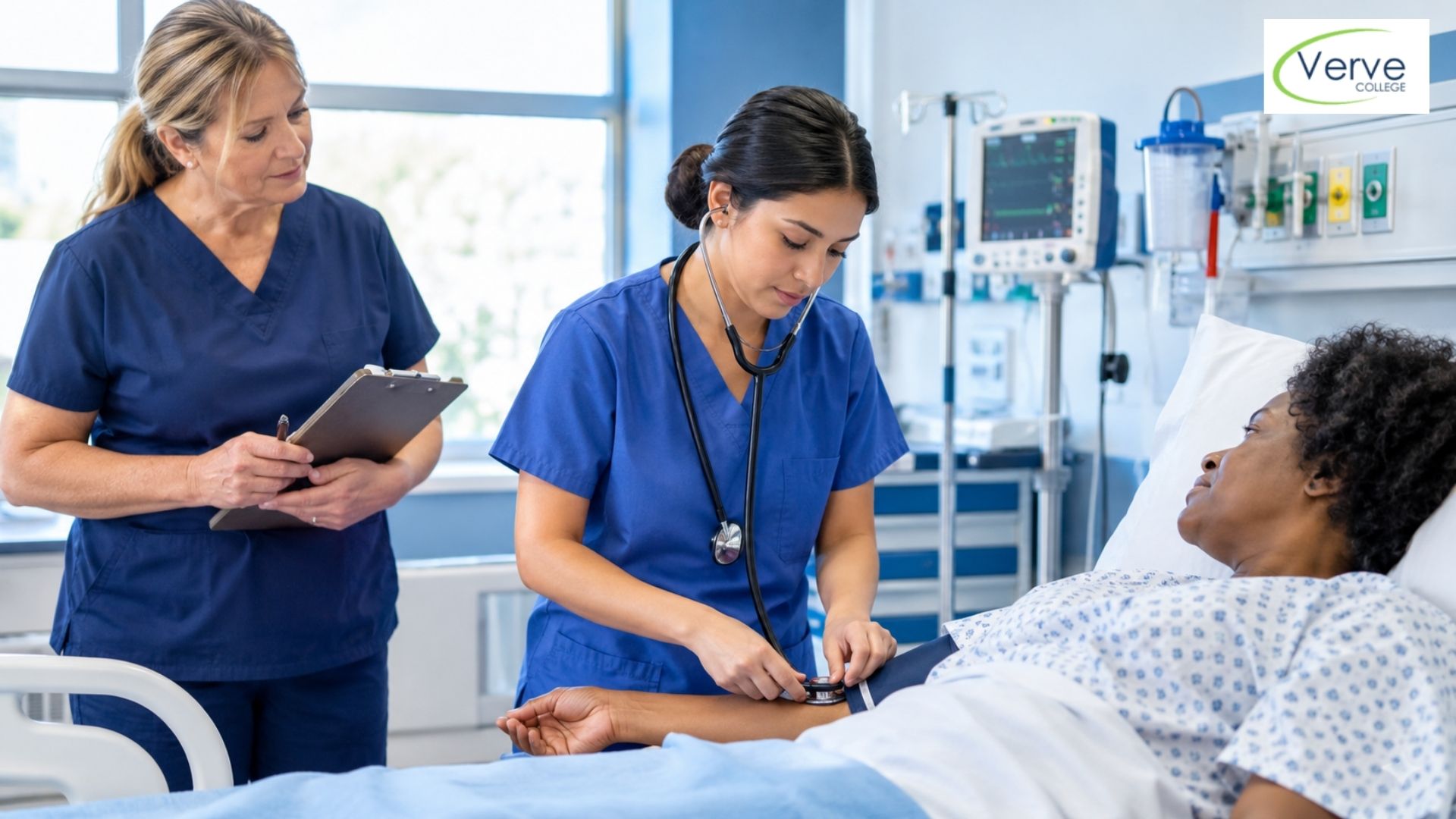
Clinical practice is where everything comes together. You work in real healthcare settings (hospitals, clinics, nursing homes, community health centers) under the supervision of a nurse instructor. You care for real patients, apply what you’ve learned in the classroom and skills lab, and develop professional nursing judgment. You perform assessments, administer medications, assist with procedures, communicate with healthcare teams, and learn the culture and rhythm of actual nursing work.
Clinical experience in practical nursing coursework cannot be replaced. It teaches you things no classroom or skills lab can. You learn how to manage your time when you have multiple patients. You learn how to handle unexpected situations. You learn to work as part of a healthcare team. You develop empathy and professional resilience. You discover whether this career is truly right for you.
Most practical nursing coursework requires 600 to 1,000 clinical hours depending on the program. These hours are spread throughout the program, starting with observation and gradually increasing your responsibilities as you demonstrate competence.
Understanding Licensed Practical Nurse Programs
When you’re researching licensed practical nurse programs, you’ll find that curriculum content is fairly consistent across programs because all LPNs must meet the same licensing standards. However, the depth of content, teaching methods, and support services vary significantly.
Some programs emphasize critical thinking and deeper understanding of pathophysiology. Others focus more narrowly on task-specific nursing skills. Some programs have extensive laboratory and clinical resources. Others are more limited. Some programs offer small class sizes with close faculty mentorship. Others have large cohorts with less individual attention.
These differences matter for your education and success. A program with robust practical nursing coursework and strong support services will prepare you better than a program that rushes through content and offers minimal tutoring or clinical preparation.
How to Evaluate Practical Nursing Programs
When comparing programs, look at several factors related to practical nursing coursework and overall program quality.
Curriculum Depth and Breadth
Ask for a detailed syllabus showing the topics covered in each course. Does the program spend adequate time on pharmacology given how much of your job is medication administration? Does geriatric nursing receive appropriate emphasis if many LPNs work in long-term care? Does the program cover all the specialty areas you’re interested in?
Laboratory Opportunities
Ask how many skills laboratory hours are included. How many mannequins and models are available? Can you practice procedures multiple times? Do you have open lab hours for extra practice? Laboratory experience directly affects your confidence and competence.
Clinical Partnerships
Where will you do clinical rotations? Are partnerships with quality healthcare institutions in place? How much supervision do you get during clinical practice? Clinical experience quality directly affects what you learn.
Faculty Support
Are instructors available for questions outside of class? Is tutoring offered? Do instructors truly care about student success? Faculty support affects retention and learning outcomes.
Scheduling Options
Does the program offer full-time and part-time options? Evening or weekend classes? A hybrid practical nursing program that combines online coursework with in-person laboratory and clinical practice? Your life circumstances matter, and flexible scheduling can make the difference between completing the program and dropping out.
NCLEX-PN Preparation
What resources does the program provide to prepare you for licensure exams? Review courses, practice tests, tutoring? Your goal is to pass the licensing exam on your first attempt, and program support matters for this outcome.
Student Support Services
Beyond academics, does the program offer career services, job placement assistance, alumni networking, mental health counseling, and financial aid guidance? Nursing school is stressful, and comprehensive support helps you succeed.
Why Practical Nursing Coursework Matters for Your Career
Completing rigorous practical nursing coursework isn’t just about passing the licensing exam, though that’s certainly important. It’s about preparing yourself to be a safe, competent, and professional nurse from day one.
Patients depend on you to know what you’re doing. Doctors and other healthcare providers trust LPNs to monitor patients, notice changes, and report appropriately. Your employers expect you to work independently after orientation. Practical nursing coursework gives you the foundation to meet these expectations.
Additionally, your education doesn’t end when you graduate. Nursing is a field where you’ll continue learning throughout your career. The quality of your foundation in practical nursing coursework affects how well you can continue growing professionally. Strong foundational knowledge makes continuing education easier and helps you move into specialty areas or advanced roles if you choose.
Conclusion
Practical nursing coursework is comprehensive, practical, and designed to prepare you for real nursing responsibilities. It combines classroom learning with skills practice and real patient care experience because that’s what it takes to become a competent nurse. The curriculum covers the science of nursing along with practical skills, ethical principles, and professional values.
When you’re choosing a nursing program, don’t just look at length or cost. Evaluate the quality and depth of practical nursing coursework. Look at the resources available, the qualifications of instructors, the strength of clinical partnerships, and the support services offered to students. Your investment of time, money, and effort deserves a program that takes education seriously. Starting your career with strong preparation gives you confidence, competence, and professional satisfaction that carries throughout your nursing practice.
Get Your Nursing Career Training Readiness Score Now!
Frequently Asked Questions (FAQs)
Can I transfer practical nursing coursework credits between programs?
Transfer policies vary by institution. Some schools accept credits from other accredited nursing programs, while others require students to repeat courses or take equivalency exams. When choosing a program, ask about transfer policies in case you need to change schools. This matters because changing programs mid-stream can delay graduation if credits don’t transfer.
How much of practical nursing coursework is clinical practice versus classroom?
Most programs allocate roughly 40 to 50 percent of coursework to clinical practice and 50 to 60 percent to classroom instruction and laboratory skills. This varies by program, so ask for the specific breakdown. The important thing is that you get substantial experience in both classroom learning and supervised clinical practice because both are essential for competence.
Is practical nursing coursework harder than I expect?
Nursing coursework is challenging because the material is complex and the stakes are high. You’re learning to care for human lives, so programs maintain rigorous standards. However, difficulty is relative to your preparation and work ethic. Students who attend class regularly, keep up with readings, study consistently, seek help when confused, and practice skills diligently typically succeed. Nursing school is demanding but achievable.
Most Popular Blogs Posts

LPN School for Working Adults: What…
October 15, 2026 Read More
How to Prepare for Nursing School…
October 14, 2026 Read More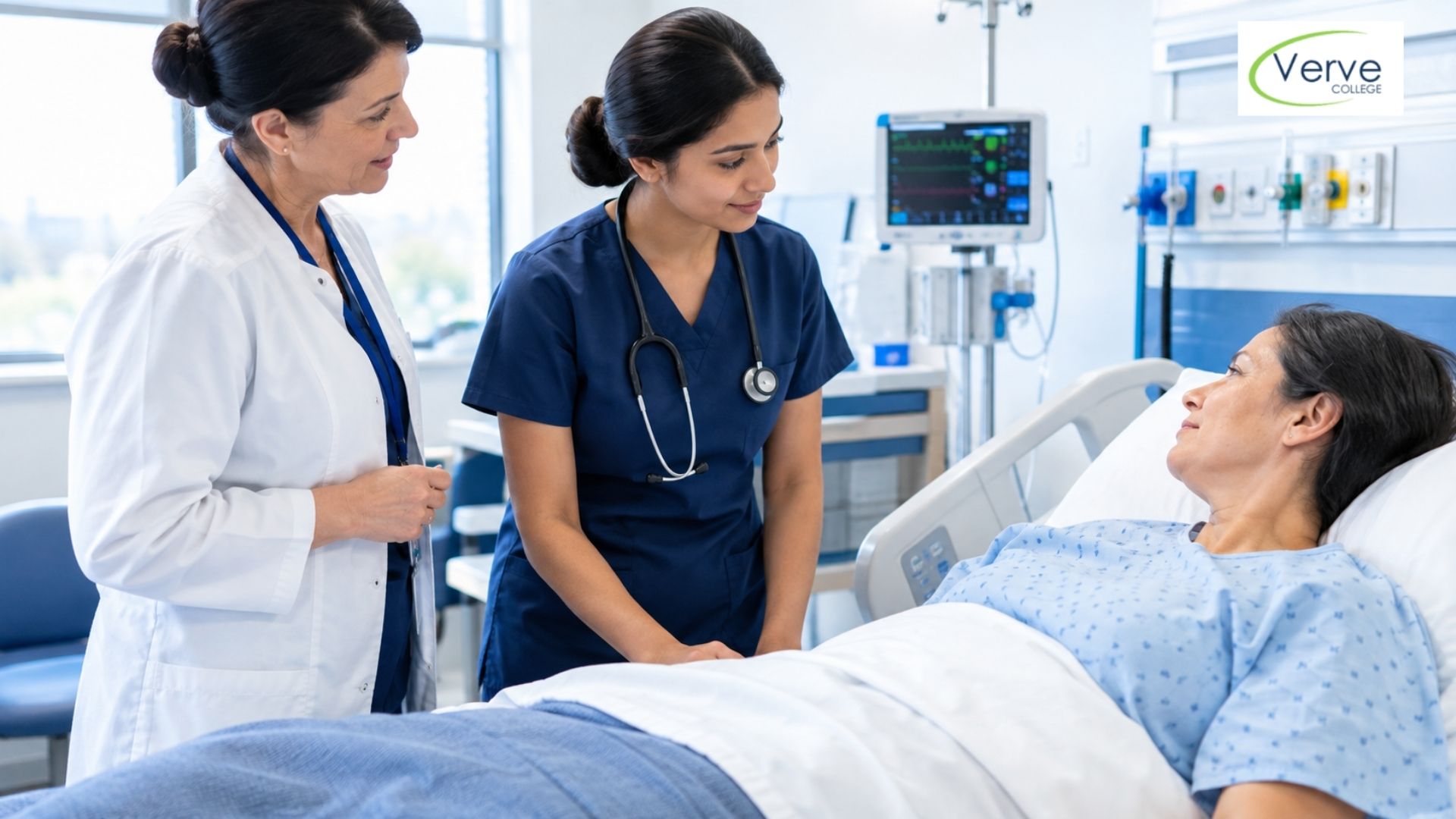
How Practical Nursing Students Build Clinical…
October 14, 2026 Read More
What Is Capillary Refill? A Guide…
October 13, 2026 Read More