- Oak Brook:(630) 705-9999
- Chicago:(312) 920-8822
- Email:inquiry@vervecollege.edu
- Make a Payment
 Sign up
 Login
Login
- Home
- Programs
- Admission
- Resources
- ATI Entrance Exam Resources
- New E-Digital Library
- Refer a Friend
- School Newsletter
- Events
- Employers
- Job-Network
- Alpha Beta Kappa Candidates
- Verve College Library
- Graduation and Pinning Ceremony Photo Galleries
- Textbook Information
- Career Services
- Tutoring
- School Catalog
- FAQ
- Constitution Day Program
- Alumni
- Verve College Plans
- Financial Aid
- HEERF Reporting
- Satisfactory Academic Progress
- Apply For Financial Aid
- Net Price Calculator
- Return of Title IV Funds (R2T4)
- Financial Aid Office Code of Conduct
- Contact
- FAQs
- Verification Policy
- Vaccination Policy
- Student Right-to-Know Act
- Misrepresentation
- Information Security Program
- Academic Award Year
- Availability of Employee
- Cost of Attendance
- Health & Safety Exemption Requirement
- Students Rights and Responsibilities
- Leave of Absence
- Pell Formula
- Military Students
- Grants/ Scholarship Policy
- Contact Us
- Testimonials
- Blog
Is a Nursing Career Right For You?
Take The Free Quiz
How Team Communication Prevents Errors in Healthcare
How Team Communication Prevents Errors in Healthcare
Every day in hospitals and care facilities, healthcare professionals make critical decisions that affect patients’ lives. One of the most overlooked tools for keeping patients safe isn’t a machine or a medication; it’s clear, honest communication between team members. When nurses, doctors, therapists, and other care professionals communicate poorly, mistakes happen. When they communicate well, patients get better outcomes. If you’re considering a nursing career, understanding why team communication in healthcare matters is essential to becoming a nurse who saves lives and earns the respect of colleagues. This article explains how effective communication prevents errors, protects patients, and creates a better workplace for everyone on the care team.
Key Takeaways
- Poor communication is one of the leading causes of medical errors and patient harm in healthcare settings
- Patient safety communication relies on clear handoffs, active listening, and timely reporting of concerns
- The SBAR method (Situation, Background, Assessment, Recommendation) is a structured way to communicate critical patient information
- Interdisciplinary collaboration means doctors, nurses, therapists, and support staff must share information openly and respectfully
- Strong nursing teamwork reduces misunderstandings, improves workflow, and builds a culture of safety
- Students in practical nursing programs learn communication skills that prepare them to work effectively as part of a healthcare team
Why Communication Is the Foundation of Patient Safety
Patient safety communication isn’t just polite conversation. It’s the difference between a patient receiving the right medication at the right time and being harmed by confusion about their care plan.
Studies consistently show that poor communication causes up to 80% of serious, preventable hospital errors. When a nurse forgets to tell the doctor about a patient’s new symptom, or when a shift change happens, and important information gets lost, patients suffer. A medication might be given twice. A critical allergy might be missed. A wound infection might go untreated for hours.
The good news? Most of these errors are preventable. When healthcare teams communicate clearly, document accurately, and listen actively, they catch problems before they hurt patients. This is why any quality practical nursing programs include communication training as a core skill, not an add-on.
The Real Cost of Poor Communication in Nursing Teamwork
Miscommunication in healthcare doesn’t just harm patients. It also drains staff morale, increases stress, and makes the job harder for everyone.
When team members don’t trust each other’s communication, they waste time double-checking information or making unnecessary phone calls. A nurse might feel uncertain about a doctor’s order and spend 20 minutes tracking them down for clarification instead of focusing on patient care. When people feel frustrated or unheard, burnout increases. Good nursing teamwork means team members feel safe speaking up, asking questions, and sharing concerns without fear of judgment.
Shift Handoffs: The Most Dangerous Moment
One of the highest-risk moments in healthcare is a shift change. A patient’s care transfers from one nurse to another, often in a rushed hallway or over the phone. If the incoming nurse doesn’t get complete, accurate information, something critical can be missed.
A strong shift handoff covers the patient’s current condition, medications, recent changes, and any concerns. The best teams use a structured format to make sure nothing gets forgotten. This isn’t bureaucracy; it’s a safety net. When you’re learning in licensed practical nurse programs, you’ll practice these handoffs repeatedly because they’re that important.
Active Listening: The Overlooked Communication Skill
Many people think good communication means talking clearly. But listening might be even more important.
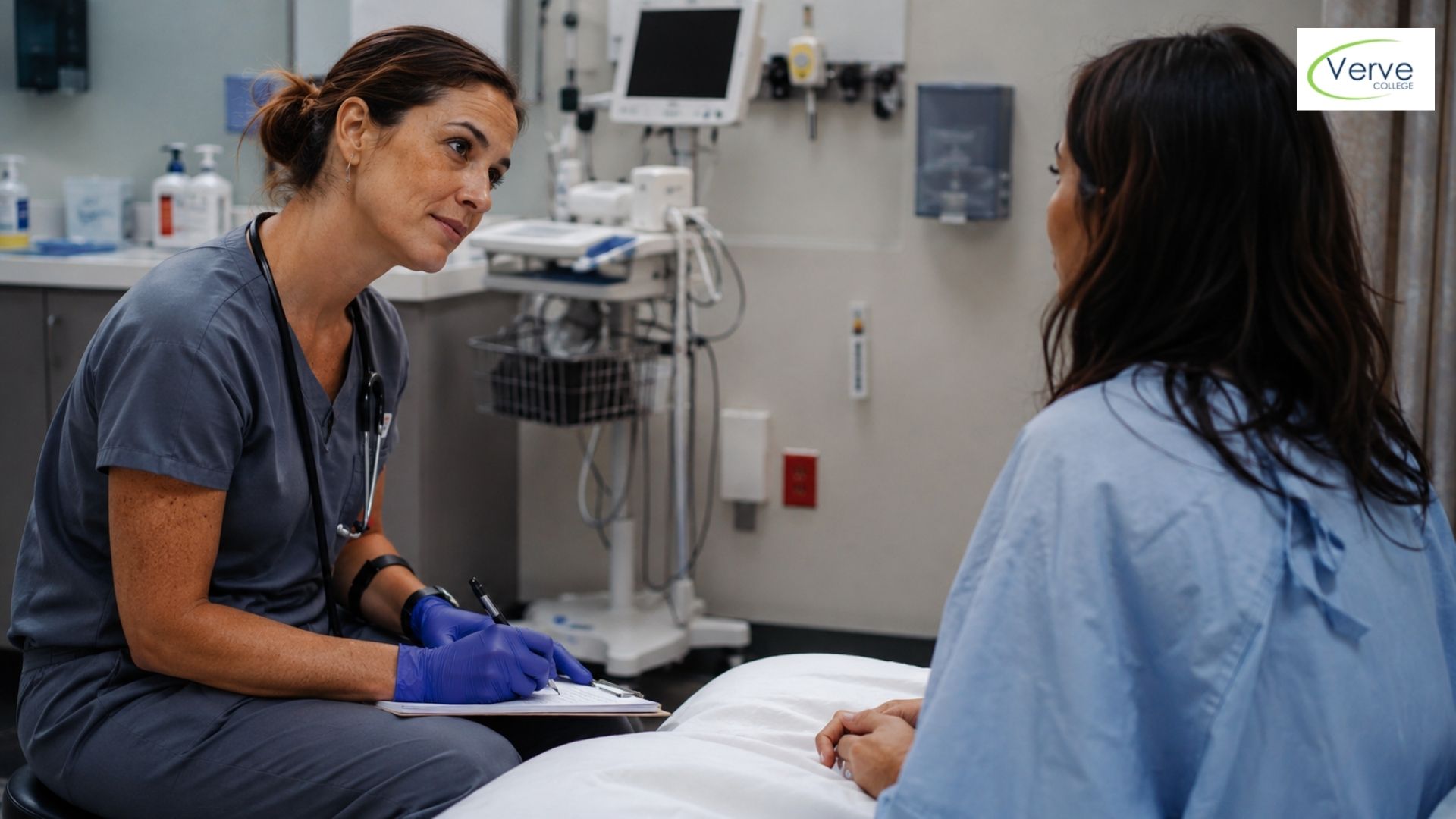
Active listening means paying full attention when someone is speaking, asking clarifying questions, and confirming you understand. It means not checking your phone while a colleague is telling you about a patient’s symptoms. It means taking notes. It means saying back what you heard to make sure you got it right.
In healthcare, a nurse might notice something subtle about a patient that the doctor misses. If that nurse doesn’t speak up, or if the doctor doesn’t truly listen, the patient’s condition might get worse. Active listening creates an environment where team members feel valued and important information doesn’t get lost.
SBAR: A Simple Framework for Clear Communication
SBAR stands for Situation, Background, Assessment, and Recommendation. It’s a structured way to communicate about patients, especially in urgent situations.
Situation: What’s happening right now? (“The patient’s blood pressure just dropped to 90/50.”)
Background: What’s the context? (“He had surgery yesterday and has been stable until now.”)
Assessment: What do you think it means? (“I think he might be losing blood internally.”)
Recommendation: What should we do about it? (“I think the doctor should evaluate him immediately.”)
This simple framework keeps communication focused and prevents important details from getting lost in rambling explanations. When a nurse calls a doctor with a concern, SBAR gets the message across in 30 seconds instead of five minutes of confused talking. Learning how to use SBAR is standard in quality hybrid practical nursing program formats because it’s such a practical, everyday tool.
Documentation: Communication That Lasts
The patient’s medical chart is a form of communication across time. When a nurse documents carefully, the night shift knows what happened during the day. When a doctor reads accurate notes, they can make better decisions.
Poor documentation creates gaps. A nurse might think, “Oh, I told someone about the patient’s rash,” but if it’s not in the chart, the next person doesn’t know. Accurate, timely documentation is a core part of patient safety communication. It protects the patient, protects you as a nurse, and keeps the whole team informed.
Interdisciplinary Collaboration: Different Experts, One Goal
Healthcare is a team sport. A patient might interact with nurses, doctors, physical therapists, respiratory specialists, pharmacists, social workers, and others. Each person brings expertise, but only if they actually talk to each other.
Strong interdisciplinary collaboration means a respiratory therapist tells the nurse what they noticed about the patient’s breathing. The nurse shares concerns with the doctor. The pharmacist alerts the team about drug interactions. Everyone contributes. When team members from different disciplines respect each other’s input and communicate openly, patients get better care.
How Speaking Up Prevents Harm
Healthcare has a culture problem in some settings: junior staff don’t speak up to senior staff. A nursing student might see something wrong but stays quiet because they’re afraid of the doctor. A new nurse doesn’t question a medication dose because she’s intimidated by experience.
This is dangerous. Speaking up, respectfully and professionally, saves lives. If you notice a problem, you have a responsibility to say something. Good healthcare teams create a culture where this is normal and encouraged. When you’re building your nursing career, look for workplaces that reward good communication, not ones that punish questions.
Building Your Communication Skills as a Future Nurse
Strong communication doesn’t come naturally to everyone, and that’s okay. It’s a skill you can develop and improve.
When you’re training for a nursing career, seek out programs that teach communication alongside clinical skills. Role-play scenarios, practice difficult conversations, and learn from experienced nurses. If you’re exploring your options, licensed practical nurse programs should include hands-on practice with real communication challenges, not just lectures about theory.
Verve College Prepares You for Real Healthcare Communication
At Verve College, we know that great nurses are great communicators. Our curriculum includes real-world practice in team communication, patient safety protocols, and interdisciplinary collaboration. Whether you’re exploring practical nursing programs online or in person, we build communication skills into every course.
Our on-campus program includes direct practice with instructors and peers, while our hybrid practical nursing program option gives working adults the flexibility to learn around their lives. Both formats prepare you to walk into a healthcare job ready to communicate effectively and advocate for patient safety from day one.
Conclusion
Team communication in healthcare isn’t a soft skill or a nice-to-have. It’s the foundation of patient safety, staff morale, and career success as a nurse. When you understand how communication prevents errors, you understand why nurses are so essential to healthcare. You’re not just following orders; you’re part of a system that keeps people safe.
If you’re seriously considering a nursing career and want to learn from instructors who emphasize real-world communication skills, Verve College is here to support you. We’ll teach you not just how to be a nurse, but how to be a nurse who communicates, listens, and helps prevent the errors that harm patients. Your future patients and your future colleagues will thank you for taking this seriously now.
Get Your Nursing Career Training Readiness Score Now!
Frequently Asked Questions
Q 1: What’s the difference between good communication and just doing your job as a nurse?
Good communication is doing your job well. A nurse can follow clinical procedures perfectly but still cause harm if they don’t communicate clearly with the team. Patient safety depends on both. Think of it this way: the best clinical skill in the world doesn’t help if nobody knows what you found or what you’re concerned about.
Q 2: What if I’m shy or not naturally a talker? Can I still be a good nurse?
Absolutely. Being a good communicator doesn’t mean being outgoing or talkative. It means being clear, honest, and willing to speak up when it matters. Many of the best communicators are careful listeners who think before they speak. Nursing programs teach communication as a skill, so you’ll improve with practice and feedback.
Q 3: How do I know if a nursing program will actually teach me these skills?
Look for programs that include role-play scenarios, practice with real handoff situations, and feedback from instructors. Ask if graduates feel prepared to communicate in their first jobs. Accredited programs like Verve College prioritize communication training because employers demand it, and patient safety depends on it.
Most Popular Blogs Posts

Travel Nursing for LPNs: How Travel…
September 8, 2026 Read More
How Students Are Learning With Artificial…
September 8, 2026 Read More
What Is Nursing Informatics? How Technology…
September 7, 2026 Read More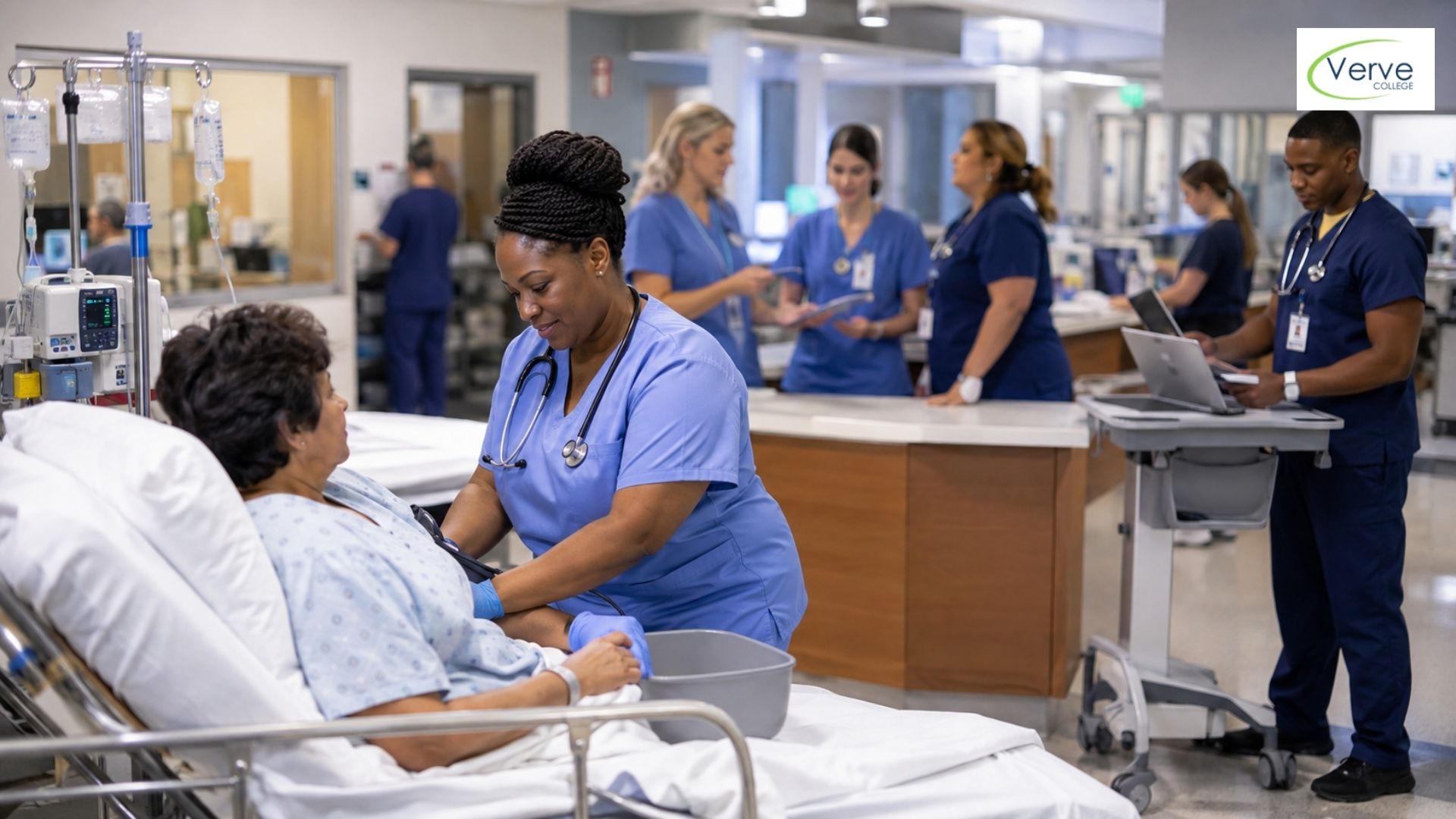
Nursing Shortage Explained: Why Healthcare Needs…
September 7, 2026 Read More