-
Oak Brook
📍📞 630-705-99992625 Butterfield Rd. Suite 102E
Oak Brook, IL 60523📠 Fax: 630-705-1422✉️ inquiry@vervecollege.edu 🗺️ Open in Google Maps 🍎 Open in Apple Maps🕒Office HoursMon–Fri: 9:30 AM – 6:00 PM
Sat: 8:00 AM – 12:00 PM
Sun: Closed -
Chicago
📍📞 312-920-8822216 W. Jackson Blvd. Suite 900
Chicago, IL 60606📠 Fax: 630-705-1422✉️ inquiry@vervecollege.edu 🗺️ Open in Google Maps 🍎 Open in Apple Maps🕒Office HoursMon–Fri: 9:30 AM – 6:00 PM
Sat: 8:00 AM – 12:00 PM
Sun: Closed - Email:inquiry@vervecollege.edu
- Make a Payment
 Sign up
 Login
Login
- Home
- Programs
- Admission
- Resources
- ATI Entrance Exam Resources
- New E-Digital Library
- Refer a Friend
- School Newsletter
- Events
- Employers
- Job-Network
- Alpha Beta Kappa Candidates
- Verve College Library
- Graduation and Pinning Ceremony Photo Galleries
- Textbook Information
- Career Services
- Tutoring
- School Catalog
- FAQ
- Constitution Day Program
- Alumni
- Verve College Plans
- Financial Aid
- HEERF Reporting
- Satisfactory Academic Progress
- Apply For Financial Aid
- Net Price Calculator
- Return of Title IV Funds (R2T4)
- Financial Aid Office Code of Conduct
- Contact
- FAQs
- Verification Policy
- Vaccination Policy
- Student Right-to-Know Act
- Misrepresentation
- Information Security Program
- Academic Award Year
- Availability of Employee
- Cost of Attendance
- Health & Safety Exemption Requirement
- Students Rights and Responsibilities
- Leave of Absence
- Pell Formula
- Military Students
- Grants/ Scholarship Policy
- Contact Us
- Testimonials
- Blog
Is a Nursing Career Right For You?
Take The Free Quiz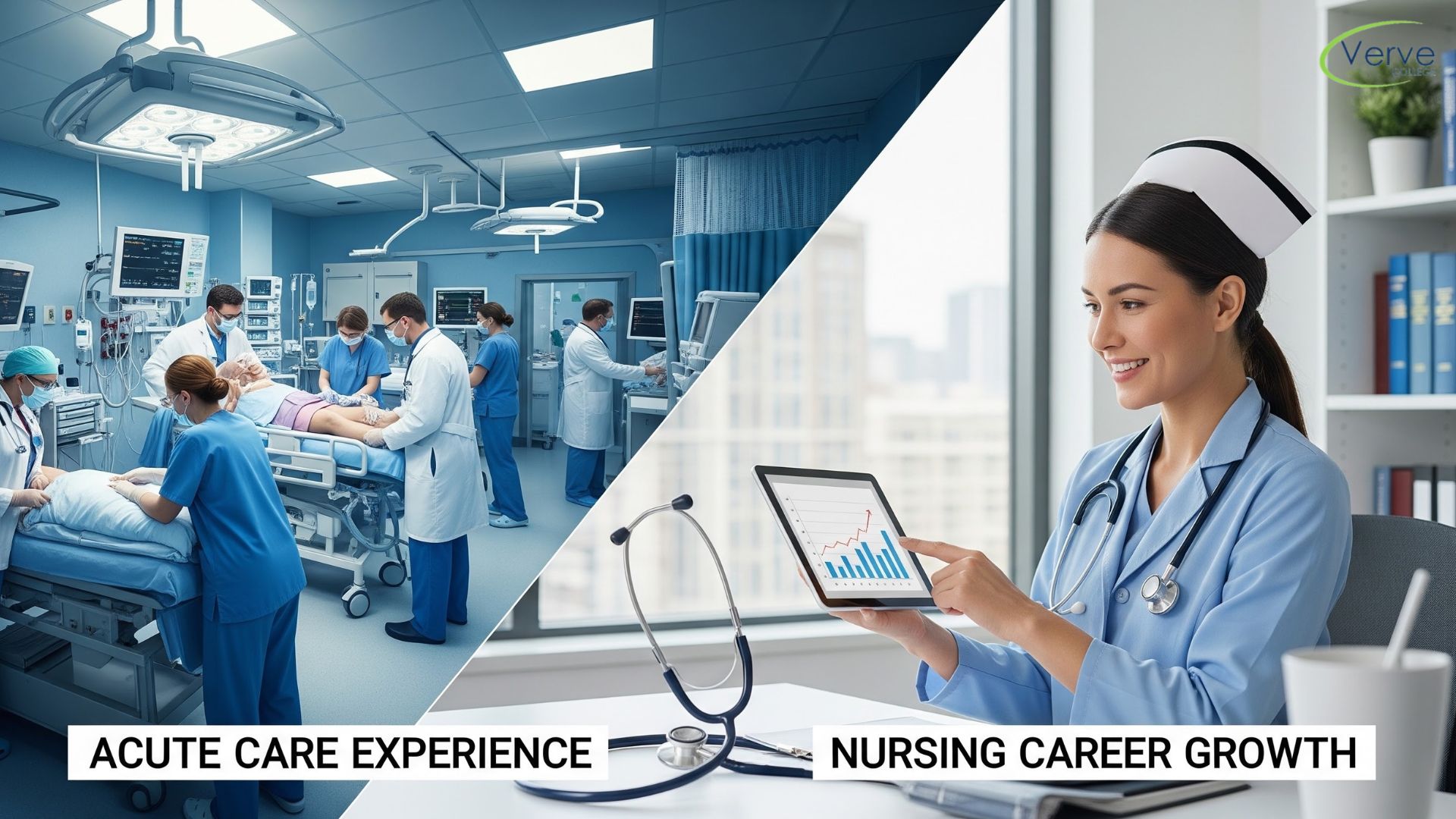
Is Acute Care Experience Necessary for Nursing Career Growth?
Is Acute Care Experience Necessary for Nursing Career Growth?
Healthcare systems are becoming more complex each year. According to workforce reports from the U.S. Bureau of Labor Statistics, healthcare occupations are expected to grow much faster than average over the next decade. As hospitals expand services such as emergency medicine, intensive care, and post-surgical recovery units, nurses often wonder whether working in acute care settings is required for long-term career development.
Many students start thinking about this question while preparing for foundational science courses like anatomy and physiology classes near me, where they first learn how body systems respond to illness and medical treatment. Understanding these systems often sparks interest in high-intensity environments such as hospitals.
However, acute care experience is only one possible pathway in nursing. Some nurses grow their careers in rehabilitation centers, long-term care facilities, outpatient clinics, or community health programs. Each setting builds different clinical strengths that contribute to professional growth.
This article explains how acute care experience affects nursing careers, when it helps, and when other types of clinical experience can be equally valuable.
Key Takeaways
- Acute care environments expose nurses to complex medical conditions and fast decision-making situations.
- Experience in hospitals can help nurses develop strong assessment and prioritization skills.
- Many successful nurses build long careers outside acute care in community health, rehabilitation, and long-term care.
- Career growth depends more on clinical competence, patient communication, and ongoing education than a specific workplace setting.
- Strong foundations in anatomy, physiology, and patient assessment support success in any healthcare environment.
Understanding What Acute Care Means
Acute care refers to medical settings where patients receive short-term treatment for severe injuries, illnesses, or urgent health conditions. Hospitals, trauma centers, emergency departments, and intensive care units are the most common examples.
In these environments, nurses often care for patients who require continuous monitoring, medication management, wound care, and coordination with physicians and specialists. The pace is fast because patient conditions can change quickly.
Working in acute care helps nurses develop the ability to recognize early warning signs of complications such as infection, respiratory distress, or circulatory problems. These situations require quick thinking and strong clinical judgment.
Because of the complexity involved, many healthcare educators believe acute care exposure can sharpen a nurse’s clinical awareness and improve patient safety skills.
Skills Nurses Often Gain From Acute Care Settings
Acute care settings often strengthen several core clinical abilities that support long-term career growth.
First, nurses learn advanced patient assessment techniques. Hospital patients often have multiple medical conditions at the same time. Nurses must evaluate vital signs, monitor symptoms, and communicate updates to the healthcare team.
Second, nurses gain experience with medical technology and treatment procedures. Equipment such as cardiac monitors, infusion pumps, and respiratory support devices are commonly used in hospitals.
Third, acute care environments strengthen teamwork. Nurses collaborate closely with physicians, respiratory therapists, pharmacists, and specialists to coordinate treatment plans.
Many of these skills are introduced during foundational learning stages such as an A&P Class, where students study how body systems interact during illness. This scientific understanding becomes critical when caring for patients experiencing serious medical conditions.
When Acute Care May Help Nursing Career Growth
For some nurses, acute care can open doors to specialized career paths.
Experience in hospital settings may be helpful for nurses interested in areas such as:
- Emergency medicine
- Critical care units
- Surgical recovery units
- Trauma centers
- Advanced clinical leadership roles
These specialties often require strong clinical judgment, quick decision-making, and experience handling complex medical cases.
Acute care can also build confidence when managing rapidly changing patient conditions. This confidence may later support leadership opportunities such as charge nurse roles or clinical mentoring positions.
However, while these benefits exist, acute care is not the only path toward professional advancement.
Career Growth Outside Acute Care
Many nurses develop highly successful careers in non-acute healthcare environments.
Long-term care facilities, rehabilitation centers, outpatient clinics, and home health services allow nurses to focus on different aspects of patient care. Instead of rapid stabilization, these settings emphasize long-term treatment planning, chronic disease management, and patient education.
For example, nurses working in rehabilitation settings often help patients recover after surgery or injury. This work involves monitoring progress, coordinating therapy plans, and helping patients regain independence.
Community health nurses focus on prevention, health education, and improving access to care in local populations. Their work plays an important role in reducing hospital readmissions and supporting public health initiatives.
These career paths demonstrate that nursing growth depends on clinical experience, patient relationships, and continuous learning, not only the type of facility where a nurse works.
Role of Education in Nursing Career Development
Strong academic preparation often has a greater long-term impact on career growth than a specific clinical setting.
Courses that focus on anatomy, physiology, pharmacology, and patient assessment help nurses understand how diseases affect the body and how treatments support recovery. This knowledge improves decision-making in every healthcare environment.
Educational preparation can also strengthen confidence when working with interdisciplinary healthcare teams.
Students who want to strengthen their foundational knowledge sometimes explore additional academic resources such as an A&P prep course in Illinois, which helps reinforce important biological concepts before entering clinical practice.
Building a strong scientific understanding of the human body supports nurses in adapting to different patient care environments throughout their careers.
Conclusion
Acute care experience can be valuable because it exposes nurses to complex medical conditions, rapid clinical decision-making, and collaborative healthcare teamwork. These experiences often strengthen assessment skills and build confidence in challenging patient care situations.
However, acute care is not a universal requirement for nursing career growth. Many nurses develop rewarding and successful careers in long-term care, rehabilitation, outpatient clinics, and community health settings.
The most important factors for long-term success include strong clinical knowledge, communication skills, compassion for patients, and continuous professional development. A solid foundation in medical sciences and patient care principles allows nurses to grow in many different healthcare environments.
FAQs
- Can a nurse switch to acute care later in their career?
Yes. Many nurses begin in long-term care or outpatient settings and later transition into hospital environments. With additional training and clinical orientation, nurses can adapt their skills to acute care settings.
- Do all nursing specialties require hospital experience?
No. Many specialties such as public health nursing, home healthcare, rehabilitation nursing, and case management focus more on long-term patient care rather than hospital treatment.
- How does clinical confidence develop for new nurses?
Clinical confidence usually grows through hands-on patient care, mentorship from experienced nurses, and repeated practice of assessment and treatment procedures in real healthcare environments.
Most Popular Blogs Posts
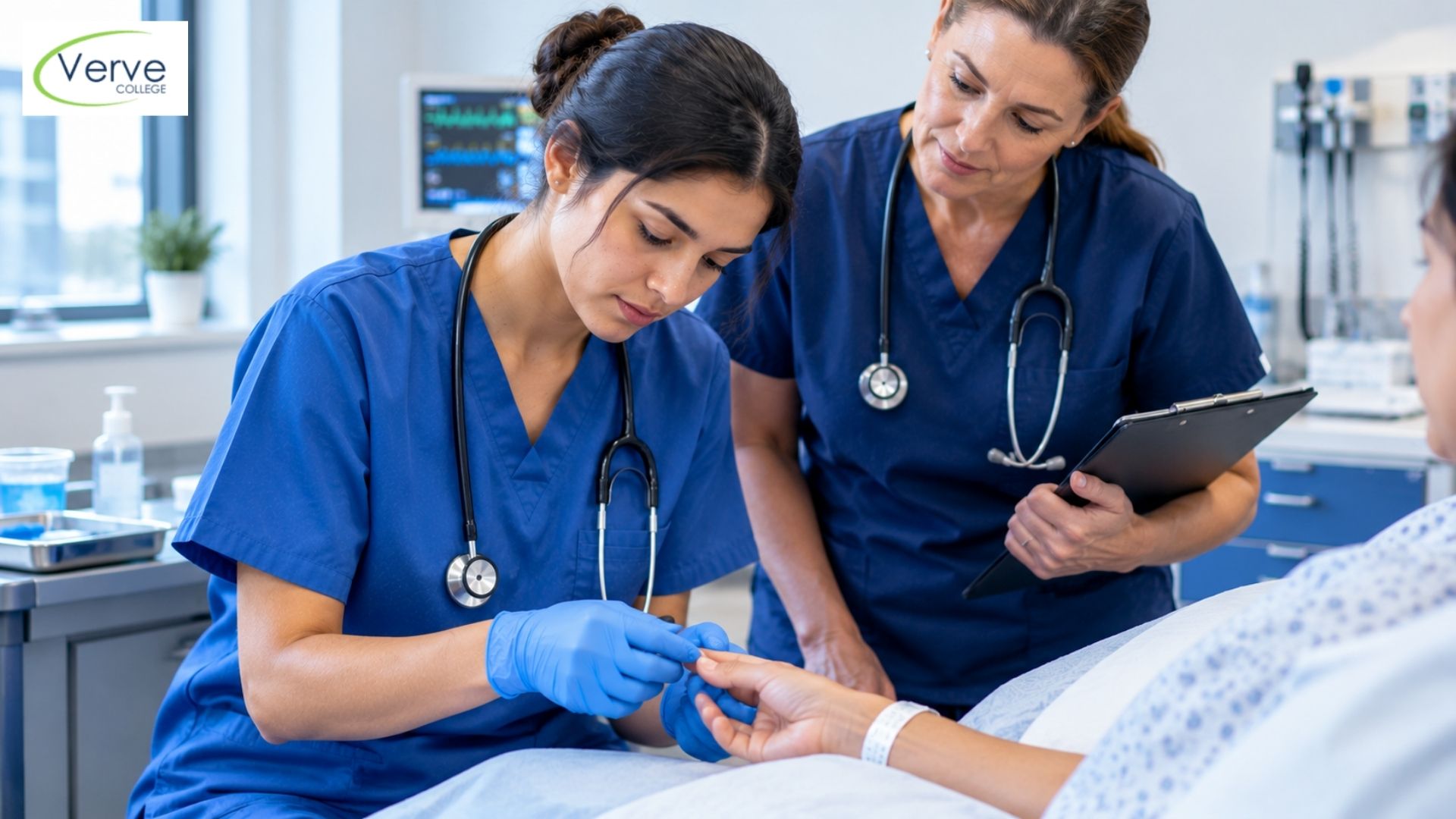
What Is Capillary Refill? A Guide…
October 13, 2026 Read More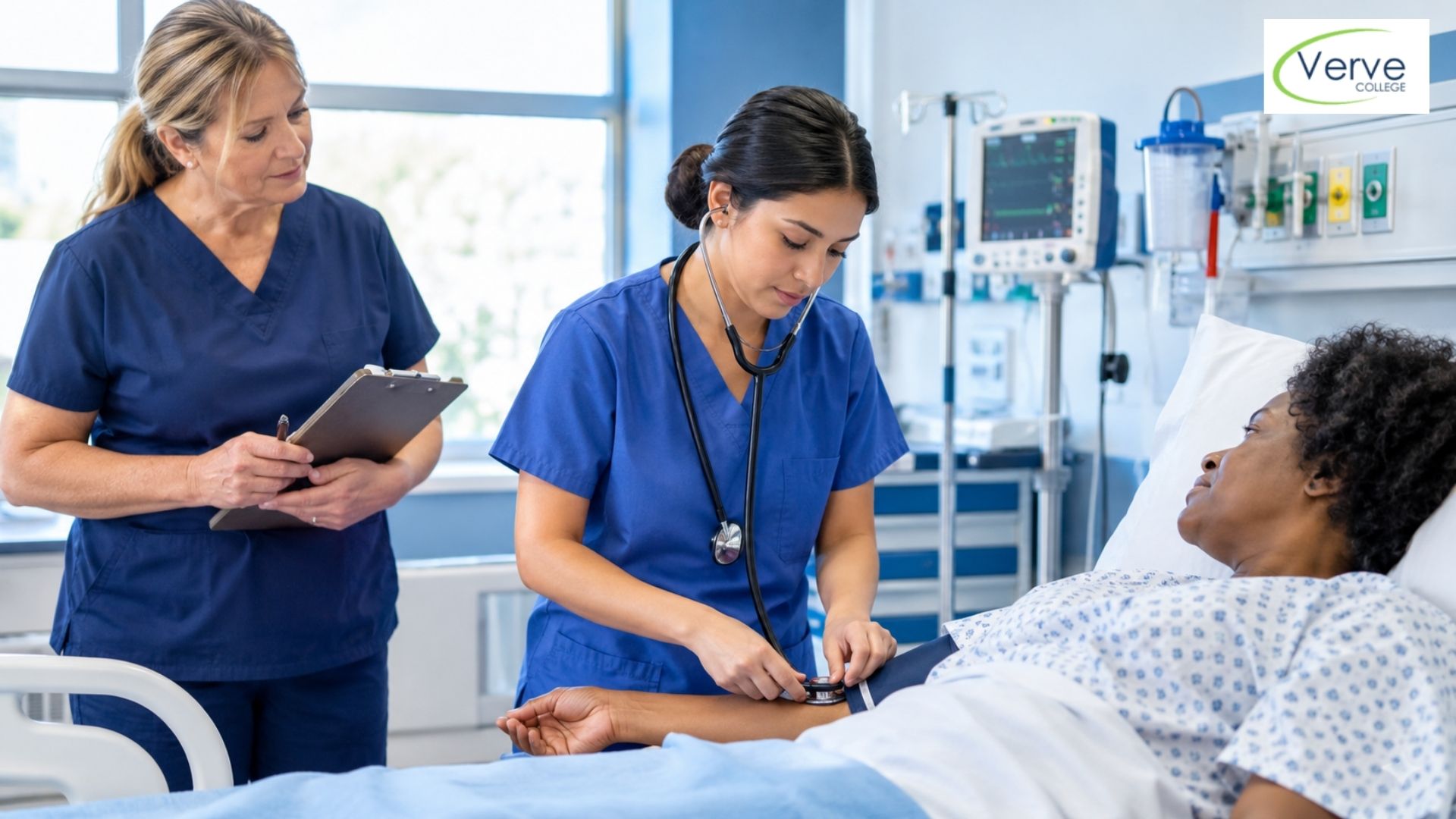
How to Evaluate an LPN Program’s…
October 13, 2026 Read More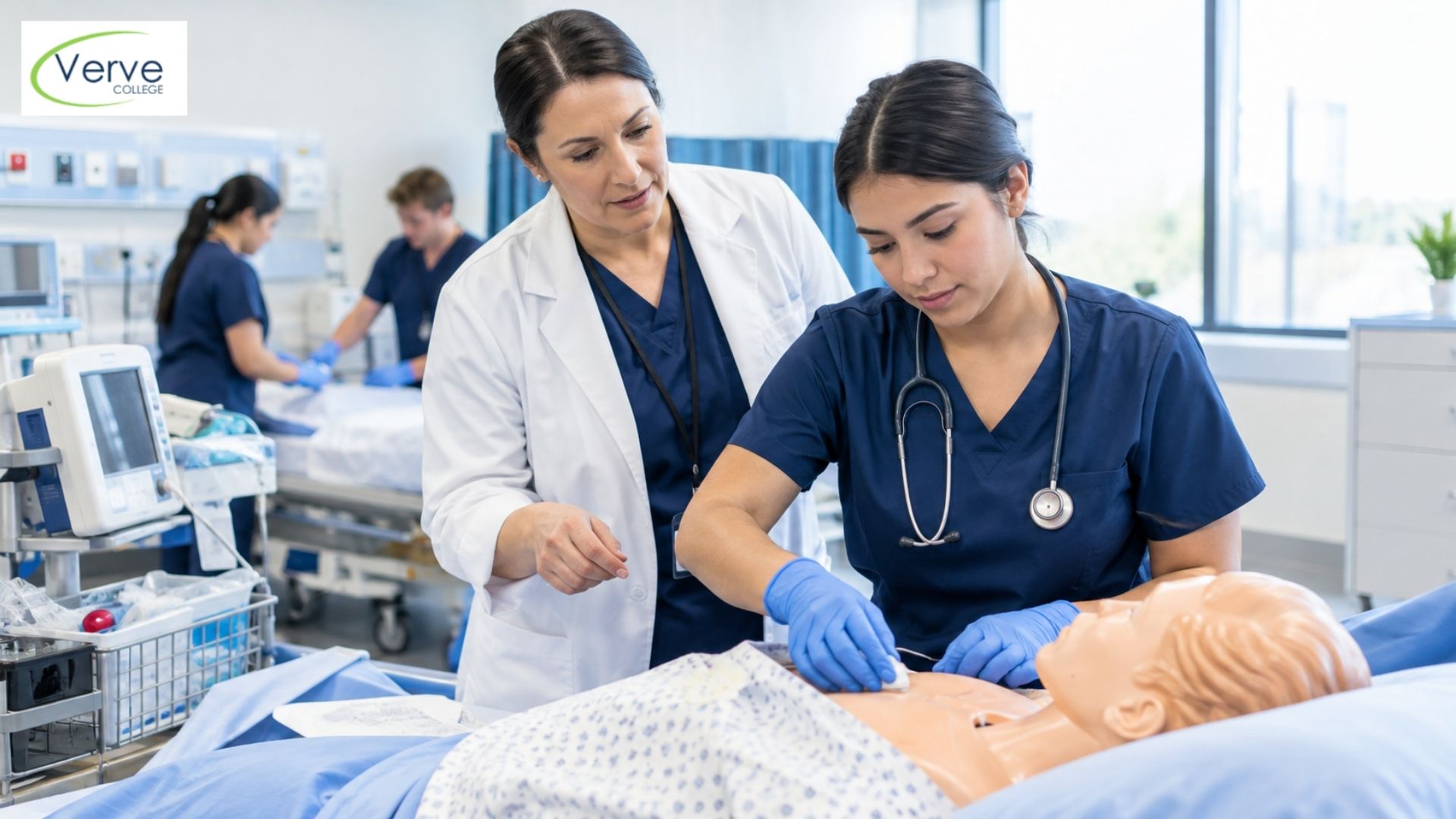
7 Benefits of Hands-On Nursing Education…
October 12, 2026 Read More
What Is Tissue Perfusion? A Simple…
October 12, 2026 Read More