Sign up
 Login
Login
Is a Nursing Career Right For You?
Take The Free Quiz
Common Causes of Death Among Dialysis Patients
Common Causes of Death Among Dialysis Patients
For those suffering from renal failure, dialysis is a life-saving procedure. It helps remove waste and excess fluids from the blood when the kidneys cannot perform this function. However, despite its benefits, dialysis patients face significant health risks. Understanding these risks is important for both patients and healthcare professionals. For students taking an A&P nursing class, learning about these risks helps in understanding how the body responds to chronic kidney disease and dialysis treatment. One critical question often asked is: how do dialysis patients die?

Key Takeaways
- Cardiovascular disease is the leading cause of death in dialysis patients due to fluid overload, high blood pressure, and electrolyte imbalance.
- Infections from dialysis access points can become severe if not treated promptly.
- Chronic illnesses like diabetes and hypertension increase mortality risks among dialysis patients.
- Sudden events during dialysis, such as cardiac arrest or low blood pressure, can also be fatal.
- Preventive care, monitoring, and patient education are essential to reduce these risks.
How Do Dialysis Patients Die?
Cardiovascular Complications
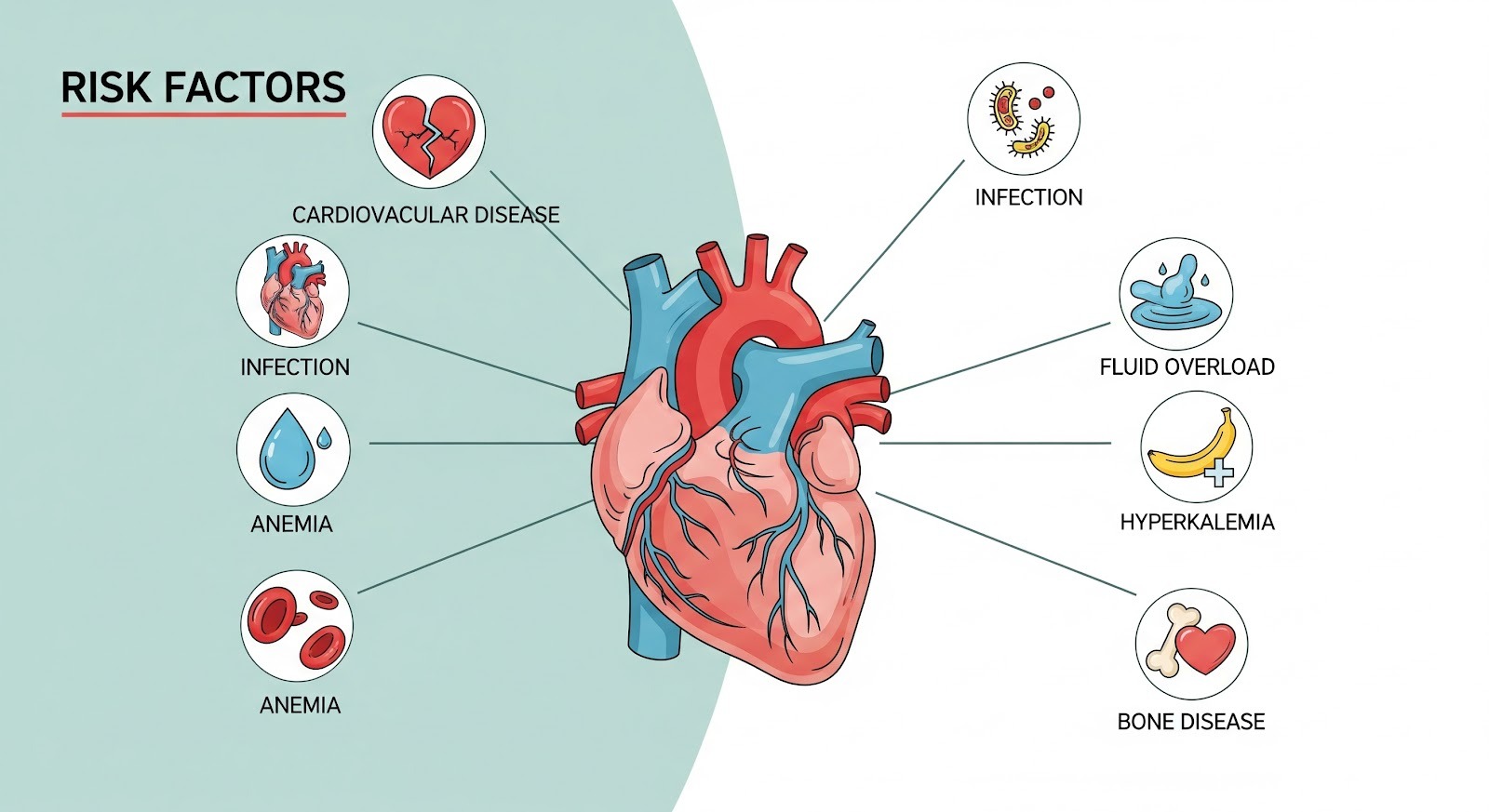
Heart-related issues are the top cause of death among dialysis patients. Fluid overload, high blood pressure, and electrolyte imbalances strain the heart and blood vessels. Many patients have pre-existing heart conditions that dialysis can worsen. Regular monitoring, proper medication, and lifestyle management, such as reducing salt intake and managing weight, can help reduce risks. Cardiovascular problems can sometimes develop silently, making early detection and continuous care crucial.
Infections
Infections are another major threat. Dialysis patients often use catheters, fistulas, or peritoneal access points, which can become entry points for bacteria. Bloodstream infections, pneumonia, and urinary tract infections are common. These infections can quickly become life-threatening if not managed promptly. Maintaining proper hygiene, sterilizing equipment, and regular checkups are essential strategies to prevent infections and reduce mortality.
Complications from Diabetes and Other Chronic Conditions
Diabetes is a leading cause of kidney failure and can worsen outcomes for dialysis patients. High blood sugar damages blood vessels, affecting heart health and immune function. Other chronic conditions, such as hypertension, can also accelerate complications. Understanding these interconnections is important. Students looking for an anatomy and physiology course near me can study how organ systems interact and why chronic diseases increase mortality risks in dialysis patients.
Sudden Dialysis-Related Events
Despite careful treatment, sudden complications can occur during dialysis sessions. Hypotension (low blood pressure), cardiac arrest, and electrolyte imbalances can lead to rapid deterioration. Healthcare providers closely monitor vital signs during dialysis to detect early warning signs. Patients should report any unusual symptoms immediately, and caregivers should be aware of emergency protocols. Regular checkups and adherence to treatment schedules significantly lower the chances of fatal events.
Conclusion
Understanding how do dialysis patients die helps patients, families, and healthcare providers take preventive measures. The main causes of death include cardiovascular complications, infections, chronic illnesses like diabetes, and sudden events during dialysis sessions. Awareness, regular monitoring, and proper care can improve quality of life and reduce mortality risks. Education, patient compliance, and timely medical intervention play a crucial role in protecting dialysis patients and ensuring safer outcomes.
Want to Make a Career in Nursing? Get More Information About Our Courses!
FAQs
- What is the most common cause of death in dialysis patients?
Cardiovascular disease is the most common cause, including heart attacks, heart failure, and strokes due to strain on the heart and blood vessels. - Can lifestyle changes reduce the risk of death on dialysis?
Yes, managing diet, controlling blood pressure and blood sugar, avoiding smoking, and adhering to medications can reduce risks. - How can caregivers help dialysis patients stay safe?
Caregivers should monitor for infections, track vital signs, ensure proper hygiene, and seek medical help promptly if any complications arise.
Most Popular Blogs Posts

Maslow’s Hierarchy of Needs in Nursing…
September 21, 2026 Read More
Per Diem Nursing vs Full-Time Nursing:…
September 21, 2026 Read More
What Is Case Management Nursing? A…
September 17, 2026 Read More
What Is the Blood-Brain Barrier? A…
September 16, 2026 Read More