Sign up
 Login
Login
Is a Nursing Career Right For You?
Take The Free QuizThe Role of Immigrants in the Hospital Workforce for Nurses
The Role of Immigrants in the Hospital Workforce for Nurses
Hospitals across the United States rely on a strong and diverse nursing workforce to deliver safe and effective patient care. One important part of this workforce is immigrants who choose healthcare careers. From bedside care to specialized clinical roles, immigrants contribute skills, experience, and cultural understanding that strengthen hospital systems every day. For many students entering nursing through a hybrid practical nursing program, understanding how immigrants support hospital care also highlights the real-world value of diversity in healthcare teams.
This article focuses on how immigrants support hospitals, improve patient experiences, and help maintain continuity of care without repeating nursing shortage or immigration law debates.

Key Takeaways
- Immigrant nurses play a crucial role in maintaining smooth hospital operations and ensuring high-quality patient care.
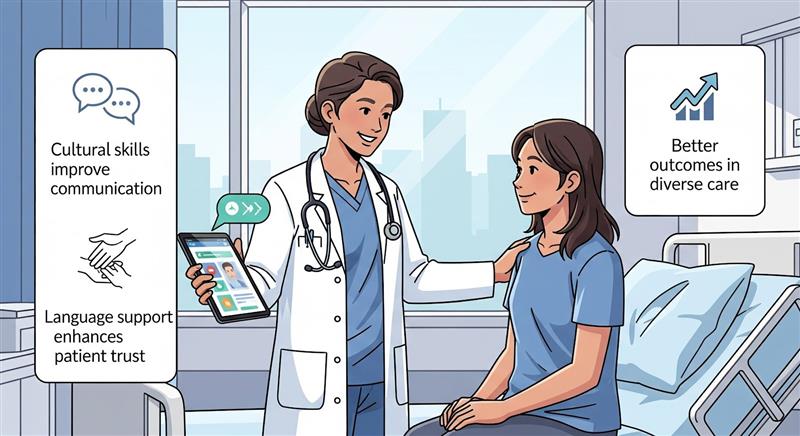
- They bring valuable cultural and language skills that improve patient communication and satisfaction.
- Their diverse experience strengthens teamwork and fosters innovative problem-solving within hospital units.
- Immigrant nurses often work in high-demand areas such as emergency care, long-term care, and medical-surgical units.
- Flexible education pathways, like hybrid lpn programs near me, help immigrant nurses integrate into U.S. healthcare standards.
- Hospitals benefit from workforce stability, reduced turnover, and a more inclusive care environment through immigrant nursing staff.
The Impact of Immigrant Nurses on U.S. Hospital Care
Hospitals in the United States are complex systems that depend on skilled professionals working together under pressure. Immigrants in healthcare, immigrants and healthcare in the US represent a meaningful part of this system, especially in nursing roles that demand both clinical skill and emotional intelligence. Immigrant nurses often work in high-demand units where consistency and reliability are critical for patient safety.
Beyond clinical duties, immigrant nurses support hospital goals related to equity and patient-centered care. Their cultural awareness helps hospitals serve diverse populations more effectively, reducing disparities in access and outcomes. Hospitals also benefit from lower turnover when immigrant nurses build long-term careers within healthcare organizations. This stability improves team cohesion and helps maintain high standards of care across departments.
As hospitals continue to evolve, immigrant nurses remain essential contributors to quality improvement, patient trust, and the overall healthcare experience.
Supporting Career Pathways for Immigrant Nurses
Hospitals often collaborate with educational institutions to help immigrant nurses adapt to U.S. healthcare standards. Orientation programs, mentorship, and continuing education support safe practice and professional growth. Many immigrant students also look for flexible learning options which combine online coursework with hands-on clinical training.
These pathways help immigrant nurses integrate smoothly into hospital environments while meeting licensing and regulatory requirements. Hospitals benefit by gaining nurses who are well-prepared, motivated, and committed to patient care. Over time, these structured pathways help strengthen the nursing workforce while maintaining consistent care quality.
Conclusion
Immigrants are a vital part of hospital nursing teams, contributing skills, compassion, and cultural understanding that improve patient care every day. Their role goes beyond filling positions—they enhance communication, teamwork, and care quality across hospital settings. Immigrants in healthcare, immigrants and healthcare in the US continue to shape a more inclusive and resilient healthcare system. For students and professionals exploring education at the best nursing schools in Illinois, understanding this contribution highlights the importance of diversity and collaboration in modern nursing practice.
Want to Make a Career in Nursing? Get More Information About Our Courses!
FAQs
- Why are immigrants important in hospital nursing teams?
Immigrants bring clinical skills, multilingual abilities, and cultural awareness that improve patient communication, safety, and overall care quality in hospitals. - Do immigrant nurses work in specialized hospital units?
Yes, many immigrant nurses work in emergency care, long-term care, medical-surgical units, and outpatient services, supporting daily hospital operations. - How do hospitals support immigrant nurses?
Hospitals provide orientation, mentorship, continuing education, and structured training programs to help immigrant nurses meet U.S. healthcare standards.
Most Popular Blogs Posts

LPN School for Working Adults: What…
October 15, 2026 Read More
How to Prepare for Nursing School…
October 14, 2026 Read More
How Practical Nursing Students Build Clinical…
October 14, 2026 Read More
What Is Capillary Refill? A Guide…
October 13, 2026 Read More