Sign up
 Login
Login
Is a Nursing Career Right For You?
Take The Free QuizBenefits of Chronic Care Management (CCM) for Patients and Providers
Benefits of Chronic Care Management (CCM) for Patients and Providers
Chronic care management plays a vital role in helping patients with long-term conditions maintain their health and improve their quality of life. By providing structured support, regular monitoring, and guidance, CCM reduces complications, prevents hospital readmissions, and promotes patient independence.
For those looking to become a licensed practical nurse, understanding the benefits of chronic care management equips future caregivers with the knowledge to provide better care. Patients benefit from coordinated treatment plans, while providers can deliver care more efficiently and achieve improved outcomes.
Nurse supporting patient in chronic care management
Key Takeaways
- CCM helps prevent complications and reduces hospital visits.
- Patients receive personalized, continuous care tailored to their needs.
- Providers can streamline care coordination and improve efficiency.
- Understanding CCM is valuable for aspiring LPNs and other healthcare professionals by explaining the benefits of chronic care management.
key benefits of chronic care management
Benefits of Chronic Care Management
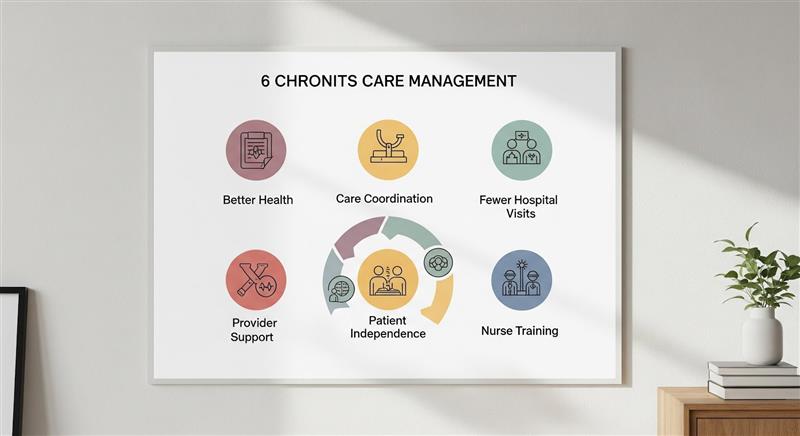
Chronic care management offers significant advantages for both patients and healthcare providers. By focusing on long-term disease management, CCM addresses not just symptoms but the overall health and wellbeing of patients.
- Improved Patient Health
CCM helps patients take the right medications, follow treatment plans, and make healthy lifestyle choices. Regular check-ins with healthcare providers allow early detection of problems, which prevents conditions from getting worse. Over time, this leads to better overall health and a higher quality of life. Patients feel more in control of their health because they know someone is monitoring their progress and guiding them. - Better Care Coordination
Chronic care management makes sure all healthcare providers involved in a patient’s care communicate clearly. Doctors, nurses, and specialists can share important information about treatments and medications. This avoids confusion, duplicated tests, and mistakes. When care is coordinated well, patients receive smoother, safer, and more organized treatment, helping them feel supported throughout their healthcare journey. - Fewer Hospital Visits
Regular monitoring and early interventions reduce the chances of emergencies or hospitalizations. Patients can get help before small issues turn into serious problems. This reduces stress for patients and saves money on medical bills. For providers, fewer emergency visits mean resources can be focused on patients who need urgent care, making the healthcare system more efficient. - Support for Healthcare Providers
CCM gives healthcare providers clear guidelines and tools to manage patients effectively. Providers can track patient progress, identify issues early, and plan care efficiently. It also makes teamwork easier, as everyone on the care team knows the patient’s status. This saves time, reduces errors, and allows providers to give better care without feeling overwhelmed. - Patient Confidence and Independence
Patients learn about their conditions and how to manage them, which makes them more confident in their own care. CCM teaches self-monitoring, healthy habits, and when to seek help. Patients feel empowered because they understand their illness and how to take care of themselves daily. This independence can lead to happier, healthier lives and stronger trust in their healthcare team. - Learning Opportunity for Nurses
For future healthcare professionals, especially those in accredited LPN programs, CCM is a valuable learning experience. It shows how to provide patient-centered care, coordinate with other providers, and monitor long-term health. Learning these skills during training prepares nurses for real clinical settings and helps them give better, safer care to patients.
Conclusion
Chronic care management benefits extend across the healthcare spectrum. Patients enjoy improved health outcomes, reduced hospital visits, and enhanced confidence in managing chronic conditions. Providers benefit from better care coordination and efficient use of resources. For aspiring nurses, understanding CCM is an essential part of professional development, whether through formal training or hands-on experience in an A&P class. Embracing chronic care management ensures healthier patients and more effective healthcare systems overall.
Want to Make a Career in Nursing? Get More Information About Our Courses!
FAQs
- What is chronic care management (CCM)?
CCM is a coordinated approach to managing patients with long-term health conditions. It involves regular monitoring, education, and support to improve outcomes and reduce complications. - Who benefits most from CCM?
Patients with chronic conditions such as diabetes, heart disease, or COPD benefit the most. Healthcare providers also benefit through streamlined workflows and improved patient outcomes. - How can aspiring nurses learn about CCM?
Aspiring nurses can gain knowledge through accredited LPN programs, practical clinical experience, and courses that focus on patient-centered care and chronic condition management.
Most Popular Blogs Posts

Hypoxia in Nursing Guide: Causes, Signs,…
October 22, 2026 Read More
Kidney Fluid Balance Nursing Guide: How…
October 21, 2026 Read More
What Is Stroke Volume? Understanding How…
October 20, 2026 Read More
5 Signs an LPN Program Provides…
October 19, 2026 Read More