Sign up
 Login
Login
Is a Nursing Career Right For You?
Take The Free Quiz
Common Workplace Safety Issues Nurses Must Avoid
Common Workplace Safety Issues Nurses Must Avoid
Nurses work in fast-paced, high-pressure environments where health and safety for nurses in the workplace must always remain a priority. While the profession is rewarding, it also exposes healthcare workers to a wide range of risks—physical, biological, environmental, and emotional. Understanding these hazards is the first step toward preventing injuries, ensuring compliance, and maintaining a safe, productive care environment for both patients and staff.
Whether you’re just entering nursing or preparing for your first clinical experience through an A&P prep course Illinois, knowing the biggest workplace threats can help you stay safe and confident on the job.
Key Takeaways
- Nurses face a variety of safety risks, from needlestick injuries to workplace violence.
- Proper training, awareness, and preventive strategies significantly reduce workplace hazards.
- Healthcare facilities share responsibility with nurses in promoting workplace safety for nurses through policies, equipment, and reporting systems.
Common Workplace Safety Issues Nurses Must Avoid
1. Needlestick and Sharps Injuries
One of the most common occupational hazards in healthcare, needlestick injuries expose nurses to bloodborne pathogens such as HIV and Hepatitis B and C. These incidents usually occur during injections, IV line management, or improper disposal of sharps.
How to avoid it:
- Follow proper sharps disposal protocols.
- Never recap needles.
- Use safety-engineered devices whenever available.
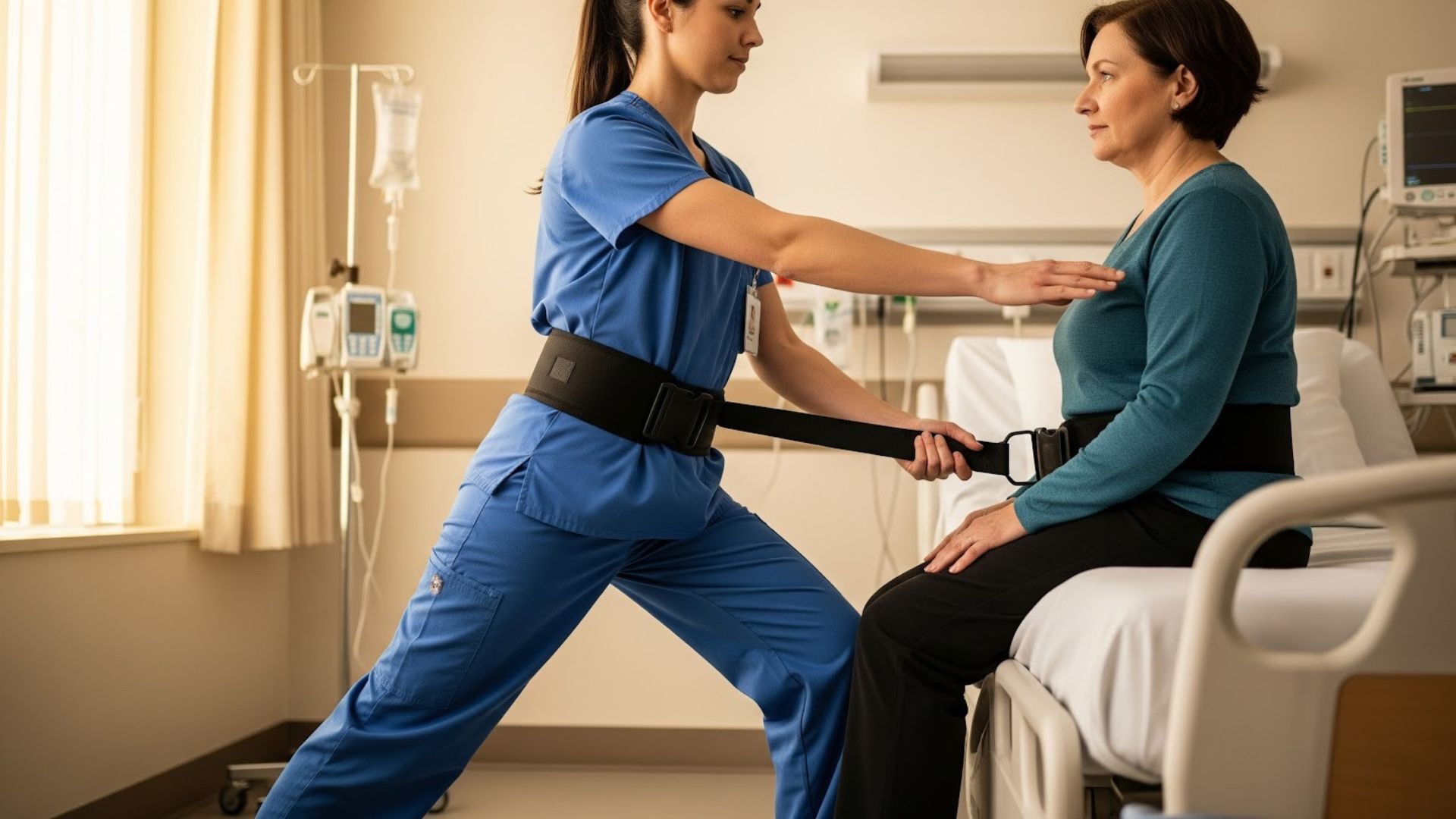
2. Patient Handling and Musculoskeletal Injuries
Lifting, transferring, and repositioning patients can lead to chronic back pain, strains, and long-term musculoskeletal disorders.
Prevention tips:
- Use mechanical lifts and transfer boards.
- Request assistance for heavy transfers.
- Apply body mechanics learned in your A&P class to prevent injuries.
3. Workplace Violence
Nurses frequently encounter aggressive or agitated patients, visitors, or even coworkers. Verbal threats, physical assaults, and emotional intimidation are increasingly common in hospital environments.
Prevention tips:
- Participate in facility-led de-escalation training.
- Report incidents immediately.
- Maintain clear escape routes and work in pairs when necessary.
4. Exposure to Infectious Diseases
From respiratory illnesses to contact-transmissible infections, nurses regularly interact with contagious patients. Without proper precautions, they may experience increased risk of occupational illness.
Safety strategies:
- Use PPE (masks, gloves, goggles) appropriately.
- Follow isolation protocols.
- Practice consistent hand hygiene.
5. Medication Errors
Fast-paced workflows sometimes lead to incorrect dosing, wrong-patient administration, or mislabeling. These errors endanger both patient health and the nurse’s license.
Prevention tips:
- Follow the “Five Rights” of medication administration.
- Avoid distractions when preparing medications.
- Double-check high-alert drugs with another licensed nurse.
6. Slips, Trips, and Falls
Wet floors, cluttered hallways, and poorly lit areas increase the risk of falls in hospital units.
What helps:
- Wear slip-resistant footwear.
- Report spills or hazards immediately.
- Keep work areas clear of equipment.
7. Chemical and Hazardous Material Exposure
Cleaning agents, chemotherapy drugs, and disinfectants can irritate the skin, lungs, or eyes if mishandled.
Safety actions:
- Follow Material Safety Data Sheets (MSDS) guidelines.
- Use proper protective equipment.
- Handle and store hazardous chemicals appropriately.
8. Emotional and Mental Health Stress
Nursing involves long shifts, emotionally challenging cases, and continuous decision-making. Burnout and compassion fatigue can impact job performance and overall well-being.
Prevention strategies:
- Take scheduled breaks.
- Seek support from wellness programs.
- Practice stress-relief techniques such as mindfulness and self-care routines.
Conclusion
Staying safe in a healthcare setting is essential for every nurse. By understanding the most common workplace safety issues for nurses, you can take steps to avoid injuries, reduce stress, and maintain a healthy work environment. Simple habits—like using proper lifting techniques, wearing protective equipment, and reporting unsafe situations make a big difference.
Want to Make a Career in Nursing? Get More Information About Our Courses!
Building strong knowledge early on, such as through anatomy and physiology classes near me, also helps nurses make safer choices during daily tasks. When nurses stay aware, follow safety guidelines, and support one another, the workplace becomes safer for both staff and patients. A strong focus on safety creates a healthier, more confident, and more effective nursing team.
Frequently Asked Questions (FAQs)
1. What is the biggest safety concern for nurses?
Needlestick injuries and musculoskeletal disorders are among the most common risks, but workplace violence and exposure to infectious diseases are also growing concerns.
2. How can nurses prevent workplace injuries?
Prevention starts with awareness, proper training, following facility protocols, using protective equipment, and reporting incidents promptly.
3. Why is workplace safety important in nursing?
It protects nurses from injury, supports patient safety, reduces hospital costs, and helps maintain a healthy and efficient work environment.
Most Popular Blogs Posts

How LPN Training Prepares Students for…
October 5, 2026 Read More
What Is Inflammation? A Simple Guide…
October 1, 2026 Read More
What Are Synovial Joints? Types and…
September 30, 2026 Read More
What Is a Nursing Compact License?…
September 30, 2026 Read More