-
Oak Brook
📍📞 630-705-99992625 Butterfield Rd. Suite 102E
Oak Brook, IL 60523📠 Fax: 630-705-1422✉️ inquiry@vervecollege.edu 🗺️ Open in Google Maps 🍎 Open in Apple Maps🕒Office HoursMon–Fri: 9:30 AM – 6:00 PM
Sat: 8:00 AM – 12:00 PM
Sun: Closed -
Chicago
📍📞 312-920-8822216 W. Jackson Blvd. Suite 900
Chicago, IL 60606📠 Fax: 630-705-1422✉️ inquiry@vervecollege.edu 🗺️ Open in Google Maps 🍎 Open in Apple Maps🕒Office HoursMon–Fri: 9:30 AM – 6:00 PM
Sat: 8:00 AM – 12:00 PM
Sun: Closed - Email:inquiry@vervecollege.edu
- Make a Payment
 Sign up
 Login
Login
- Home
- Programs
- Admission
- Resources
- ATI Entrance Exam Resources
- New E-Digital Library
- Refer a Friend
- School Newsletter
- Events
- Employers
- Job-Network
- Alpha Beta Kappa Candidates
- Verve College Library
- Graduation and Pinning Ceremony Photo Galleries
- Textbook Information
- Career Services
- Tutoring
- School Catalog
- FAQ
- Constitution Day Program
- Alumni
- Verve College Plans
- Financial Aid
- HEERF Reporting
- Satisfactory Academic Progress
- Apply For Financial Aid
- Net Price Calculator
- Return of Title IV Funds (R2T4)
- Financial Aid Office Code of Conduct
- Contact
- FAQs
- Verification Policy
- Vaccination Policy
- Student Right-to-Know Act
- Misrepresentation
- Information Security Program
- Academic Award Year
- Availability of Employee
- Cost of Attendance
- Health & Safety Exemption Requirement
- Students Rights and Responsibilities
- Leave of Absence
- Pell Formula
- Military Students
- Grants/ Scholarship Policy
- Contact Us
- Testimonials
- Blog
Is a Nursing Career Right For You?
Take The Free QuizHow Online Hybrid Classes Improve Nursing Quality Skills?
How Online Hybrid Classes Improve Nursing Quality Skills?
In today’s fast-changing healthcare landscape, nursing quality improvement is at the heart of delivering safe, efficient, and patient-centered care. With the increasing demand for skilled nurses, many aspiring practical nurses are turning to online hybrid LPN programs to balance learning with real-world experience.
These programs combine the flexibility of online classes with the hands-on training essential for clinical excellence.
Key Takeaways
- Online learning promotes flexible yet structured education.
- Students gain critical thinking and problem-solving abilities through digital and clinical integration.
- Exposure to real-life healthcare scenarios enhances patient care quality.
- Online tools help develop communication, leadership, and collaboration skills.
How Hybrid Learning Shapes Better Nurses?
1. Flexible Learning for Better Focus
Hybrid programs offer a balance between classroom theory and clinical practice. Online modules let students study nursing concepts like patient safety, anatomy, and pharmacology at their own pace. This flexibility allows learners to revisit complex topics and build a strong knowledge base—essential for providing high-quality patient care.
2. Enhanced Critical Thinking and Decision-Making
When nurses learn through interactive simulations, virtual labs, and case-based discussions, they strengthen their ability to analyze and respond to complex healthcare situations. Linking clinical experiences with digital learning helps develop Critical thinking skills in nursing, ensuring students can adapt to real-world medical challenges.
3. Real-World Practice Through Clinical Rotations
While theory can be learned online, hands-on skills are refined through in-person clinical rotations. In hybrid LPN programs near me, students apply theoretical knowledge directly to patient care, reinforcing nursing standards like accuracy in medication administration, patient monitoring, and emergency response. This combination enhances both competence and confidence.
4. Improved Communication and Collaboration
Hybrid programs often include virtual discussions, peer collaborations, and instructor feedback sessions. This environment promotes professional communication—an essential aspect of quality nursing care. Students learn to share observations, clarify care plans, and support team-based healthcare delivery effectively.
5. Continuous Quality Improvement Mindset
One of the main goals of nursing education is fostering a mindset of continuous quality improvement. Online courses expose students to digital tracking tools and patient data analysis systems that mirror hospital technologies. By understanding these systems early, students develop a proactive approach to maintaining and improving care standards.
Conclusion
Embracing online and in-person learning together helps students master both theoretical and clinical aspects of nursing. Through structured flexibility, collaboration, and practice-based education, hybrid classes nurture the mindset and abilities essential for nursing quality improvement. These programs prepare aspiring practical nurses to provide exceptional care while continuously enhancing their professional performance.
Want to Make a Career in Nursing? Get More Information About Our Courses!
FAQs
- How do hybrid LPN programs improve learning outcomes?
They combine online theory with real-world clinical experiences, allowing students to understand, apply, and evaluate nursing practices effectively. - Are hybrid programs as effective as traditional ones?
Yes. Studies show that hybrid learning models often produce equally or more competent nurses due to their flexible, tech-integrated, and experience-driven approach.
Most Popular Blogs Posts

LPN School for Working Adults: What…
October 15, 2026 Read More
How to Prepare for Nursing School…
October 14, 2026 Read More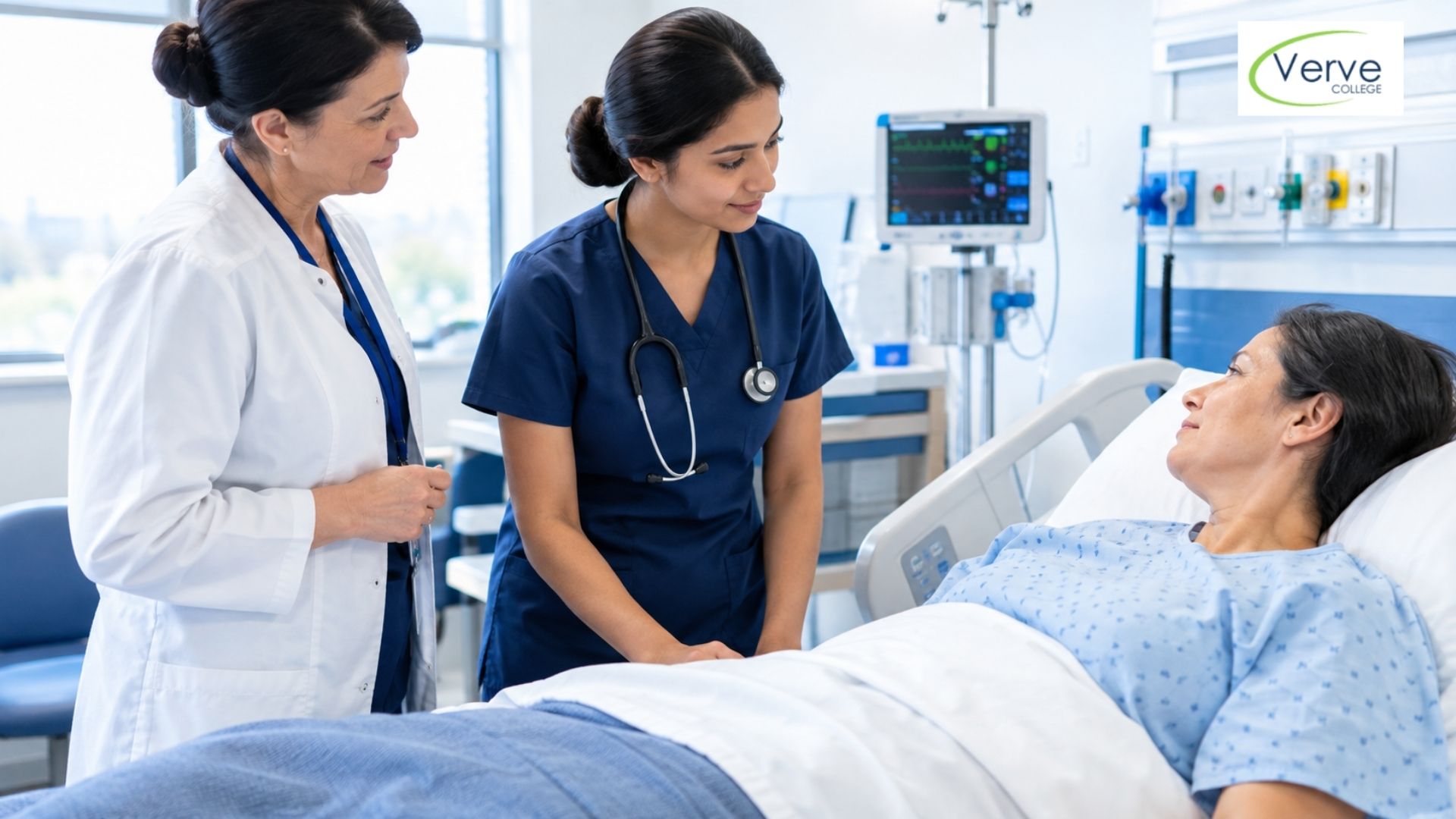
How Practical Nursing Students Build Clinical…
October 14, 2026 Read More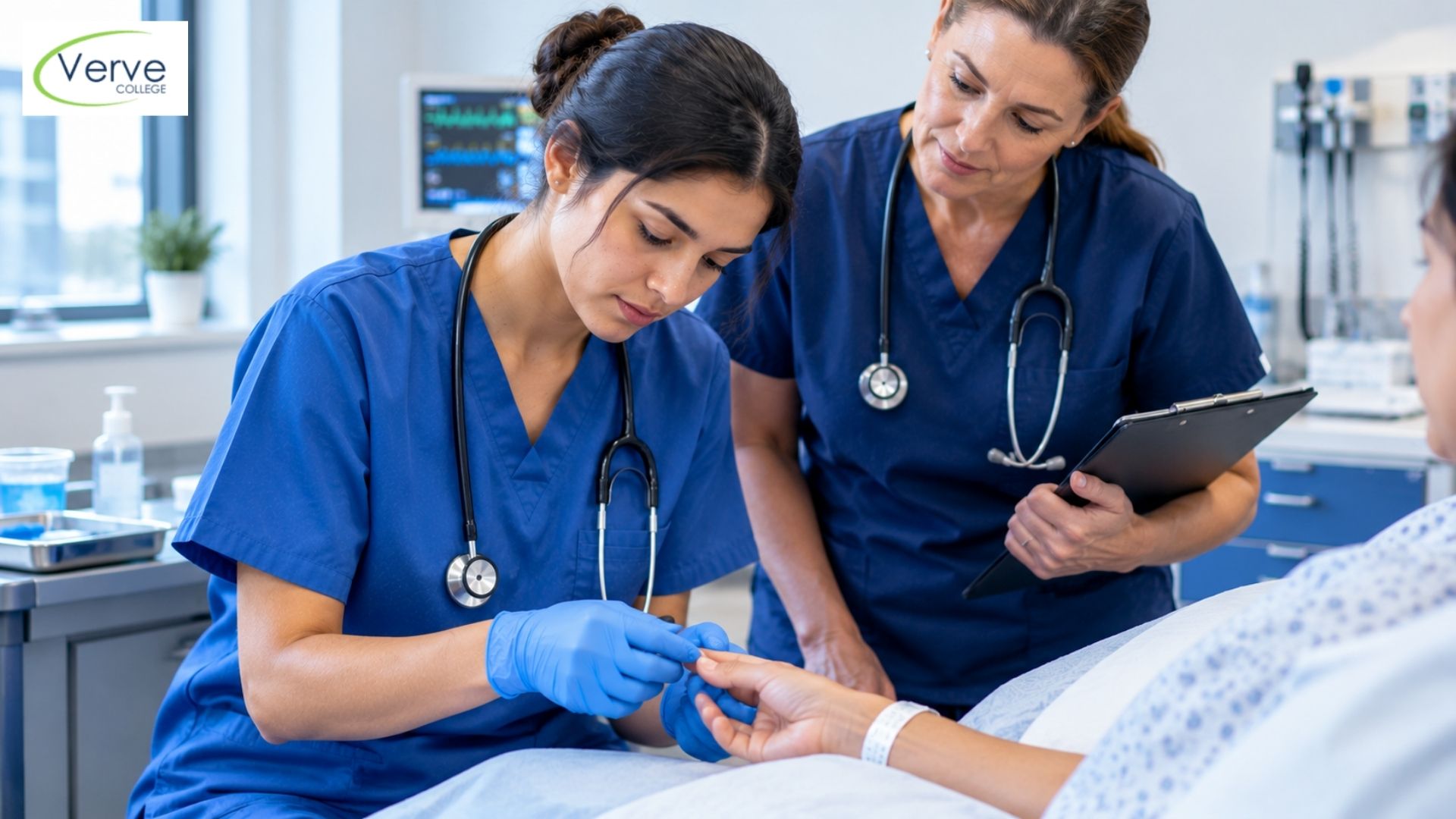
What Is Capillary Refill? A Guide…
October 13, 2026 Read More